

Browse
Culture And Society
Call for Special Issue 2028 - Journal for the History of Knowledge
The Journal for the History of Knowledge features an annual special issue, compiled by guest editors, which explores atheme central to the journal’s scope. The special issues of previous years have been Histories of Bureaucratic Knowledge(2020), Histories of Ignorance (2021), Situated Nature (2022), Entangled Temporalities (2023), Mapping Uncertain Knowledge (2024), and Knowledge and Power: Projecting the Modern World (2025).
We are currently accepting proposals for the 2028 Special Issue. Proposals should contain the following:
A description of the proposed theme (1500-2000 words) highlighting its significance for the history of knowledge
A table of contents (typically 8-12 articles of 8000 words)
Abstracts of the articles
Two-page CVs of the editors; short biographies of the contributors
An outline of the production process up to manuscript submission. All manuscripts must be submitted to thejournal by 1 May 2027.
Please send your proposal to: jhokjournal@gmail.com
Proposal deadline: 1 May 2026
Notification of acceptance: by 15 July 2026
After submission, all manuscripts will go through a process of peer review, author’s revisions, and copy editing. JHoKis a diamond open access journal, at no charge to the authors. The journal will be available in print (on demand) at Brepols Publishers.
Details of the journal’s scope and a full list of the editorial team and advisory editorial board are available on the journal's website.
Contact Email
jhokjournal@gmail.com
URL
https://journalhistoryknowledge.org/announcement/view/317
By:
Aaron Dorner
Thursday, Feb 5, 2026
CULTURE AND SOCIETY
+2

No Preview Available
Leave a comment
Call for Submissions: The Textile Museum Journal Volume 54 2027
CALL FOR SUBMISSIONS
The Textile Museum Journal
Volume 54 2027
The Textile Museum Journal publishes high-quality academic research on the textile arts and serves as an interface between different branches of academia and textile scholars worldwide. International in scope, the journal is devoted to the presentation of scholarly articles concerning the cultural, technical, historical, and aesthetic significance of textiles.
This volume will be dedicated to the untold stories of how museum textile collections come to be and how museums develop identities around their textile collections. Studies centering on the history of individual textile collections, problems inherent in acquiring museum collections, the creation of textile collections, provenance research on collection materials, repatriation of textiles, and identification of forgeries will be considered. Research from all disciplinary perspectives is welcome. Manuscripts should be based on original documentary, analytical, or interpretive research.
Deadline for abstract submissions: April 30, 2026.
Deadline for full manuscript submissions: August 31, 2026.
Manuscripts should be submitted by email to the Editorial Assistant of The Textile Museum Journal at tmjournal@gwu.edu.
For Manuscript Submission and Author Style Guide documents, please visit https://museum.gwu.edu/submit-research
A complete submission includes 5 elements:
Abstract: A single Microsoft Word document (no longer than 250 words) in English with the title of your manuscript accompanied with another Microsoft Word document with sample images (photographs, drawings, diagrams, maps, etc.) and their caption(s).
Bio: A single Microsoft Word document detailing author(s) name, institutional affiliation(s), mailing address(es), telephone number(s), email address(es), and short biography (100 words) of author(s).
Full Manuscript: Microsoft Word document of the main text in English should be double-spaced throughout in 12-point Times Roman typeface. Use endnotes (do not embed) and cite references separately. Manuscripts should be between 5,000 to 10,000 words (including endnotes, captions, and references) and Research Notes should be between 2,000 to 3,000 words.
Image Document: A single Microsoft Word document that combines all photographs, drawings, diagrams, maps, etc. referenced in your manuscript with their accompanying captions. A good rule to follow that helps with a good distribution of images in the manuscript is to use one image for every 400-500 words.
Images Files: All full manuscript submissions must be accompanied by images (one image for every 400-500 words.). Authors will provide high-resolution TIFFs or JPEGs (4 X 6 inches at 300 DPI or preferably higher) and secure all necessary permissions if the manuscript is accepted for publication. Each image should be clearly labeled (e.g., Smith_Fig. 1) and have a corresponding caption that provides identifying information and appropriate image credits in the Image Document.
Please see Manuscript Submission and Author Style Guide documents at https://museum.gwu.edu/submit-research for more details on preparation of these 5 elements.
Any submission that does not conform to The Textile Museum Journal style guidelines will be returned to the author.
Articles must present original research that has not been published in any language previously. Authors must properly credit previous scholarship on the subject and cite the source of each quotation, with brief bibliographic details given in the endnotes and the full bibliographic information in the References section.
All articles are subject to review by the editorial team and anonymous peer-reviewers, whose comments will be sent to the author only if the manuscript is accepted for publication. Authors expected to make revisions based on the feedback of the peer reviewers and editors.
The Textile Museum Journal follows the most recent edition of the Chicago Manual of Style. For further specifications on preparing text and images for publication, see the The Textile Museum Journal Manuscript Submission and Author Style Guide documents (available to download from our website: https://museum.gwu.edu/submit-research).
Contact Info:
Editorial Assistant, The Textile Museum Journal
The George Washington University Museum and The Textile Museum
701 21st Street, NW
Washington, D.C. 20052
E-mail: tmjournal@gwu.edu
Best wishes,
The Textile Museum Journal Editorial Team
Contact Information
The Tetxile Museum Journal Editorial Staff
Contact Email
tmjournal@gwu.edu
URL
https://museum.gwu.edu/textile-museum-journal
By:
Aaron Dorner
Tuesday, Feb 3, 2026
CULTURE AND SOCIETY
+1
No Preview Available
Leave a comment
CFP: Decolonizing Environmental Imaginaries: Climate, Heritage, and the Postcolonial South
Call for Papers
Edited Volume (Brill)
Decolonizing Environmental Imaginaries: Climate, Heritage, and the Postcolonial South
Editors:
Paweł Piszczatowski (Hg.)
Neha Khetrapal (Hg.)
Book series:
Culture – Environment – Society. Humanities and beyond
Publisher: Brill
About the Volume
Recent debates in the environmental humanities — including works by Macarena Gómez-Barris (The Extractive Zone, 2017) and Farhana Sultana (“The Unbearable Heaviness of Climate Coloniality,” Political Geography, 2022) — have made it increasingly clear that climate change, heritage discourses, and environmental imaginaries cannot be understood apart from the colonial legacies of extraction, epistemic exclusion, and uneven modernities.
Postcolonial and decolonial approaches have demonstrated that contemporary ecological crises are inseparable from histories of displacement, enclosure, and structural inequality. Foundational contributions such as Global Ecologies and the Environmental Humanities: Postcolonial Approaches (DeLoughrey, Didur & Carrigan, 2015) and S. Rahman’s “The Environment of South Asia: Beyond Postcolonial Ecocriticism” (South Asian Review, 2021) underscore how environmental thought emerging from the Global South foregrounds questions of justice, mobility, cultural survivance, and more-than-human relationality. Farhana Sultana’s concept of climate coloniality further exposes how ostensibly universal discourses of climate responsibility continue to reproduce geopolitical asymmetries between the Global North and the Global South.
Complementary perspectives from disability studies, feminist theory, and critical heritage studies — for instance Disability Studies and the Environmental Humanities: Toward an Eco-Crip Theory (ed. Sibara & Ray, 2017) — have further expanded this field by interrogating the colonial, ableist, and anthropocentric assumptions embedded in dominant Western notions of the body, resilience, and environmental agency. Together, these frameworks signal a profound epistemic realignment: a shift away from Eurocentric universalism toward plural, situated, and relational ecologies.
This decolonial turn has also gained increasing traction in Central and Eastern European scholarship, which situates local semi-peripheral contexts within broader global debates. Volumes such as Non-Western Approaches in Environmental Humanities (ed. Jarzębowska, Ross, Skonieczny, 2025) contribute to this dialogue by juxtaposing perspectives from Asia, Latin America, and Eastern Europe, asking how environmental thought might evolve once Western modernity is no longer treated as its epistemic center.
This edited volume seeks to extend and deepen these conversations by bringing together contributions that critically examine environmental imaginaries, heritage practices, and climate narratives from postcolonial, decolonial, and semi-peripheral perspectives, with a particular emphasis on the Global South.
Scope and Topics
We invite original contributions that explore the intersections of decolonial critique, environmental imagination, and heritage practices. While the volume places particular emphasis on South Asia, Southeast Asia, Africa, Latin America, and semi-peripheral regions of Europe, comparative and theoretically innovative approaches are especially welcome.
Possible topics include (but are not limited to):
Postcolonial and decolonial approaches to the environmental humanities
Cultural, spiritual, and religious responses to climate change in the Global South
Colonial legacies and epistemic asymmetries in heritage, conservation, and sustainability discourse
Orientalization and Western appropriations of Asian philosophies, religions, and spiritualities
Environmental imaginaries in literature, film, and visual arts from postcolonial contexts
Intersections of religion, ecology, and material heritage (e.g. temple architecture, ritual space, olfactory heritage)
Environmental mobility, migration, displacement, and climate-induced precarity
Indigenous epistemologies and situated ecological knowledges
Feminist, queer, disability-informed, and subaltern ecologies
Comparative ecologies of postcolonial and semi-peripheral modernities
Climate fiction, speculative imaginaries, and narrative strategies of resistance
Submission Guidelines and Timeline
Extended abstracts (700–800 words, in English)
📅 Deadline: February 28, 2026
Authors will be notified of acceptance by March 15, 2026.
Full chapters (approx. 6,000–8,000 words)
📅 Deadline: September 30, 2026
The volume is planned for publiation with Brill in 2027 as part of the Culture – Environment – Society. Humanities and beyond series.
Please submit abstracts together with a short biographical note (approx. 100 words) to:
📧 p.piszczatowski@uw.edu.pl
📧 nkhetrapal@jgu.edu.in
By:
Aaron Dorner
Monday, Jan 26, 2026
CULTURE AND SOCIETY
+1
No Preview Available
Leave a comment
The Alter-Lives of Independence Movements: Frustrated Hopes, Renewed Utopias
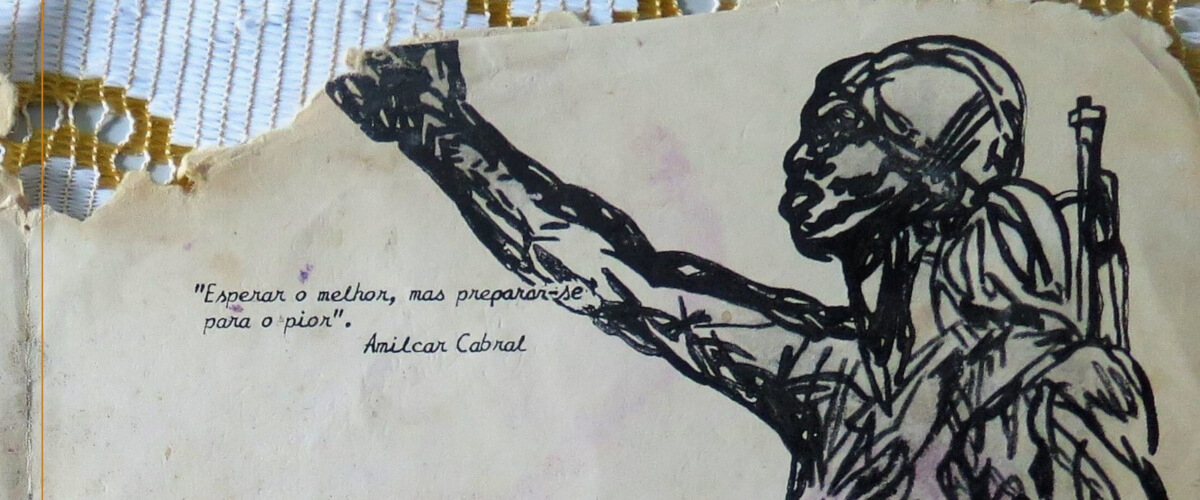
Carmina UntalanLocationPortugalDecades after formal decolonisation, anti-colonialism and anti-imperialism have remained a wellspring of inspiration and contestation. Studies about anticolonial thought, the 1955 Bandung Conference, and transcontinental solidarity movements have proliferated in academia and activist networks, providing the basis of theories and practices of resistance in contemporary times. Nevertheless, the ideas and the movements they inspired did not perish with the epoch that produced them. They evolved and acquired alternative lives in the period of nation-building and world-making, whether in extended or distorted forms. On the one hand, there were local and transnational efforts to sustain and enrich the revolutionary impulse through embracing the anticolonial spirit in various areas such as development, education, and diplomacy. As international institutions such as the UN welcome additional member states, Europeans and non-Europeans travelled to decolonised states like Algeria and Angola to learn and further cultivate ideas in building new societies. On the other hand, some dominant groups that took over the independent states capitalised on the anti-colonial pride to justify authoritarian and anti-democratic rule. Their utopian visions led to the systematic oppression of opposing forces and reproduced the hierarchical international state model. The fear of neocolonialism and disillusionment propelled both the former coloniser and colonised to reorganise their strategies and desires in the face of an emerging world order.
This two-day conference on the alter-lives of independence movements explores the evolution and transformation of anti-colonial and anti-imperial struggles. It focuses on the events and reflections about the early years of independence, a period of turbulent transition from colonial domination to self-governing nation-states, and of tumultuous beginnings of a new international order. We introduce the concept “alter-lives” to denote the process of altering imaginaries and practices that emerged during the colonial period in responding to uncertain futures, including the political uses of anticolonial memories and/or histories. It also refers to alternative relations forged between and among the former colonisers and colonised after independence. Thus, using “alter-lives” as a conceptual ground, this conference engages in the following questions: first, how have anticolonial thinking and practices evolved domestically and transnationally? Second, what were the structural and agential forces behind these evolutions? Third, how were anticolonial memories and histories politicised to achieve certain ends? Fourth, what difficulties did these agents face in realising their envisioned future? Lastly, how have alterations and alternatives affirmed and/or challenged the revolutionary ideas of the independence struggles?
We welcome theoretical and praxis-oriented proposals to gather scholars, activists, and artists from various disciplinary backgrounds and acquire a broad comparative perspective. Possibleareas include, but are not limited to:
Transnational solidarities and resistance, such as North-South and South-South cooperation
Nation-building
Anticolonial thought and figures
Diplomacy and international affairs
Pedagogy and knowledge transmission
Literary and artistic representations, such as documentaries, films, and novels
Rhetorics of failure, frustrated political projects
Please submit your abstract (300 words max.) by 13 February 2026 to jiw.hopesandfears@gmail.com.
Decisions will be communicated by the first week of March 2026.
Contact Email
jiw.hopesandfears@gmail.com
URL
https://ihc.fcsh.unl.pt/en/events/alterlives-independence-movements/?fbclid=IwY…
Attachments
CfP Poster Alterlives
By:
Aaron Dorner
Tuesday, Jan 13, 2026
CULTURE AND SOCIETY
+1
No Preview Available
Leave a comment
Call For Proposals: Virtual Workshop on "Subaltern Transnationalism"
Jon KeuneThis announcement is for a Call for Proposals to participate in an experimental virtual workshop on "Subaltern Transnationalism," which will take place February 26 - March 6, 2026.
As explained in the attached PDF file, we will gather a small group of scholars to discuss ways in which "subaltern" or historically marginalized people developed emancipative possibilities by envisioning themselves as belonging to worlds beyond their immediate locales. Mindful of how the terms "subaltern" and "transnationalism" carry different meanings in different global contexts, we hope that our call invites participants who work on relevant topics even if they do not typically resort to these terms to describe their research.
Scholarship on transnationalism/transregionalism often takes for granted a high degree of financial, social, educational, or political status among participants who can engage the international world reciprocally. In contrast, we view subaltern transnationalism as reflecting marginalized people’s own imagination, agency, and uses of international knowledge according to their limited resources in their local contexts. In these cases, such knowledge may be rooted in partial information, rumor, media fragments, religious networks, political propaganda, or localized interpretations of rhetoric and events from elsewhere, which subaltern groups use to develop social imaginaries that give them hope and new forms of self-understanding. Our anticipated historical scope for the workshop is colonial and early postcolonial periods, but we will consider proposals that speak directly to the theme in other historical periods.
To maximize engagement and feedback among participants, the workshop will have two parts. The asynchronous part will be facilitated through a private website hosting participants' shared materials February 26-March 5, 2025, followed soon after by a 2-hour group Zoom meeting that suits participants' availability and time zones. Work in progress is welcome; a full paper is not required.
Please see the attached PDF file for more details, including how to submit proposals before the January 24 deadline, and how to contact the organizers.
Contact Information
Jon Keune, Associate Professor in Religious Studies, Michigan State University
Surajkumar Thube, Visiting Faculty in Political Science, Ashoka University
Contact Email
subalterntransnationalism@gmail.com
Attachments
CFP & concept note
By:
Aaron Dorner
Tuesday, Jan 13, 2026
CULTURE AND SOCIETY
No Preview Available
Leave a comment
Africa Global Partnership Scholars
In an era where complex global challenges demand collective action, the need for international collaboration and knowledge sharing has never been more critical. Africa Global Partnership Scholars Program (Africa GPS) is a cohort-based program, designed for early to mid-career MSU faculty to create and deepen new scholarly partnerships with collaborators and peer institutions in Africa in support of MSU’s global mission.
PROGRAM OBJECTIVES:
Foster the development of a group of faculty members dedicated to establishing and enhancing international research connections, collaborating on solutions with African partners, and adopting a global perspective in their scholarly work
Support MSU’s 2030 strategic plan goal of discovery, creativity and innovation for excellence and global impact
Connect MSU faculty with potential collaborators and mentors in Africa, expand the scholars' international networks, and offer support for establishing long-lasting collaborations
Heighten global awareness and research dialogue
Elevate the status of MSU’s global mission
Capitalize on opportunities to leverage external resources and form partnerships
ELIGIBILITY FOR APPLICATION
Tenure-stream or fixed term faculty at Michigan State University without prior scholarly experience in Africa are eligible to apply for Africa GPS.
REQUIRED APPLICATION MATERIALS
As part of the application process, the applicant must submit the following materials:
Completed application questionnaire
An up-to-date curriculum vitae (max 4 pages)
A one-page statement that describes your reasons for applying, potential research focus, and if known, the AAP consortium institution and African country of interest for the collaboration. If needed, AAP can help identify the country, mentor and/or the collaboration partner based on the applicant’s interests.
A letter expressing strong support from the Chair/School Director/Dean. The letter should affirm:
The candidate’s international interest, experience, and/or research
The candidate’s strengths as a researcher within the context of unit expectations
The candidate’s proposed project will advance the mission and goals of the academic unit, be supported by the unit, and benefit international partners
Applicants are encouraged to obtain a commitment from their unit or college to provide a 20% cost share. While cost sharing is not required, preference will be given to proposals that include this match.
FUNDING
To facilitate the participation of faculty members selected as Africa GPS Fellows, AAP will provide support for the following:
Up to $10,000 in support of international travel and scholarly collaborations with a researcher and/or mentor at an AAP Consortium member institution. The $10,000 may be used to support the MSU faculty members’ individual travel, collaborative research activities or to bring an African partner to MSU.
Connection with potential collaborators, mentors, and institutions in Africa
Structured workshops on establishing and navigating international partnerships
Financial Guidelines:
The financial support must be expended prior to the end of the program (one year after awarded).
Preference will be given to applicants who provide a 20% match from the applicant’s unit, department or college.
PROGRAM EXPECTATIONS
Africa GPS participants are expected to develop a sustainable collaboration with peer researchers at an AAP consortium institution. As a result, within two years of being selected for the program, the scholar is expected to achieve the following outputs:
A collaborative research paper coauthored with their African collaborator to be submitted for publication.
A concept note of a proposal submitted to a funding agency to sustain the partnership with the African collaborator.
Progress reports submitted every six months to AAP documenting how the collaboration is progressing and any challenges that may have arisen.
Attend program orientation, professional development workshops organized by AAP, and other relevant events as shared by the AAP team.
SELECTION CRITERIA FOR GLOBAL RESEARCH FELLOWS
The criteria below will be utilized to evaluate candidates for their selection to the Africa GPS program:
Commitment Level: Applicants need to show a readiness to dedicate the necessary time to maximize the benefits of the Fellowship year, along with a proven scholarly potential that supports such a commitment.
Research Interest: Candidates should demonstrate a strong commitment to international research and articulate how participation in Africa GPS will contribute to their personal and professional development
Unit Support: Candidates must have strong support from relevant departmental or school and college administrators, indicated by enthusiastic recommendations.
Alignment of Interests: The applicant’s international research interests should align with the Africa GPS’s mission to foster excellence in international research.
Apply here: https://msu.co1.qualtrics.com/jfe/form/SV_bIS1j4JJxUE2voq
SELECTION OF FELLOWS
Application materials will be reviewed by a selection committee in International Studies and Programs. Scholars will be announced by May 2026. Funds must be transferred to selected scholars by June 30, 2026.
If you have any questions, please contact Justin Rabineau at: rabinea1@msu.edu
By:
Justin Rabineau
Monday, Mar 9, 2026
AGRI-FOOD SYSTEMS
+6

Leave a comment
AAP Global Engagement Fund Support Arts-Based Youth Research and Engagement
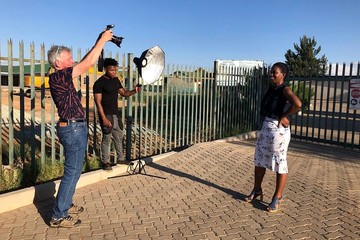
When photographer and educator Prof. Peter Glendinning of Michigan State University returned to South Africa this September, his goal went far beyond presenting artwork. Supported by the Alliance for African Partnership (AAP) Global Engagement Fund (GEF), Glendinning traveled to Johannesburg and Cape Town to advance a collaborative, arts-driven research initiative that is reshaping how youth experiences are documented and understood across Africa. For years, Glendinning has been developing Attached to the Soil, a project that pairs portrait photography with metaphor and narrative to explore young people’s aspirations, challenges, and identities. What began as a 2019 Fulbright project in South Africa has evolved—through sustained partnership—into a model for how the arts can generate meaningful social insight. This work aligns directly with AAP’s culture & society priority area, which supports projects that use cultural expression to address complex societal issues.
Strengthening a Continental Research Partnership
During his visit, Glendinning met with partners at University of Pretoria, one of AAP’s 12 member institutions, including Prof. Zitha Mokomane, a professor in the Department of Sociology and Deputy Dean for Teaching and Learning in the Faculty of Humanities, who has been conducting sociological analysis of the project’s original youth-created images and stories. The findings point to recurring themes: belonging, hope, fear, opportunity, and the persistence of socio-economic barriers.
With support from the Global Engagement Fund, the partners spent their time together outlining the next phase of the work—a potential 2027 pan-African expansion that could engage youth from multiple institutions and countries. The goal is to create one of the most comprehensive collections of narrative and visual data on African youth aspirations to date.
“The dataset we envision would allow us to compare experiences across countries, contexts, and cultures, using the arts as a bridge,” Glendinning explained. The in-person meetings made possible by the GEF award were essential for refining the research design, establishing a shared methodological framework, and preparing for future proposal development.
Cultural Institutions as Crucial Partners
Glendinning’s work emphasizes not only the creation of new cultural materials but also the preservation of Africa’s photographic heritage. While in Johannesburg, he met with leaders at the Bensusan Museum of Photography to advance efforts to secure funding for preserving its internationally significant collection of historic photographic equipment and images. He also held discussions at the Nelson Mandela Foundation, which held an 8-month exhibit of the project in 2023, exploring how youth-generated narratives from Attached to the Soil could contribute to public memory and civic learning through the foundation’s ongoing partnership. These engagements expand the project’s reach beyond academia and into community and heritage spaces—an approach deeply aligned with AAP’s focus on research for broader impact.
Festival Participation Amplifies Youth Perspectives
Glendinning’s work also reached public audiences during the inaugural Cape Town Photography Festival, where Attached to the Soil opened as an exhibition at the Simon’s Town Museum. The festival setting provided a platform for deeper conversation around the project’s themes. During a public dialogue, Glendinning and Malissa Louw, one of the original participants, spoke about the creative process and the realities behind the images—drawing attention to the power of youth storytelling as a form of social documentation.
He also led two workshops: a digital photography master-class for community members and a session for 40 students at the Cape Peninsula University of Technology. Both emphasized photography as a tool for reflection, empowerment, and evidence-gathering—illustrating how artistic training can support community insight and youth leadership.
A Model for Arts-Driven, Partnership-Based Research
Following the festival, Glendinning continued planning with Prof. Mokomane during her September visit to Michigan State University, which was also supported by the GEF. Together, they are refining the concept for the multi-country expansion and identifying ways for AAP partners to contribute to the next phase.
For AAP, Glendinning’s and project and his partnership with Mokomane exemplify the role arts and culture can play in addressing societal challenges: by elevating local narratives, strengthening community connections, and deepening understanding across diverse contexts. The Global Engagement Fund is central to this impact—making it possible for faculty like Glendinning to build the relationships and shared vision that long-term, equitable partnerships require.
As plans move forward, Attached to the Soil will offer youth across the continent the chance to tell their stories—and help researchers, educators, and communities better understand the world through their eyes.
By:
Baboki Gaolaolwe-Major
Monday, Dec 15, 2025
CULTURE AND SOCIETY
+2
Leave a comment
AAP Steps Up Its Global Footprint at Falling Walls 2025
The Alliance for African Partnership (AAP) strengthened its global visibility this year with a significantly expanded presence at the Falling Walls Summit in Berlin, signaling a new phase in Africa’s engagement with one of the world’s leading platforms for science, innovation, and societal impact.
The momentum follows a fast-growing collaboration between AAP and the Falling Walls Foundation, an alliance that has already produced tangible results. LUANAR in Malawi became the first institution in the consortium to launch a combined Falling Walls Engage and Lab, followed by the University of Botswana, which introduced the Gaborone Lab in 2025 and is preparing to roll out the Engage program in 2026. For AAP, these developments are more than individual wins: they mark the beginning of a wider rollout across the consortium, designed to strengthen research communication and create a more connected science engagement ecosystem across Africa.
At this year’s Summit, AAP member universities made their strongest showing yet. Lab winners from LUANAR and the University of Botswana took the stage in Berlin, showcasing African innovation to an international audience of scientists, investors, policymakers, and global media. Senior leaders from across the consortium also attended, led by Michigan State University’s Vice-Provost for International Studies and Programs, Professor Titus Awokuse.
During the delegation meeting with Falling Walls’ Executive Director, Andreas Kosmider, there was clear enthusiasm about the trajectory of the partnership. Discussions focused on deepening African participation in next year’s Summit and widening the circle of collaborators to include government ministries, policymakers, and funding agencies, an effort aimed at opening new channels for African–German cooperation.
For AAP, the stakes are high. Strengthening research communication equips young African scientists to tell their stories compellingly, improving public understanding and increasing the influence of research on policy. The Labs, meanwhile, function as early-stage innovation pipelines, giving African entrepreneurs exposure, mentorship, and a global platform for emerging ideas. The partnership also enhances institutional visibility, positioning African universities as active players in global science diplomacy.
Planning has already begun for next year’s Summit, with AAP leaders working on a coordinated roadmap to ensure a more visible and more diverse African presence in 2026. The goal is not simply to attend, but to shape the agenda by bringing African voices, research, and innovation to the centre of the global conversation.
As AAP expands its Falling Walls footprint, the partnership is beginning to look less like a program and more like an ecosystem-building catalyst. It is strengthening the consortium internally, opening new possibilities externally, and giving African researchers and innovators a much-needed global stage. And if the early signs are anything to go by, the walls separating African science from global visibility are starting to crack, making space for a new era of collaboration and opportunity.
By:
Baboki Gaolaolwe-Major
Thursday, Dec 11, 2025
CULTURE AND SOCIETY
+3
Leave a comment
Culture in collaboration: repurposing folklore for youth empowerment
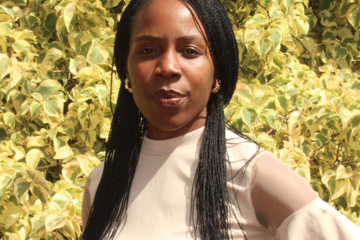
Africa, particularly Nigeria, has a teeming young population who attempt to creatively navigate rapidly shifting identities within an unstable economy. For them, storytelling becomes a powerful tool through which sense is made of their place in the world. My research on folklore reimagination interrogates how traditional narratives are transformed into contemporary artistic endeavour that reflect the social realities of the youth. Folklore reimagination thus becomes an avenue for skill acquisition and empowerment in a society plagued with mismanaged resources and youth unemployment. By perceiving folklore as a living resource rather than a mere relic of the past, my research attempts to revive cultural heritage into digital content for the screen, constituting a source of self-employment for young creatives. In addition to addressing SDG number 8 – decent work and economic growth, this research fosters partnerships between culture and performance, youth and communities, tradition and modernity, and between local narratives and a global audience, offering education opportunities and reduced poverty. The research goal is to develop a toolkit which serves as both a learning and teaching aid for students and teachers of creative writing, further resonating with SDG number 4. Besides offering a platform for creativity and skills acquisition leading to self-employment, this research provides a model for a cultural engagement that is rooted in heritage preservation, shared creativity, collaboration and mutual respect. The research, which began in 2022, is divided into three distinct phases – toolkit draft, evaluation and update. Phase one involves the draft of the toolkit, which is divided into 5 parts and provides ethical insights and guidelines on working with folklore from the point of collection until reimagination. Offering mostly a theoretical guide, this phase is completed, and phase two is in progress. Phase two demands working closely with student writers to test the toolkit draft. Through a close collaboration with my students, aspects of the toolkit are currently being tested for effectiveness. Through feedback provided by the students, the toolkit will be updated with practical guides and sample scenarios. Further updates are expected following curated workshops, writers’ conference and creative labs. The creation of this toolkit resonates with the theme for this newsletter - art in partnership. Currently under the mentorship of Dr Jeff Wray of Michigan State University and Professor Chinenye Amonyeze of University of Nigeria, this research highlights that art, generally and folklore in particular, is not just a memory of set time in history, but a flexible material that can be reshaped into performances and creative narratives with social and economic value, while fostering partnerships driven by art. Folklore reimagination is, at its heart, an art of cultural partnership which depends on collaborations between researchers and creatives. By centring youths as creative agents, it leverages heritage to build skills, empowerment and self-employment. In this partnership, cultural memory is perceived and treated as a resource for innovation and economic growth. This art of partnership is therefore a sustainable one built on shared stories – stories that bear identities shaped by the past, present and future.
By:
Baboki Gaolaolwe-Major
Thursday, Dec 11, 2025
CULTURE AND SOCIETY
+1
Leave a comment
2025 AAP Consortium Delegates Welcomed in Classic Warm Heart of Africa Style
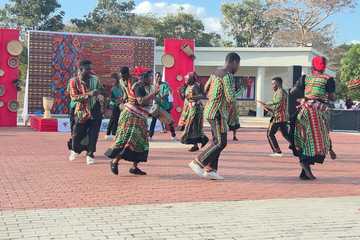
Delegates to the AAP Consortium Meeting in Malawi were welcomed with a vibrant cultural reception on the afternoon of Sunday, June 8, 2025, at the Bingu International Convention Centre (BICC) Amphitheatre. The event offered a rich immersion into Malawi’s cultural heritage, from traditional dances that transported participants across the country, to rhythmic music echoing tales of generations past, complemented by a curated selection of local foods and beverages. Set in the warmth of Malawian hospitality, the reception also featured interactive activities celebrating African cultural diversity through language games and cultural lightning talks.
Reception Planning
The reception was carefully designed to celebrate cultural identity and diversity while ensuring an enjoyable and memorable experience for all attendees. Preparations began with identifying local performance groups whose artistry authentically reflects the Malawian cultural brand. Consultations with selected groups ensured a thoughtful balance of energetic and soothing performances suited to a diverse audience, ultimately creating a programme that offered a cultural tour of Malawi through music and dance. Organisers also coordinated with the hosting hotel to incorporate Malawian cuisine on the cocktail menu, showcasing the country’s culinary heritage. With the performances and menu in place, the reception hosts curated additional interactive activities to promote cultural exchange and engagement among delegates.
Performances
The Malawi National Dance Ensemble, popularly known as the Kwacha Cultural Troupe, headlined the afternoon. Established in 1987, the renowned 30-member troupe delivered a captivating sequence of traditional dances representing Malawi’s regions. Their repertoire included Beni, Chimtali, Chisamba, Chiterera, Mjedza, Malipenga, Ingoma, Mganda, Vimbuza, and Gule Wamkulu—the iconic masked dance of the Chewa people. Adding to the ambiance, Owen Mbilizi and his team offered a rich musical experience featuring original compositions and Malawian classics, blending skilled instrumentation with harmonious vocals. Delegates responded with enthusiastic applause and cheers throughout the performances.
Local Foods
Participants enjoyed an assortment of local delicacies, including mandazi, zitumbuwa (banana fritters), malambe (baobab) juice, and thobwa (sweet beer), alongside familiar continental snacks. The refreshment break provided an informal space for delegates to mingle, exchange reflections, and deepen their appreciation of the cultural showcase.
Significance
The cultural reception successfully highlighted Malawi’s artistic and culinary traditions while fostering a shared appreciation for cultural diversity among delegates. It was an afternoon filled with warmth, laughter, and a strong sense of community, the perfect icebreaker for the week’s engagements.
By:
Baboki Gaolaolwe-Major
Tuesday, Dec 9, 2025
CULTURE AND SOCIETY
+1
Leave a comment
From Lens to Learning: Alex Mkwizu’s Transformative MSU Journey
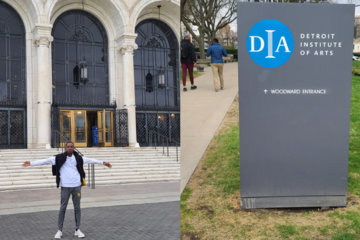
When Ibn Battutah said, “Traveling—it leaves you speechless, then turns you into a storyteller,” in his famous volumes Travels of Ibn Battutah, little did I know how profoundly this wisdom would echo throughout my eight-day experience at Michigan State University (MSU), East Lansing. I had the honor of attending as the overall winner of the InVision Africa Photography Competition, curated and sponsored by the Alliance for African Partnerships. This MSU initiative champions collaboration with African universities in art, culture, language, and other fields.
My time at MSU was eye-opening, filled with warm introductions to professors and artists. I met Professor Peter Glendinning from the Kresge Art Center, whose expertise in photography was inspiring; Professor Susan Wyche, who specializes in Human-Computer Interaction (HCI); and Mr Vadu Rodrigues, a Master of Fine Arts candidate, from whom I learned how his personal influences shaped his narrative and storytelling in photography. I also met many other colleagues, learning from their diverse experiences and creative processes.
These key encounters with experts and practitioners across different artistic disciplines opened doors for me to continue exploring, collaborating, and discovering new opportunities as a multidisciplinary creative artist passionate about the intersection of data, technology, and human-centered storytelling.
One of the most memorable encounters was with Professor Peter Glendinning and his body of work Attached to the Soil, a brilliant photographic project consisting of fifty portraits, oral history-based stories, and metaphoric representations of South African youth. He shared fascinating insights into his process, including an old, rare tool he once used to achieve a stroboscopic effect before the era of advanced cameras and editing software. What stood out most to me was that each photograph’s story was told from the perspective of the subject themselves, a powerful approach to narrative photography.
Another remarkable interaction was with Mr. Vadu Rodrigues and his artistic initiative Positive Africa, which seeks to challenge negative and biased narratives about Africa through photography and other art forms. Spending time with him in his studio was deeply insightful. I admired his practice of carrying a small notebook to document daily experiences and visual ideas that later influence his creative work. Observing his process from conceptualization to a finished art piece was a masterclass in intentional storytelling.
The culmination of this experience profoundly influenced my growth as a creative technologist and multidisciplinary artist. It also opened new doors for collaboration, one of which came through the MSU Museum CoLab Studio. I learned about a call for artists to create a piece exploring AI singularity in all its forms. Having subscribed to the studio’s newsletter, I received the announcement and decided to apply with a concept for a Virtual Reality immersive experience: a VR tribunal where sentient AIs bring cases against humans. Participants take the role of the defendant, while a generative AI judge, UbuntuBot, presides, modelled on African communal justice systems. The project merges storytelling, ethics, and digital futures.
As the old proverb goes, “Luck is when opportunity meets preparedness.” Fortunately, I was selected as one of the artists to collaborate with the MSU CoLab Studio, supported by a seed grant to bring this piece to life and exhibit it at the MSU Museum.
While the journey has only just begun with MSU Art Community, the experience with the Invision Africa Photography Competition and the exposure and connections made within MSU’s artistic community have left a lasting and transformative impact. It will continue to shape my creative path and remain a defining part of my artistic journey.
By:
Baboki Gaolaolwe-Major
Tuesday, Dec 9, 2025
CULTURE AND SOCIETY
+1
Leave a comment
Celebrating The Role of Art and Creativity in Shaping Global Partnerships
Photo by: Cris Dopher.
The arts represent the most imaginative and creative form of expression, integral to the civilizational progress of communities worldwide. In Uganda, an East African country where I originate, the arts are embodied and lived through music, dance, theatre, poetry, storytelling, folktales, and other forms of artistic engagement. The cultural, historical, social, and political meanings are etched in the art forms of the people. The arts are evolutionary and revolutionary, depicting the changes and continuities, and instigating shifts in the lived experiences of communities.
The arts have demonstrated their value in fostering community transformation across histories and territories. In Africa, the role of the arts has evolved in tandem with sociocultural, political, and economic changes in communities. The arts have offered platforms to sensitize communities around ever-emerging challenges, such as disease, climate change, conflicts, forced migration, gender-based violence, poverty, and cultural differences, among others. The functions of the arts have transcended stage performances and entertainment. Communities have deployed their creative and artistic potential to explore local solutions to prevailing problems. Within international development discourse on Africa, there is talk about ‘Africa finding local solutions to African problems’. Arts-oriented interventions that communities have applied and sustained offer a rubric on how communities in Africa can develop and implement sustainable and cost-effective solutions to local challenges.
The migratory and borderless natures of the creative arts, and their distinctiveness as a universal language, position them strategically to mediate differences, heal broken communities, quell tensions, and pluralize perspectives. The transnational and transcultural nature of the creative arts is evident in how they are constituted by cross-pollination of diverse cultural traditions, stories, and orthodoxies. The art forms are reinvented and reimagined at the intersection of other existing artistic practices. The aspect of embodiment that gives the arts their true meaning and essence centers people, as bearers of practices, meanings, and knowledge.
The global flow of art forms stems from local innovations. The being of the global dimension of the creative arts is rooted in their local value. Art proliferates by diffusion. The notion of art being born of people’s imaginaries enables its adaptation, assimilation, transcendence, and permeation across localities and contexts. Across Africa, the Black Diaspora, and global indigeneity, the commonalities between the arts demonstrate their universal reach, underscoring histories of migration, cultural connections, and intercultural interfaces.
Scholarship, practice, and research are media through which the arts have found expressions in transboundary contexts. In the realm of scholarship, collaborative research in the creative arts has increased, generating rich and diverse knowledge that has improved the human condition. The mobility of scholars and researchers between cultures and nationalities has augmented the exchange of expertise and circulation of artistic and cultural ideas and practices.
My current tenure as an African Futures Fellow at Michigan State University under the auspices of the Alliance for African Fellowship (AAP) is testimony to how the creative arts and artists can support global partnerships through scholarship and research. As a dance studies scholar at Makerere University in Uganda, East Africa, the program has supported me to connect with scholars at MSU and the US; co-write articles for publications; present at conferences; collaborate on artistic works with communities; and partner with researchers on ideation, incubation, writing, and submission of research grant ideas. Such engagements have facilitated the convergence of ideas, cultures, and people. My story represents a myriad of scholars who are leveraging the scholarly prowess of the creative arts to dissolve boundaries and dismantle barriers.
The arts have accelerated global partnerships through joint performances and collaborative creative processes. Worldwide, concerts, festivals, competitions, showcases, and productions have facilitated exchanges between artists, communities, artistic works, and audiences, and have supported the mobilization of resources through fundraising to care for those in need. The arts have been the heartbeat of globalization. Through exposure to different artistic forms, communities have peeked into cultures beyond their own. The creative arts carry a unique ability to communicate across generations, demographics, cultures, and geographies. Communities across the globe have united through the creative arts to draw attention to and amplify the voices of the oppressed.
The emergence of innovative technologies and platforms has empowered creatives worldwide to access wider audiences and listenership. Technology has democratized access and consumption of creative artworks globally. For Africa, the innovative platforms have enabled people to tell their own stories and confront stereotypical views through artistic and cultural products. Global business collaborations have emerged, resulting from the potential for the creative arts to circulate as commercially valuable products.
The creative arts possess inherent power to unite people across divides. As the world confronts challenges of conflicts, climate change, food insecurity, natural disasters, disease, social injustices, forced labour, and human trafficking, among others, the arts will continue to take center stage as strategic tools through which global communities can partner to find solutions to these problems. The creative arts have always been the heart that gives and receives.
By:
Baboki Gaolaolwe-Major
Thursday, Dec 11, 2025
CULTURE AND SOCIETY


Leave a comment