

Browse
Youth Empowerment
AAP Steps Up Its Global Footprint at Falling Walls 2025
The Alliance for African Partnership (AAP) strengthened its global visibility this year with a significantly expanded presence at the Falling Walls Summit in Berlin, signaling a new phase in Africa’s engagement with one of the world’s leading platforms for science, innovation, and societal impact.
The momentum follows a fast-growing collaboration between AAP and the Falling Walls Foundation, an alliance that has already produced tangible results. LUANAR in Malawi became the first institution in the consortium to launch a combined Falling Walls Engage and Lab, followed by the University of Botswana, which introduced the Gaborone Lab in 2025 and is preparing to roll out the Engage program in 2026. For AAP, these developments are more than individual wins: they mark the beginning of a wider rollout across the consortium, designed to strengthen research communication and create a more connected science engagement ecosystem across Africa.
At this year’s Summit, AAP member universities made their strongest showing yet. Lab winners from LUANAR and the University of Botswana took the stage in Berlin, showcasing African innovation to an international audience of scientists, investors, policymakers, and global media. Senior leaders from across the consortium also attended, led by Michigan State University’s Vice-Provost for International Studies and Programs, Professor Titus Awokuse.
During the delegation meeting with Falling Walls’ Executive Director, Andreas Kosmider, there was clear enthusiasm about the trajectory of the partnership. Discussions focused on deepening African participation in next year’s Summit and widening the circle of collaborators to include government ministries, policymakers, and funding agencies, an effort aimed at opening new channels for African–German cooperation.
For AAP, the stakes are high. Strengthening research communication equips young African scientists to tell their stories compellingly, improving public understanding and increasing the influence of research on policy. The Labs, meanwhile, function as early-stage innovation pipelines, giving African entrepreneurs exposure, mentorship, and a global platform for emerging ideas. The partnership also enhances institutional visibility, positioning African universities as active players in global science diplomacy.
Planning has already begun for next year’s Summit, with AAP leaders working on a coordinated roadmap to ensure a more visible and more diverse African presence in 2026. The goal is not simply to attend, but to shape the agenda by bringing African voices, research, and innovation to the centre of the global conversation.
As AAP expands its Falling Walls footprint, the partnership is beginning to look less like a program and more like an ecosystem-building catalyst. It is strengthening the consortium internally, opening new possibilities externally, and giving African researchers and innovators a much-needed global stage. And if the early signs are anything to go by, the walls separating African science from global visibility are starting to crack, making space for a new era of collaboration and opportunity.
By:
Baboki Gaolaolwe-Major
Thursday, Dec 11, 2025
CULTURE AND SOCIETY
+3

Leave a comment
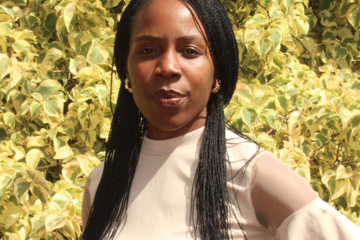
Culture in collaboration: repurposing folklore for youth empowerment
Africa, particularly Nigeria, has a teeming young population who attempt to creatively navigate rapidly shifting identities within an unstable economy. For them, storytelling becomes a powerful tool through which sense is made of their place in the world. My research on folklore reimagination interrogates how traditional narratives are transformed into contemporary artistic endeavour that reflect the social realities of the youth. Folklore reimagination thus becomes an avenue for skill acquisition and empowerment in a society plagued with mismanaged resources and youth unemployment. By perceiving folklore as a living resource rather than a mere relic of the past, my research attempts to revive cultural heritage into digital content for the screen, constituting a source of self-employment for young creatives. In addition to addressing SDG number 8 – decent work and economic growth, this research fosters partnerships between culture and performance, youth and communities, tradition and modernity, and between local narratives and a global audience, offering education opportunities and reduced poverty. The research goal is to develop a toolkit which serves as both a learning and teaching aid for students and teachers of creative writing, further resonating with SDG number 4. Besides offering a platform for creativity and skills acquisition leading to self-employment, this research provides a model for a cultural engagement that is rooted in heritage preservation, shared creativity, collaboration and mutual respect. The research, which began in 2022, is divided into three distinct phases – toolkit draft, evaluation and update. Phase one involves the draft of the toolkit, which is divided into 5 parts and provides ethical insights and guidelines on working with folklore from the point of collection until reimagination. Offering mostly a theoretical guide, this phase is completed, and phase two is in progress. Phase two demands working closely with student writers to test the toolkit draft. Through a close collaboration with my students, aspects of the toolkit are currently being tested for effectiveness. Through feedback provided by the students, the toolkit will be updated with practical guides and sample scenarios. Further updates are expected following curated workshops, writers’ conference and creative labs. The creation of this toolkit resonates with the theme for this newsletter - art in partnership. Currently under the mentorship of Dr Jeff Wray of Michigan State University and Professor Chinenye Amonyeze of University of Nigeria, this research highlights that art, generally and folklore in particular, is not just a memory of set time in history, but a flexible material that can be reshaped into performances and creative narratives with social and economic value, while fostering partnerships driven by art. Folklore reimagination is, at its heart, an art of cultural partnership which depends on collaborations between researchers and creatives. By centring youths as creative agents, it leverages heritage to build skills, empowerment and self-employment. In this partnership, cultural memory is perceived and treated as a resource for innovation and economic growth. This art of partnership is therefore a sustainable one built on shared stories – stories that bear identities shaped by the past, present and future.
By:
Baboki Gaolaolwe-Major
Thursday, Dec 11, 2025
CULTURE AND SOCIETY
+1
Leave a comment
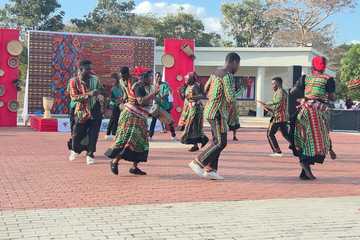
2025 AAP Consortium Delegates Welcomed in Classic Warm Heart of Africa Style
Delegates to the AAP Consortium Meeting in Malawi were welcomed with a vibrant cultural reception on the afternoon of Sunday, June 8, 2025, at the Bingu International Convention Centre (BICC) Amphitheatre. The event offered a rich immersion into Malawi’s cultural heritage, from traditional dances that transported participants across the country, to rhythmic music echoing tales of generations past, complemented by a curated selection of local foods and beverages. Set in the warmth of Malawian hospitality, the reception also featured interactive activities celebrating African cultural diversity through language games and cultural lightning talks.
Reception Planning
The reception was carefully designed to celebrate cultural identity and diversity while ensuring an enjoyable and memorable experience for all attendees. Preparations began with identifying local performance groups whose artistry authentically reflects the Malawian cultural brand. Consultations with selected groups ensured a thoughtful balance of energetic and soothing performances suited to a diverse audience, ultimately creating a programme that offered a cultural tour of Malawi through music and dance. Organisers also coordinated with the hosting hotel to incorporate Malawian cuisine on the cocktail menu, showcasing the country’s culinary heritage. With the performances and menu in place, the reception hosts curated additional interactive activities to promote cultural exchange and engagement among delegates.
Performances
The Malawi National Dance Ensemble, popularly known as the Kwacha Cultural Troupe, headlined the afternoon. Established in 1987, the renowned 30-member troupe delivered a captivating sequence of traditional dances representing Malawi’s regions. Their repertoire included Beni, Chimtali, Chisamba, Chiterera, Mjedza, Malipenga, Ingoma, Mganda, Vimbuza, and Gule Wamkulu—the iconic masked dance of the Chewa people. Adding to the ambiance, Owen Mbilizi and his team offered a rich musical experience featuring original compositions and Malawian classics, blending skilled instrumentation with harmonious vocals. Delegates responded with enthusiastic applause and cheers throughout the performances.
Local Foods
Participants enjoyed an assortment of local delicacies, including mandazi, zitumbuwa (banana fritters), malambe (baobab) juice, and thobwa (sweet beer), alongside familiar continental snacks. The refreshment break provided an informal space for delegates to mingle, exchange reflections, and deepen their appreciation of the cultural showcase.
Significance
The cultural reception successfully highlighted Malawi’s artistic and culinary traditions while fostering a shared appreciation for cultural diversity among delegates. It was an afternoon filled with warmth, laughter, and a strong sense of community, the perfect icebreaker for the week’s engagements.
By:
Baboki Gaolaolwe-Major
Tuesday, Dec 9, 2025
CULTURE AND SOCIETY
+1
Leave a comment
From Lens to Learning: Alex Mkwizu’s Transformative MSU Journey
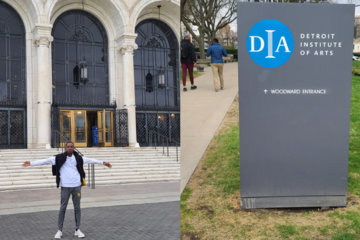
When Ibn Battutah said, “Traveling—it leaves you speechless, then turns you into a storyteller,” in his famous volumes Travels of Ibn Battutah, little did I know how profoundly this wisdom would echo throughout my eight-day experience at Michigan State University (MSU), East Lansing. I had the honor of attending as the overall winner of the InVision Africa Photography Competition, curated and sponsored by the Alliance for African Partnerships. This MSU initiative champions collaboration with African universities in art, culture, language, and other fields.
My time at MSU was eye-opening, filled with warm introductions to professors and artists. I met Professor Peter Glendinning from the Kresge Art Center, whose expertise in photography was inspiring; Professor Susan Wyche, who specializes in Human-Computer Interaction (HCI); and Mr Vadu Rodrigues, a Master of Fine Arts candidate, from whom I learned how his personal influences shaped his narrative and storytelling in photography. I also met many other colleagues, learning from their diverse experiences and creative processes.
These key encounters with experts and practitioners across different artistic disciplines opened doors for me to continue exploring, collaborating, and discovering new opportunities as a multidisciplinary creative artist passionate about the intersection of data, technology, and human-centered storytelling.
One of the most memorable encounters was with Professor Peter Glendinning and his body of work Attached to the Soil, a brilliant photographic project consisting of fifty portraits, oral history-based stories, and metaphoric representations of South African youth. He shared fascinating insights into his process, including an old, rare tool he once used to achieve a stroboscopic effect before the era of advanced cameras and editing software. What stood out most to me was that each photograph’s story was told from the perspective of the subject themselves, a powerful approach to narrative photography.
Another remarkable interaction was with Mr. Vadu Rodrigues and his artistic initiative Positive Africa, which seeks to challenge negative and biased narratives about Africa through photography and other art forms. Spending time with him in his studio was deeply insightful. I admired his practice of carrying a small notebook to document daily experiences and visual ideas that later influence his creative work. Observing his process from conceptualization to a finished art piece was a masterclass in intentional storytelling.
The culmination of this experience profoundly influenced my growth as a creative technologist and multidisciplinary artist. It also opened new doors for collaboration, one of which came through the MSU Museum CoLab Studio. I learned about a call for artists to create a piece exploring AI singularity in all its forms. Having subscribed to the studio’s newsletter, I received the announcement and decided to apply with a concept for a Virtual Reality immersive experience: a VR tribunal where sentient AIs bring cases against humans. Participants take the role of the defendant, while a generative AI judge, UbuntuBot, presides, modelled on African communal justice systems. The project merges storytelling, ethics, and digital futures.
As the old proverb goes, “Luck is when opportunity meets preparedness.” Fortunately, I was selected as one of the artists to collaborate with the MSU CoLab Studio, supported by a seed grant to bring this piece to life and exhibit it at the MSU Museum.
While the journey has only just begun with MSU Art Community, the experience with the Invision Africa Photography Competition and the exposure and connections made within MSU’s artistic community have left a lasting and transformative impact. It will continue to shape my creative path and remain a defining part of my artistic journey.
By:
Baboki Gaolaolwe-Major
Tuesday, Dec 9, 2025
CULTURE AND SOCIETY
+1
Leave a comment
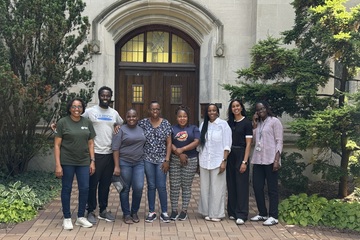
African Futures Cohort 5 Arrives at MSU
Alliance for African Partnership (AAP), a consortium of ten leading African universities, Michigan State University (MSU), and a network of African research institutes, is excited to welcome the fifth cohort of the African Futures Research Leadership Program to MSU for the in-person portion of the program. Each early career scholar is paired with a faculty mentor from MSU and their home institution for one year of virtual and in-person collaboration to strengthen research skills, innovations in teaching, writing of scholarly and/or policy publications, dissemination of research results and grant proposals.
A consortium-wide initiative, the African Futures program is designed to strengthen the capacity of a cadre of African researchers to return to their home institutions and become scientific leaders in their community, establish long-term partnerships with MSU faculty, co-create innovative solutions to Africa’s challenges, and in turn become trainers of the next generation of researchers.
African Futures Cohort 5: Alfdaniels Mabingo Performing Arts and Film Makerere University Home Mentor - Sylvia Antonia Nakimera Nannyonga-Tamusuza, Dept of Performing Arts and FilmMSU Mentor – Philip Effiong, Dept of English, Theater Studies & Humanities & Gianina Strother, Dept of African American and African Studies Gladys Gakenia Njoroge Pharmacy Practice and Public Health United States International University – Africa Home Mentor - Calvin A. Omolo, Dept of Pharmacy Practice and Public HealthMSU Mentor - Yuehua Cui, Dept of Statistics and Probability Seynabou Sene Plant Biology University Cheikh Anna Diop Home Mentor - Abdala Gamby Diedhiou, Dept of Plan BiologyMSU Mentor - Lisa Tiemann, Dept of Plant, Soil, and Microbial Sciences Portia T. Loeto Educational Foundations (Gender Studies Section) University of Botswana Home Mentor - Godi Mookode, Dept of SociologyMSU Mentor - Soma Chauduri, Dept of Sociology Betina Lukwambe Aquaculture Technology University of Dar es Salaam Home Mentor – Samwel Mchele Limbu, Dept of AquacultureMSU Mentor - Abigail Bennett, Dept of Fisheries and Wildlife & Maria Claudia Lopez, Dept of Community Sustainability Assilah Agigi Business Management University of PretoriaHome Mentor - Alex Antonites, Dept of Business Management MSU Mentor - Sriram Narayanan, Dept of Supply Chain Management Miriam Nthenya Kyule Agricultural Education and Extension Egerton University Home Mentor - Miriam Karwitha Charimbu, Dept of Crops, Horticulture and Soils MSU Mentor - Susan Wyche, Dept of Media and Information Studies Asha Nalunga Agribusiness and Natural Resource Economics Makerere University Home Mentor - Bernard Bashaasha, Dept of Agribusiness and Natural Resource Economics MSU Mentor - Saweda Liverpool-Tasie, Dept of Agricultural, Food, and Resource Economics
Ezinne Ezepue (participating virtually)Theatre & Film Studies University of Nigeria, Nsukka Home Mentor - Chinenye Amonyeze, Dept of Theatre & Film StudiesMSU Mentor - Jeff Wray, Dept of English
“We were extremely impressed with the quality and diversity of applications we received for this cohort of the African Futures program. We are excited to build on the successes of past cohorts and continue to evolve this program as we support the next generation of African research leaders,” said Jose Jackson-Malete, co-director of the Alliance for African Partnership.
Differing from previous cohorts, Cohort 5 is piloting a hybrid model of the African Futures program. The scholars began their work in February 2025 virtually, then will spend the fall semester at Michigan State University working closely with their MSU mentor. They will then complete the rest of their year back at their home institution, culminating in a research showcase in February 2026 to share the research they’ve done. Partnerships between mentors and mentees are expected to continue beyond the end of the program and lead to sustainable collaboration and future funding opportunities.
For more information, visit the Alliance for African Partnership website
By:
Justin Rabineau
Thursday, Sep 4, 2025
AGRI-FOOD SYSTEMS
+6
Leave a comment
Co-Creating Feasible and Sustainable Play-based Learning: A 2024 PIRA Award Winning Initiative
Every year, the Alliance for African Partnership (AAP) runs an initiative known as the Partnerships for Innovative Research in Africa (PIRA). It is an opportunity for researchers to earn the funding needed to carry out collaborative, supportive and multidirectional projects which are aimed towards improving Africa. The research ideas put forward by each PIRA awardee have shown the potential to change the future of Africa for the better.
The project created by Dr. Bethany Wilinski of Michigan State University (MSU) and Dr. Subilaga M Kejo of the University of Dar es Salaam (UDSM) is no exception. Collaborating, they are researching “Co-Creating Feasible and Sustainable Play-based Learning Approaches in Tanzania”. Based on a decade of collaboration in research into teaching in Tanzania, they have understood that play based teaching is essential for development of the global youth. It allows children to exercise skills across all academic areas, while developing them within authentic contexts, which in turn develops an enthusiasm for young students to continue learning more advanced subjects.
Play based learning has been acknowledged on a global scale, especially so once the United Nations Convention on the Rights of the Child recognized that this approach to learning will support countries’ progress toward achieving Sustainable Development Goal (SDG) 4: quality education for all. Be that as it may, while on paper it has proven to be the superior teaching model, some countries have been unable to put this into practice, such as Tanzania. Cultural differences, time and staff restraints, and even ignorance to it’s benefits, have stopped this learning style from being used in Tanzanian classrooms.
That is why the aim of Dr. Bethany Wisinki and Dr. Subilaga M Kejo’s project is to “transform pre-primary teaching and learning in Tanzania by supporting teachers’ ability to use play-based approaches effectively.” Their project consists of a three-phase plan:
1: Building a community of practice (CoP) using pre-primary teachers of UDSM’s demonstration schools, university faculty, teacher development experts and more to create a shared understanding of play based learning.
2: Together they will experiment, test and develop a professional development (PD) program about play-based for Tanzanian pre-primary teachers.
3: Pilot the PD with pre-primary teachers in Dar es Salaam and Musoma
As of this article, the team have made promising headway into phase one of their project. 7 modules have been developed, and the teachers of the CoP have already completed 6. The feedback has been positive, with the teachers stating that “they find the training to be beneficial especially because of the modality where they have opportunity to read, practice, reflect and discuss about their experiences which has enhanced their understanding…Generally, the teachers see the benefits of play and seem more motivated and confident to use play-based learning approach.”
There are already plans in place to move phase two of the project on schedule, and both Dr. Bethany Wisinki and Dr. Subilaga M Kejo feels that their work will leave a positive impact on Tanzania’s teaching methods and youth moving forward.
Upon the project’s completion, they plan to use their findings “to inform the development of a research-practice partnership with the Tanzania Institute of Education focused on improving the quality of preservice preparation for pre-primary teachers.”
By:
Baboki Gaolaolwe-Major
Tuesday, Jul 15, 2025
YOUTH EMPOWERMENT
+1
Leave a comment
The Business of Water: A COIL Project By AAP
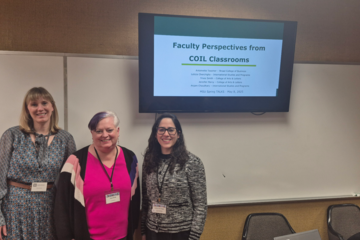
Collaborative Online International Learning (COIL) is a method of education which fosters intercultural learning and development through shared values, presented perspectives, and mutual understanding despite geographical and cultural barriers. It connects students and professors in different countries for collaborative projects and discussions carried out virtually as part of their coursework. As an educational innovation, it reflects the values and goals of the Alliance for African Partnership (AAP) to foster mutually beneficial programs which catalyze lasting partnerships among our consortium members, which is why AAP launched the COIL Faculty Fellows Program-Africa in 2023. Since 2023, AAP along with Michigan State University’s (MSU) Global Youth Advancement Network have supported 14 teams of faculty to design and implement COIL projects.
The highly successful“The Business of Water” COIL project implemented by faculty from MSU and the University of Nigeria Nsukka is a great example of the type of impact COIL can have on both faculty members and students The project comprised 30 students from UNN and MSU, and led by Antoinette Tessmer OF THE Broad College of Business (Finance Dept.), Michigan State University and Nkadi Onyegegbu, Faculty of Education (Science Education Dept.), University of Nigeria Nsukka (Nigeria). It’s aim was to teach students the factors and events that control “The Business of Water” both in their universities and in their communities. UNN and MSU students communicated through online methods such as Zoom or WhatsApp, and they collected data through site visits and interviews among other methods.
Over the course of six weeks, the students learned the intricacies of specific water-based businesses, such as the drinking water industry and the water recycling industry, using the Environmental Social Governance (ESD) framework to structure their research and to later propose a call to action based upon their findings.
By the end of the COIL project, the students and facilitators had engaged and collaborated to such a degree that contacts, bonds and partnerships were formed, breaking through the cultural and international barriers. When giving their experiences on the project, some students wrote the following:
“At the end of the day, we pushed others in new ways of understanding and collaboration that will impact us after we graduate”
“This was my first experience collaborating with international students overseas and I can gladly say that COIL was the online tool that made it possible”
“This experience has highlighted mutual respect and honesty, allowing us to work together on relevant and environmentally sustainable solutions...I feel more equipped to contribute to global discussions”
“These problems also taught me how to communicate with people from different cultures and helped grow my interpersonal skills”
By the metric of engaging students in the “Business of Water” as well as forming intercultural bonds, the AAP has deemed this COIL project another success, among many, and is excited to champion more COIL projects to come.
By:
Baboki Gaolaolwe-Major
Wednesday, Jul 23, 2025
YOUTH EMPOWERMENT
+1
Leave a comment
AAP announces 8 new PIRA partnership awards
Alliance for African Partnership (AAP), a consortium of ten leading African universities, Michigan State University (MSU), and a network of African research institutes, is excited to announce the recipients of the 2024 Partnerships for Innovative Research in Africa (PIRA) seed funding. Each team is composed of at least one lead from an AAP African member institution and one MSU lead. Some teams also include additional partners from NGOs and/or other universities from outside of AAP’s consortium. A consortium-wide initiative, PIRA grants are a tiered funding opportunity designed to cultivate and support multidirectional and transregional research partnerships at any stage of their development, whether it be initiatives to explore and create new relationships or scale existing ones. The total amount of PIRA grants awarded in 2024 is over $500,000.
Awarded projects cover diverse disciplinary perspectives and span AAP’s seven priority areas:
Agri-food systems
Water, Energy and Environment
Culture and Society
Youth Empowerment
Education
Health and Nutrition
Science, Technology and Innovation
All projects will integrate gender, equityand and inclusion issues in all stages of the project.
This year’s winning projects include:
Towards the Implementation of Smart Villages in the Rural Communities of Taraba State in Nigeria
Research leads: Shanelle N. Foster (MSU), Chidimma Frances Igboeli (University of Nigeria, Nsukka), Mbika Mutega (University of Johannesburg), Sari Stark (University of Lapland)
Institutional partners: Michigan State University (College of Engineering), University of Nigeria, Nsukka, University of Johannesburg and University of Lapland
Funding tier: Scaling grant (up to $100,000)
Green Technology Extraction and Characterization of Bioactive Components from Edible Fruits of Vitex donania and Uvaria chamae
Research leads: Leslie D. Bourquin (MSU), Insa Seck (UCAD)
Institutional partners: Michigan State University (College of Agriculture & Natural Resources), Universite Cheikh Anta Diop
Funding tier: Planning grant (up to $50,000)
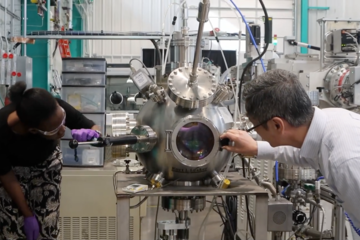
Qi Hua Fan of MSU (left) and Tabitha Amollo of Egerton University (right) working in their solar cell lab.
Develop a Partnership for Renewable Energy Research and Education
Research leads: Qi Hua Fan (MSU), Tabitha Amollo (Egerton)
Institutional partners: Michigan State University (College of Engineering), Egerton University
Funding tier: Scaling grant (up to $100,000)
Bridging the Gap: Strengthening Research, Management and Community Alliances in South Africa’s Largest Coastal Marine Protected Area
Research leads: Amber K. Peters (MSU), Els Vermeulen (UP), Grant Smith (Sharklife)
Institutional partners: Michigan State University (College of Agriculture and Natural Resources), University of Pretoria, Sharklife Conservation Group
Funding tier: Planning grant (up to $50,000)
Changing Public Attitudes and Behaviors of Buying Counterfeits through Evidence-Based Education and Awareness-Raising Campaigns in Kenya
Research leads: Saleem Alhabash (MSU), Maureen Kangu (USIU), Robi Koki Ochieng (USIU), John Akoten (Anti-Counterfeit Authority)
Institutional partners: Michigan State University (College of Communication Arts & Sciences), United States International University-Africa, Anti-Counterfeit Authority
Funding tier: Planning grant (up to $50,000)
Leveraging Tourism and Hospitality Ecosystems to Expand Youth Entrepreneurship and Empowerment in Botswana
Research leads: Karthik Namasivayam (MSU), Mokgogi Lenao (UB)
Institutional partners: Michigan State University (Broad College of Business), University of Botswana
Funding tier: Planning grant (up to $50,000)
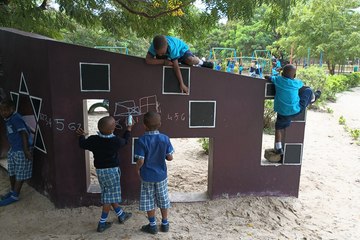
Children attending Pre-school in Tanzania benefit from the research project of Bethany Wilinski of MSU and Subilaga M Kejo of University of Dar es Salaam.
Tucheze Pamoja: Co-Creating Feasible and Sustainable Play-based Learning Approaches in Tanzania
Research leads: Bethany Wilinski (MSU), Subilaga M Kejo (UDSM)
Institutional partners: Michigan State University (College of Education), University of Dar es Salaam
Funding tier: Scaling grant (up to $100,000)
Promoting Science Communication and Engagement through Training and Digital Media Platforms
Research leads: Susan McFarlane-Alvarez (MSU), Dikabo Mogopodi (UB)
Institutional partners: Michigan State University (College of Communication Arts and Sciences), University of Botswana
Funding tier: Planning grant (up to $50,000)
“We were extremely impressed with the quality and diversity of proposals we received for this cycle of the PIRA program. The projects that were awarded all embody AAP’s commitment to innovation, equitable partnership, and our shared vision of transforming lives in Africa and beyond,” said Amy Jamison, co-director of the Alliance for African Partnership.
A unique aspect of PIRA grants is the expectation that institutions will establish and develop equitable partnerships from conception to close out of their respective projects. These equitable partnerships will be among the research team members themselves and include relevant local stakeholders. Teams will involve these local stakeholders as appropriate throughout the project, respecting their knowledge and expertise, and taking an adaptive approach that is responsive to the local context.
We invite you to join our virtual PIRA launch and showcase event at 8 a.m., Tuesday, Feb. 25 when all of our awardees will be discussing their projects. You can register for the event on Zoom.For more information, visit the Alliance for African Partnership website.
By:
Justin Rabineau
Monday, Jan 27, 2025
AGRI-FOOD SYSTEMS
+6
Leave a comment
Transformative Opportunities with the AAP Professional Fellowship Program (PFP)
Transformative Opportunities with the AAP Professional Fellowship Program (PFP)
In May-June 2024, AAP hosted 11 African fellows from Rwanda, South Africa, Zambia, and Zimbabwe at Michigan State University (MSU) as part of the US Department of State-funded Professional Fellows Program. The Advancing Young Women Agribusiness Entrepreneurs and Innovators is administered by MSU in partnership with the University of Rwanda, the University of Pretoria (South Africa), the University of Zambia, and Chinhoyi University of Technology (Zimbabwe). The goal of the program is to build Fellows’ capacity and skills in agro-entrepreneurship and agri-food system innovation and advance their ability to support women’s economic empowerment.
One of the standout features of our PFP is the professional affiliations. Throughout the program, fellows are paired with organizations and mentors that align with their projects, fostering long-term partnerships and impactful collaborations. This unique aspect ensures that fellows not only gain valuable insights but also build enduring professional networks. For example, Vimbai Kaitano, a Zimbabwean farmer and owner of Carol’s Seedlings and Vegetables, was hosted by Bridget Kavanaugh of Happy Goat Lucky Ewe Fiber Farm. While their farms focus on very different commodities, the two farmers and business owners, shared lessons on farm management, value addition, and marketing their small businesses. Robert Rwigema from Rwanda and Precious Nemutenzi from Zimbabwe were hosted by Peter Lemmer and Elana Fata from Greenstone Farm Credit Services. Greenstone arranged a robust experience that allowed these two agribusiness professionals to learn in detail about its farm credit financial services and to connect with many of its client farmers.
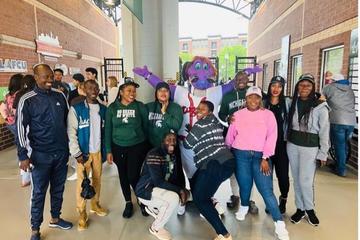
Our PFP is packed with exciting activities, including dinners, delicious food, and networking opportunities. Fellows have the chance to connect, with host families and organizations, and with MSU researchers and students, creating a vibrant and supportive community. These events are perfect for cultural exchange and building lasting relationships. We believe in continuous learning and development. This cohort of fellows was hosted by several local volunteer families for dinners in their homes. They also attended a Broadway musical at MSU’s Wharton Center for the Performing Arts, went to a Lansing Lugnuts baseball game, and had a bowling night with members of MSU’s African Graduate Student Association.
The PFP offers an array of seminars and workshops designed to contribute significantly to our fellows' professional and personal growth. These sessions cover various topics, providing fellows with the skills and knowledge they need to excel. Dr. Wynne Wright, co-director of MSU’s PFP program, delivered workshops on understanding gender dynamics in agri-food systems. Professor Brian Petland from MSU’s Eli Broad College of Business delivered an interactive session on approaches to project management. Raymond Musiima, a PFP alum from 2019 and a current MSU MBA student, provided insights on building and maintaining professional networks. Melissa Staub from MSU’s College of Arts and Letters led a series of workshops on personal development and leadership.
Our program also includes exciting site visits and field trips. These immersive experiences allow fellows to gain practical insights and hands-on learning in various fields. By exploring different environments and contexts, fellows enhance their understanding and apply their skills in real-world settings. Fellows from this cohort visited Detroit where they met up with W.E. DaCruz, Co-Founder of the Mushroom Angel company which uses mushrooms to produce vegan burgers. They also traveled to Super Bloom Hydroponic Farm in Grand Rapids, Michigan where they learned about hydroponic farming. PFP Co-Director, Dr. Wynne Wright hosted the fellows on her lavender farm, Sixteen Sprigs.
As we conclude another successful year of the AAP Professional Fellowship Program, we are excited to announce our plans for an outbound trip to visit fellows in their home countries in early October. This will provide an excellent opportunity to further strengthen our international collaborations and witness firsthand the impactful work our fellows are doing in their communities. Additionally, we eagerly look forward to hosting the next cohort of fellows in 2025, continuing our commitment to empowering young women in agribusiness and fostering transformative opportunities in agro-entrepreneurship and agri-food system innovation.
By:
Baboki Gaolaolwe-Major
Wednesday, Jul 10, 2024
AGRI-FOOD SYSTEMS
+2
Leave a comment
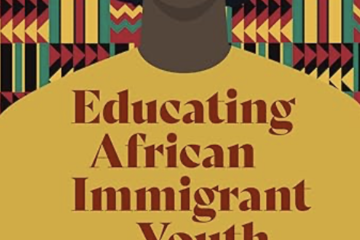
Educating African Immigrant Youth: Schooling and Civic Engagement in K–12 Schools (June, 2024)
This book illuminates emerging perspectives and possibilities of the vibrant schooling and civic lives of Black African youth and communities in the United States, Canada, and globally. Chapters present key research on how to develop and enact teaching methodologies and research approaches that support Black African immigrant and refugee students. The contributors examine contours of the Framework for Educating African Immigrant Youth, which focuses on four complementary approaches for teaching and learning: emboldening tellings of diaspora narratives; navigating the complex past, present, and future of teaching and learning; enacting social civic literacies to extend complex identities; and affirming and extending cultural, heritage, and embodied knowledges, languages, and practices. The frameworks and practices will strengthen how educators address the interplay of identities presented by African and, by extension, Black immigrant populations. Disciplinary perspectives include literacy and language, social studies, civics, mathematics, and higher education; university and community partnerships; teacher education; global and comparative education; and after-school initiatives.
Book Features:
A focus on honoring and affirming the range of youth and community’s diverse, embodied, social-civic literacies and lived experiences as part of their educational journey, reframing harmful narratives of immigrant youth, families, and Africa.
Chapter authors that include Black African scholars, early-career, and senior scholars from a range of institutions, including in the United States and Canada.
Chapters that draw on and extend a range of theoretical lenses grounded in African epistemologies and ontologies, as well as postcolonial and/or decolonizing approaches, culturally relevant and sustaining frameworks, language and literacy as a social practice, transnationalism, theater as social action, transformative and asset-based processes and practices, migration, and emotional capital, and more.
A cross-disciplinary approach that addresses the scope and heterogeneity of African immigrant youth racialized as Black and their schooling, education, and civic engagement experiences. Implications are considered for teachers, teacher educators, and community educators.
By:
Vaughn W. M. Watson
Thursday, Apr 4, 2024
CULTURE AND SOCIETY
+2
Leave a comment
"I think we're all teachers even though we're students": Examining Youth Perspectives of Peer Suppor
Youth of color enrolled in urban public high schools, particularly those students who seek to be the first in their families to graduate from college, frequently encounter barriers to their college readiness and access. This study engaged an analytic approach built with culturally relevant and sustaining theories of education to examine how 10 youth of color enrolled in 12th grade at a Title 1 public high school in New York City provided and/or received support from peers as they navigated such barriers. The study utilized a youth co-researcher methodology to amplify student voices about an issue directly connected to their lives. Two findings emerged across data analysis: (1) students asserted collective notions of academic achievement and (2) challenged what they perceived as inequitable access to resources and opportunities as they supported their peers’ college readiness and access. Taken together these findings provide new insights into possibilities for building from students’ interactions with peers across contexts of curriculum, teaching, and research in urban schools.
By:
Joanne E. Marciano
Thursday, Apr 4, 2024
YOUTH EMPOWERMENT
+1

Leave a comment
Generating New Narratives: Examining Youths' Multiliteracies in Youth Participatory Action Research
This paper examines the multiliteracies practices (New London Group, 1996) of 20 high school students who participated in a weeklong summer research institute at the start of a 6-month long community-based youth participatory action research (YPAR) initiative. Data analyzed included 20 digital multimodal compositions produced by youths, individual interviews with youths, and observations of youths’ participation in the YPAR initiative. Data analysis utilized theories of multiliteracies practices (New London Group, 1996) and culturally sustaining pedagogies (Paris & Alim, 2014) enacted across contexts of YPAR (Fine & Torre, 2004). Findings contribute new insights about students’ multiliteracies practices in YPAR in two ways. First, we examine how learning about research methods shifted students’ understandings of research and the role their experiences could play in YPAR. Second, we examine how students’ digital literacies practices (Lankshear & Knobel, 2008) supported them in generating new narratives about their community in digital multimodal compositions. Finally, we consider how insights gained from our examination may support educators in developing and enacting culturally sustaining (Paris & Alim, 2014) learning contexts that build with students’ multiliteracies practices as strengths while challenging persistent educational inequities.
By:
Joanne E. Marciano
Thursday, Apr 4, 2024
YOUTH EMPOWERMENT
+1

Leave a comment