

Browse
Health And Nutrition

No Preview Available
Submissions open for SADC HIV and AIDS Special Fund
Deadline: Jun 23, 2025
Donor: Southern African Development Community
Grant Type: Grant
Grant Size: More than $1 million
Countries/Regions: Angola, Botswana, Comoros, Congo DR, Lesotho, Madagascar, Malawi, Mauritius, Mozambique, Namibia, Seychelles, South Africa, Swaziland, Tanzania, Zambia, Zimbabwe
Area: Health, HIV/AIDS, Information Technology, Innovation, Domestic Violence, Sexual Abuse, Violence Prevention
The Southern African Development Community is seeking applications for its SADC HIV and AIDS Special Fund to create additional resources at the regional level without disrupting or diminishing existing financial flows to individual Member States.
For more information, visit https://www.sadc.int/procurement-opportunities/submission-proposals-funding-under-sadc-hiv-and-aids-special-fund
Premium Link: https://grants.fundsforngospremium.com/opportunity/op/submission-open-for-sadc-hiv-and-aids-special-fund
Read more

By: Baboki Gaolaolwe-Major
Due Date: Jun, 23, 2025
Health and nutrition
Leave a comment
No Preview Available
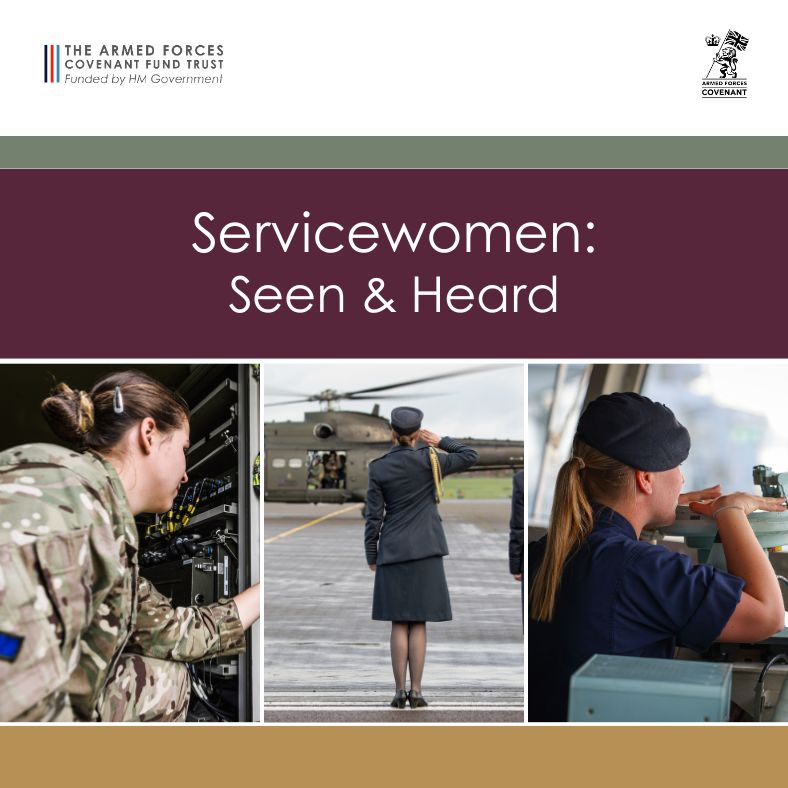
Servicewomen: Seen and Heard Programme 2025–26
Deadline: Jun 25, 2025
Donor: Armed Forces Covenant Fund Trust
Grant Type: Events
Grant Size: $100,000 to $500,000
Countries/Regions: All Countries
Area: Education, Health, Mental Health & Crisis Support, Women & Gender
The Servicewomen: Seen & Heard Programme award grants for two-year projects that expand support options for serving women, ensuring they are aware of, and able to access, help that is tailored to their specific needs.
For more information, visit https://covenantfund.org.uk/programme/service-women-seen-heard-programme-2025-26/
Premium Link: https://grants.fundsforngospremium.com/opportunity/op/servicewomen-seen-and-heard-programme-2025-26
Read more
By: Baboki Gaolaolwe-Major
Due Date: Jun, 25, 2025
Health and nutrition
+1
Leave a comment
No Preview Available
Call for Proposals: The Common Fund for Commodities
Deadline: Sep 29, 2025
Donor: Common Fund for Commodities
Grant Type: Grant
Grant Size: More than $1 million
Countries/Regions: Afghanistan, Algeria, Angola, Argentina, Bangladesh, Benin, Bhutan, Botswana, Brazil, Bulgaria, Burkina Faso, Burundi, Cameroon, Cape Verde, Central African Republic, Chad, China, Colombia, Comoros, Congo (Brazzaville), Congo DR, Costa Rica, Cote DIvoire (Ivory Coast), Cuba, Denmark, Djibouti, Ecuador, Egypt, Equatorial Guinea, Ethiopia, Finland, Gabon, Gambia, Germany, Ghana, Greece, Guatemala, Guinea, Guinea-Bissau, Haiti, Honduras, India, Indonesia, Iraq, Ireland, Italy, Jamaica, Kenya, South Korea, North Korea, Kuwait, Laos, Lesotho, Madagascar, Malawi, Malaysia, Maldives, Mali, Mauritania, Mexico, Morocco, Mozambique, Burma(Myanmar), Nepal, Netherlands, Nicaragua, Niger, Nigeria, Norway, Pakistan, Papua New Guinea, Peru, Philippines, Portugal, Russia, Rwanda, Samoa, Sao Tome And Principe, Saudi Arabia, Senegal, Sierra Leone, Singapore, Somalia, Spain, Sri Lanka, Sudan, Swaziland, Sweden, Syria, Tanzania, Thailand, Togo, Trinidad And Tobago, Tunisia, Uganda, United Arab Emirates, United Kingdom, Venezuela, Yemen, Zambia, Zimbabwe
Area: Accounts and Finance, Agriculture Food & Nutrition, Farming, Businesses, Companies and Enterprises, Entrepreneurship, Biodiversity, Conservation, Environment, Technology, Women & Gender
Submission are now open for the Common Fund for Commodities (CFC) to support transformative, high-impact projects that not only increase smallholder incomes but also contribute to the regeneration of ecosystems.
For more information, visit https://www.common-fund.org/call-for-proposals
Premium Link: https://grants.fundsforngospremium.com/opportunity/op/call-for-proposals-the-common-fund-for-commodities
Read more
By: Baboki Gaolaolwe-Major
Due Date: Sep, 29, 2025
Agri-food systems
+2
Leave a comment

No Preview Available
Japanese Award for Outstanding Research on Development 2025
Deadline: Jun 18, 2025
Donor: Global Development Network
Grant Type: Awards, Prizes and Challenges
Grant Size: $10,000 to $100,000
Countries/Regions: Afghanistan, Albania, Algeria, American Samoa, Angola, Argentina, Armenia, Azerbaijan, Bangladesh, Belarus, Belize, Benin, Bhutan, Bolivia, Bosnia And Herzegovina, Botswana, Brazil, Bulgaria, Burkina Faso, Burundi, Cambodia, Cameroon, Cape Verde, Central African Republic, Chad, China, Colombia, Comoros, Congo (Brazzaville), Congo DR, Costa Rica, Cote DIvoire (Ivory Coast), Cuba, Djibouti, Dominica, Dominican Republic, Ecuador, Egypt, El Salvador, Equatorial Guinea, Eritrea, Ethiopia, Fiji, Gabon, Gambia, Georgia, Ghana, Grenada, Guatemala, Guinea, Guinea-Bissau, Haiti, Honduras, India, Indonesia, Iran, Iraq, Jamaica, Jordan, Kazakhstan, Kenya, Kiribati, North Korea, Kyrgyzstan, Laos, Lebanon, Lesotho, Liberia, Libya, Macedonia, Madagascar, Malawi, Malaysia, Maldives, Mali, Marshall Islands, Mauritania, Mauritius, Mexico, Micronesia Federated States Of, Moldova Republic Of, Mongolia, Morocco, Mozambique, Burma(Myanmar), Namibia, Nepal, Nicaragua, Niger, Nigeria, Pakistan, Palestinian Territories, Panama, Papua New Guinea, Paraguay, Peru, Philippines, Romania, Russia, Rwanda, Saint Lucia, Saint Vincent And The Grenadines, Samoa, Sao Tome And Principe, Senegal, Sierra Leone, Solomon Islands, Somalia, South Africa, Sri Lanka, Sudan, Suriname, Swaziland, Syria, Tajikistan, Tanzania, Thailand, East Timor (Timor-Leste), Togo, Tonga, Tunisia, Turkey, Turkmenistan, Tuvalu, Uganda, Ukraine, Uzbekistan, Vanuatu, Viet Nam, Yemen, Zambia, Zimbabwe, Montenegro, Serbia, Kosovo, South Sudan
Area: Health, Information Technology, Research
The Japanese Award for Outstanding Research on Development is a competitive research grant programme under the umbrella of the Global Development Awards Competition (GDAC), administered by GDN, funded under the Policy and Human Resources Development Fund (PHRD) trust fund managed by the World Bank, and generously supported by the Ministry of Finance, Government of Japan.
For more information, visit https://www.gdn.int/gdac/2025/ord
Premium Link: https://grants.fundsforngospremium.com/opportunity/op/japanese-award-for-outstanding-research-on-development-2025
Read more
By: Baboki Gaolaolwe-Major
Due Date: Jun, 18, 2025
Health and nutrition
+1
Leave a comment
No Preview Available
Doctor Juan Abarca International Award for Medical Science
Deadline: May 30, 2025
Donor: HM Hospitales Research Foundation
Grant Type: Awards, Prizes and Challenges
Grant Size: $100,000 to $500,000
Countries/Regions: All Countries
Area: Community Development, Career Development, Diseases, Health, Health care, Individuals, Researchers, Research, Scientific Research, Science
The HM Hospitales Research Foundation is thrilled to invite nominations for its Doctor Juan Abarca International Award for Medical Science to recognize the work of a scientist of international standing who has achieved a biomedical finding of global significance.
For more information, visit https://www.abarcaprize.com/
Premium Link: https://grants.fundsforngospremium.com/opportunity/op/doctor-juan-abarca-international-award-for-medical-science
Read more
By: Baboki Gaolaolwe-Major
Due Date: May, 30, 2025
Health and nutrition
Leave a comment
No Preview Available
AstraZeneca Young Health Programme Impact Fellowship
Deadline: Apr 17, 2025
Donor: One Young World
Grant Type: Fellowship
Grant Size: $1000 to $10,000
Countries/Regions: All Countries
Area: Nutrition, Community Development, Learning, Career Development, Air Pollution, Diseases, Health, Leaders, Youth, Leadership, Narcotics Drugs & Crime, Youth & Adolescents
The AstraZeneca is looking for passionate, driven young leaders to join its 2025 Young Health Programme (YHP) Impact Fellowship.
For more information, visit https://www.oneyoungworld.com/scholarships/astrazeneca-yhp/2025
Premium Link: https://grants.fundsforngospremium.com/opportunity/op/astrazeneca-young-health-programme-impact-fellowship
Read more
By: Baboki Gaolaolwe-Major
Due Date: Apr, 17, 2025
Health and nutrition
Leave a comment
No Preview Available
Africa-UK Physics Partnership (AUPP) Programme
Deadline: Mar 14, 2025
Donor: National Research Foundation
Grant Type: Grant
Grant Size: $100,000 to $500,000
Countries/Regions: Botswana, Burkina Faso, Cote DIvoire (Ivory Coast), Ethiopia, Ghana, Kenya, Malawi, Mozambique, Namibia, Nigeria, Rwanda, Senegal, Sierra Leone, Tanzania, Uganda, Zambia, Zimbabwe
Area: Climate Change, Energy, Health, Artificial Intelligence, Innovation, Research
The National Research Foundation (NRF) is currently accepting applications for the Africa-UK Physics Partnership (AUPP) Programme to improve physics training, research, infrastructure and collaboration in SSA with the overall objective of supporting the SSA physics community to produce world-class research and contribute to developmental priorities.
For more information, visit https://www.nrf.ac.za/wp-content/uploads/2025/03/AUPP-Call-Framework-March-2025.pdf
Premium Link: https://grants.fundsforngospremium.com/opportunity/op/africauk-physics-partnership-aupp-programme
Read more
By: Baboki Gaolaolwe-Major
Due Date: Mar, 14, 2025
Health and nutrition
+1
Leave a comment
No Preview Available
Apply for Early Career Grant Programme
Deadline: May 14, 2025
Donor: Royal Society of Tropical Medicine and Hygiene
Grant Type: Grant
Grant Size: $1000 to $10,000
Countries/Regions: All Countries
Area: Diseases, Health, Public Health, Individuals, Researchers, Research, Scientific Research
The Royal Society of Tropical Medicine and Hygiene is seeking grant applications to enable early career researchers and global health professionals in the field of tropical medicine or global health to undertake clinical or scientific research and/or fieldwork, either as stand-alone projects or distinct elements within a larger project.
For more information, visit https://www.rstmh.org/2025-early-career-grants-applications
Premium Link: https://grants.fundsforngospremium.com/opportunity/op/apply-for-early-career-grant-programme
Read more
By: Baboki Gaolaolwe-Major
Due Date: May, 14, 2025
Health and nutrition
Leave a comment

No Preview Available
Call for Proposals: GOAL NextGen Youth Programme
Deadline: Apr 01, 2025
Donor: GOAL
Grant Type: Events
Grant Size: Less than $1000
Countries/Regions: Ethiopia, Honduras, Iraq, Ireland, Sierra Leone, Syria, Turkey, Uganda, Zimbabwe
Area: Climate Change, Health, Social Justice, Youth, Youth & Adolescents
GOAL’s NextGen Youth Programme brings together young people from all over the world to better understand global justice issues and deepen their understanding of Global Citizenship.
For more information, visit https://www.goalglobal.org/nextgen-youth-recruitment-2025/
Premium Link: https://grants.fundsforngospremium.com/opportunity/op/call-for-proposals-goal-nextgen-youth-programme
Read more
By: Baboki Gaolaolwe-Major
Due Date: Apr, 1, 2025
Health and nutrition
Leave a comment
No Preview Available
Australia Awards Scholarships in Africa
Deadline: Apr 30, 2025
Donor: Department of Foreign Affairs and Trade
Grant Type: Awards, Prizes and Challenges
Grant Size: Not Available
Countries/Regions: Algeria, Angola, Benin, Botswana, Congo DR, Cote DIvoire (Ivory Coast), Egypt, Ethiopia, Ghana, Kenya, Madagascar, Malawi, Mauritius, Morocco, Mozambique, Namibia, Nigeria, Rwanda, Senegal, Sierra Leone, South Africa, Tanzania, Uganda, Zambia, Zimbabwe
Area: Agriculture Food & Nutrition, Food Safety, Disability, Climate Change, Energy, Individuals, Poverty Alleviation, Research, Gender Equality
The Department of Foreign Affairs and Trade has launched its applications for its Australia Awards Scholarships in Africa to help promote prosperity, reduce poverty, and enhance political stability.
For more information, visit https://www.dfat.gov.au/publications/development/africa-australia-awards-intake-information
Premium Link: https://grants.fundsforngospremium.com/opportunity/op/australia-awards-scholarships-in-africa
Read more
By: Baboki Gaolaolwe-Major
Due Date: Apr, 30, 2025
Agri-food systems
+1
Leave a comment
No Preview Available
Apply Now: Global Economic Prosperity Challenge 2025
Deadline: Apr 17, 2025
Donor: Massachusetts Institute of Technology
Grant Type: Awards, Prizes and Challenges
Grant Size: $100,000 to $500,000
Countries/Regions: All Countries
Area: Fintech, Agriculture Food & Nutrition, Capacity Building, Community Development, Architecture and Planning, Economic Development, Education, Career Development, Employment & Labor, Individuals, Artificial Intelligence, Cyber Security, Innovation, Leadership, Science, Technology, Sustainable Development
The Massachusetts Institute of Technology: Solve is seeking exceptional technology-driven solutions to increase economic prosperity for all.
For more information, visit https://solve.mit.edu/challenges/2025-global-economic-prosperity-challenge
Premium Link: https://grants.fundsforngospremium.com/opportunity/op/apply-now-global-economic-prosperity-challenge-2025
Read more
By: Baboki Gaolaolwe-Major
Due Date: Apr, 17, 2025
Agri-food systems
+2
Leave a comment
No Preview Available
Submissions open for Global Climate Challenge 2025
Deadline: Apr 17, 2025
Donor: Massachusetts Institute of Technology
Grant Type: Awards, Prizes and Challenges
Grant Size: $100,000 to $500,000
Countries/Regions: All Countries
Area: Agriculture Food & Nutrition, Fisheries, Marine, Capacity Building, Community Development, Architecture and Planning, Construction, Economic Development, Education, Employment & Labor, Climate Change, Conservation, Energy, Indigenous Communities, Individuals, Artificial Intelligence, Innovation, Leadership, Technology, Sustainable Development
The Massachusetts Institute of Technology: Solve seeks exceptional solutions that leverage technology to address any aspect of the climate crisis.
For more information, visit https://solve.mit.edu/challenges/2025-global-climate-challenge
Premium Link: https://grants.fundsforngospremium.com/opportunity/op/submissions-open-for-global-climate-challenge-2025
Read more
By: Baboki Gaolaolwe-Major
Due Date: Apr, 17, 2025
Agri-food systems
+2

Leave a comment