

Feed
-
CFAs: Spencer Foundation Vision Grants ProgramDeadline: Feb 11, 2025 Donor: Spencer Foundation Grant Type: Grant Grant Size: $10,000 to $100,000 Countries/Regions: All Countries Area: Education, Innovation, Research, Youth & Adolescents The Spencer Foundation is inviting applications for its Vision Grants Program to support the field in producing research that disrupts long-standing inequities toward more just and equitable systems. For more information, visit https://www.spencer.org/grant_types/vision-grants Premium Link: https://grants.fundsforngospremium.com/opportunity/op/cfas-spencer-foundation-vision-grants-programBy: Baboki Gaolaolwe-MajorThursday, Dec 12, 2024EDUCATION+1
 No Preview Available
 -
Grant Assistance for Grassroots Human Security Projects in UgandaDeadline: Feb 15, 2025 Donor: Embassy of Japan in Uganda Grant Type: Grant Grant Size: $10,000 to $100,000 Countries/Regions: Uganda Area: Financial Assistance, Agriculture Food & Nutrition, Children, Community Development, Disability, Education, Primary Education, Secondary Education, Vocational Education, Health care, Reproductive Health & Family Planning, Disaster Preparedness, Water & Sanitation, Women & Gender The Embassy of Japan in Uganda is pleased to announce the Grant Assistance for Grassroots Human Security Projects to provide financial assistance to non-profit, development-oriented organizations to support community development projects which directly benefit people at the grassroots level. For more information, visit https://www.ug.emb-japan.go.jp/itpr_en/ggp_en.html#header Premium Link: https://grants.fundsforngospremium.com/opportunity/op/grant-assistance-for-grassroots-human-security-projects-in-ugandaBy: Baboki Gaolaolwe-MajorThursday, Dec 12, 2024AGRI-FOOD SYSTEMS+3
No Preview Available -
Submit Applications for Commonwealth Peace PrizeDeadline: Jan 17, 2025 Donor: Commonwealth Secretariat Grant Type: Awards, Prizes and Challenges Grant Size: $10,000 to $100,000 Countries/Regions: Antigua and Barbuda, Australia, Bahamas, Bangladesh, Barbados, Belize, Botswana, Brunei, Cameroon, Canada, Cyprus, Dominica, Fiji, Ghana, Grenada, Guyana, India, Jamaica, Kenya, Kiribati, Lesotho, Malawi, Malaysia, Maldives, Malta, Mauritius, Mozambique, Namibia, Nauru, New Zealand, Nigeria, Pakistan, Papua New Guinea, Rwanda, Saint Kitts And Nevis, Saint Lucia, Saint Vincent And The Grenadines, Samoa, Seychelles, Sierra Leone, Singapore, Solomon Islands, South Africa, Sri Lanka, Swaziland, Tanzania, Tonga, Trinidad And Tobago, Tuvalu, Uganda, United Kingdom, Vanuatu, Zambia Area: Capacity Building, Community Development, Democracy & Good Governance, Innovation, Peace & Conflict Resolution, Religion, Sustainable Development, Youth & Adolescents Submissions are now open for the Commonwealth Peace Prize to recognize a distinguished peace-builder with a strong track record of faith-based engagement in conflict resolution, promotion of social cohesion, and sustainable peace. For more information, visit https://thecommonwealth.org/commonwealth-peace-prize Premium Link: https://grants.fundsforngospremium.com/opportunity/op/submit-applications-for-commonwealth-peace-prizeBy: Baboki Gaolaolwe-MajorThursday, Dec 12, 2024CULTURE AND SOCIETY+1
No Preview Available -
Apply for Youth Ambassadors Africa Program 2025Deadline: Feb 03, 2025 Donor: Bureau Of Educational and Cultural Affairs Grant Type: Grant Grant Size: $500,000 to $1 million Countries/Regions: Angola, Benin, Botswana, Burkina Faso, Burundi, Cameroon, Cape Verde, Central African Republic, Chad, Comoros, Congo (Brazzaville), Congo DR, Cote DIvoire (Ivory Coast), Djibouti, Ethiopia, Gabon, Gambia, Ghana, Guinea, Kenya, Lesotho, Liberia, Madagascar, Malawi, Mali, Mauritania, Mauritius, Mozambique, Namibia, Niger, Nigeria, Rwanda, Sao Tome And Principe, Senegal, Seychelles, Sierra Leone, South Africa, Sudan, Swaziland, Tanzania, Togo, Uganda, Zambia, Zimbabwe, South Sudan Area: Entrepreneurship, Democracy & Good Governance, Education, Literacy, Leadership, Media, Youth & Adolescents The Office of Citizen Exchanges, Youth Programs Division, of the Bureau of Educational and Cultural Affairs (ECA) announces an open competition for the Youth Ambassadors Africa program. For more information, visit https://grants.gov/search-results-detail/357541 Premium Link: https://grants.fundsforngospremium.com/opportunity/op/apply-for-youth-ambassadors-africa-program-2025By: Baboki Gaolaolwe-MajorThursday, Dec 12, 2024YOUTH EMPOWERMENT
No Preview Available -
Youth 4 Climate - Youth Gets Involved Platform in MaliDeadline: Dec 16, 2024 Donor: United Nations Development Programme(UNDP) Grant Type: Events Grant Size: Not Available Countries/Regions: Mali Area: Climate Change, Environment, Youth & Adolescents UNDP Mali is organizing a consultation workshop for the operationalization of the "Youth 4 Climate Mali" platform for youth organizations and young citizens working in the field of environment and climate change or engaged on these issues in Mali. For more information, visit https://procurement-notices.undp.org/view_notice.cfm?notice_id=98505 Premium Link: https://grants.fundsforngospremium.com/opportunity/op/youth-4-climate-youth-gets-involved-platform-in-maliBy: Baboki Gaolaolwe-MajorThursday, Dec 12, 2024WATER, ENERGY, AND THE ENVIRONMENT
 No Preview Available
 -
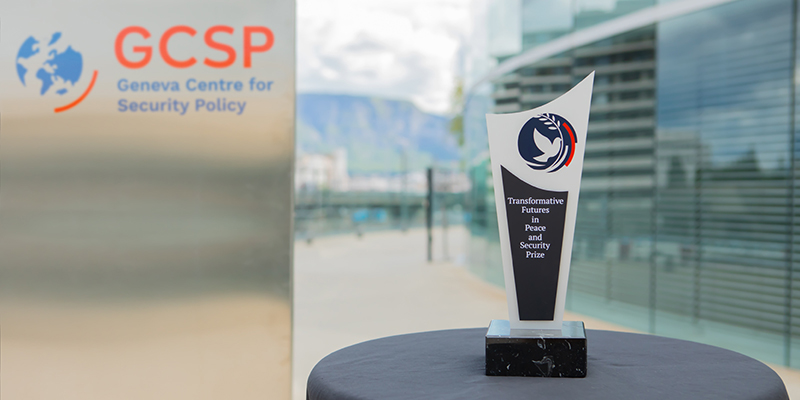
GCSP launches Prize for Transformative Futures in Peace and Security 2025Deadline: Mar 20, 2025 Donor: Geopolitics and Global Futures (GCSP) Grant Type: Grant Grant Size: Not Available Countries/Regions: All Countries Area: Education, Climate Change, Human Rights, Cyber Security, Information Technology, Innovation, Peace & Conflict Resolution The Geopolitics and Global Futures (GCSP) has launched the Prize for Transformative Futures in Peace and Security to reward groundbreaking concepts that offer exceptional promise in addressing peace and security challenges. For more information, visit https://www.gcsp.ch/events/apply-2025-gcsp-prize-transformative-futures-peace-and-security Premium Link: https://grants.fundsforngospremium.com/opportunity/op/gcsp-launches-prize-for-transformative-futures-in-peace-and-security-2025By: Baboki Gaolaolwe-MajorThursday, Dec 12, 2024EDUCATION
 No Preview Available
 -
Capacity building Programme in VET in Sub-Saharan AfricaDeadline: Feb 27, 2025 Donor: European Commission (EC) Grant Type: Grant Grant Size: $100,000 to $500,000 Countries/Regions: Angola, Austria, Belgium, Benin, Botswana, Bulgaria, Burkina Faso, Burundi, Cameroon, Cape Verde, Central African Republic, Chad, Comoros, Congo (Brazzaville), Congo DR, Cote DIvoire (Ivory Coast), Croatia, Cyprus, Czech Republic, Denmark, Djibouti, Equatorial Guinea, Eritrea, Estonia, Ethiopia, Finland, France, Gabon, Gambia, Germany, Ghana, Greece, Guinea, Guinea-Bissau, Hungary, Iceland, Ireland, Italy, Kenya, Latvia, Lesotho, Liberia, Liechtenstein, Lithuania, Luxembourg, Macedonia, Madagascar, Malawi, Mali, Malta, Mauritania, Mauritius, Mozambique, Namibia, Netherlands, Niger, Nigeria, Norway, Poland, Portugal, Romania, Rwanda, Sao Tome And Principe, Senegal, Seychelles, Sierra Leone, Slovak Republic, Slovenia, Somalia, South Africa, Spain, Sudan, Swaziland, Sweden, Tanzania, Togo, Turkey, Uganda, Zambia, Zimbabwe, Serbia, South Sudan Area: Capacity Building, Democracy & Good Governance, Economic Development, Education, Learning, Vocational Education, Employment & Labor, Innovation, Youth & Adolescents The European Commission is inviting applications to support the relevance, accessibility, and responsiveness of Vocational Education and Training institutions and systems in third countries not associated to the Programme as a driver of sustainable socio-economic development. For more information, visit https://ec.europa.eu/info/funding-tenders/opportunities/portal/screen/opportunities/topic-details/ERASMUS-EDU-2025-CB-VET-SSA?isExactMatch=true&status=31094501,31094502&order=DESC&pageNumber=1&pageSize=50&sortBy=startDate Premium Link: https://grants.fundsforngospremium.com/opportunity/op/capacity-building-programme-in-vet-in-subsaharan-africaBy: Baboki Gaolaolwe-MajorThursday, Dec 12, 2024EDUCATION
No Preview Available

Leave a comment