

Feed
-
OpportunityAfrica Regional Democracy Fund – TogoGrant Size: $100,000 -500,000 Donor: US Mission to Togo The U.S. Embassy Lome through this Notice of Funding Opportunity, is pleased to announce an open competition for organizations to submit applications to carry out a program to promote inclusive civic engagement and bolster strong and independent democratic institutions. https://grants.gov/search-results-detail/355708By: Tony MilanziFriday, Aug 16, 2024CULTURE AND SOCIETY
 No Preview Available
 -
PostI am glad to be part of this community dedicated to youth development.By: Samuel OsikeThursday, Aug 15, 2024YOUTH EMPOWERMENT

-
PostGood evening/afternoon everyone. I am joining this platform from Kenya, Egerton University. I am excited to be here.By: Samuel OsikeThursday, Aug 15, 2024YOUTH EMPOWERMENT
-
OpportunityThe Carnegie African Diaspora Fellowship Program (CADFP)Now accepting Project Requests and Scholar Applications for theCarnegie African Diaspora Fellowship Program (CADFP)DEADLINE: September 18, 2024 at 11:59 PM ET We are pleased to announce that the Carnegie African Diaspora Fellowship Program (CADFP) is accepting Project Requests from African host universities and Scholar Applications from qualified African academics in the diaspora in the United States and Canada.What is the CADFP?The CADFP is a scholar exchange program for African higher education institutions to host a diaspora scholar for 14-90 days for projects in curriculum co-development, collaborative research and graduate student teaching and mentoring. How do I apply?The CADFP is a two-sided application: a project request submitted by the African institution and a scholar application submitted by the diaspora scholar. Links and information about the African host institution project request, scholar application, types of fellowships, review guidelines, and FAQs are posted on the program website.Who is eligible? Universities in Ghana, Kenya, Nigeria, South Africa, Tanzania, Uganda, member institutions of the African Research Universities Alliance (ARUA) and partner universities with the Consortium for Advanced Research Training in Africa (CARTA) can submit a project request to host a diaspora scholar. Potential host institutions can apply with a diaspora scholar in mind or request a match from IIE. Diaspora scholars born in Africa, who live in the United States or Canada and work at an accredited college or university in either country, can apply online to be placed on a roster of candidates for a fellowship. Scholars must hold a terminal degree in their field and may hold any academic rank. The lifetime maximum for CADFP Fellowships is two (2). Interested parties are invited to register for one of our informational webinars: Project Request Application Walk Through, Thursday July 18, 2024, 9:00 AM Eastern / 1:00 PM GMT / 4:00 PM EAT Scholar Application Walk Through, Tuesday July 23, 2024, 2:00 PM Eastern Webinars will be recorded and posted on YouTube.Watch our recent recordings discussing best practices for applying for the CADFP. Project Request Best Practice Webinar Diaspora Scholar Application Best Practices TimelineThe deadline for Project Requests and Scholar Applications for diaspora scholars is September 18, 2024 at 11:59 pm ET. Selection decisions will be made late November; project visits can begin as early as January 6, 2025 and must be completed by November 30, 2025.Learn MoreVisit iie.org/AfricanDiaspora for more information about how to apply, program benefits, and details about previously funded Fellows and Projects.By: Jayden HewittSaturday, Aug 10, 2024EDUCATION
-
ArticleAnnouncement of Selected Teams: 2nd Cohort of COIL Faculty Fellows Program-AfricaMSU’s Global Youth Advancement Network (GYAN), Alliance for African Partnership (AAP), and Office for Education Abroad are pleased to announce the selected teams for the second cohort of the COIL Faculty Fellows Program-Africa. Sponsored by AAP, this online fellowship program is an opportunity for teaching faculty from any discipline to explore the theory and practice of Collaborative Online International Learning (COIL) through global partnerships connecting institutions within the AAP Consortium. Approximately 45 highly esteemed teaching faculty expressed interest in partaking in our fellowship program and the selection committee was so impressed by the quality of all team applications received that seven teams were selected, rather than six teams as initially planned. In this second cohort of our fellowship program, MSU fellows representing the Broad College of Business, College of Agriculture & Natural Resources, College of Arts & Letters, College of Education, College of Engineering, and College of Osteopathic Medicine will collaborate with African fellows from Kenya, Nigeria, and South Africa. Join us in congratulating and welcoming the seven teams below: Antoinette Tessmer, Broad College of Business (Finance Dept.), Michigan State University. Jade Verbeek, Faculty of Economic and Management Sciences (Dept. of Marketing Management), University of Pretoria (South Africa). Christina Dokter, College of Osteopathic Medicine (Dept. of Pharmacology & Toxicology), Michigan State University. Ngozi Chioma Okoronkwo, Faculty of Agriculture (Dept. of Food Science and Technology), University of Nigeria Nsukka (Nigeria). Daniel Uyeh, College of Agriculture and Natural Resources & College of Engineering (Dept. of Biosystems & Agricultural Engineering), Michigan State University. Ifeoma Quinette Anugwa, Faculty of Agriculture (Dept. of Agricultural Extension), University of Nigeria Nsukka (Nigeria). Ilce Gabriela Medina Meza, College of Agriculture and Natural Resources & College of Engineering (Dept. of Biosystems & Agricultural Engineering), Michigan State University. Oluchukwu Margaret Mary Nwadi, Faculty of Agriculture (Dept. of Food Science and Technology), University of Nigeria Nsukka (Nigeria). Thomas Rimer, Broad College of Business (Finance Dept.), Michigan State University. Chukwudi Kingsley Onyeachu, Institute of Social Policy, University of Nigeria Nsukka (Nigeria). Trixie G. Smith, College of Arts and Letters (Dept. of Writing, Rhetoric, and Cultures), Michigan State University. Folake Ruth Aluko, Faculty of Education (Unit for Distance Education), University of Pretoria (South Africa). Vaughn W. M. Watson, College of Education (Dept. Teacher Education), Michigan State University. Everlyn Oluoch-Suleh, School of Humanities and Social Sciences (Dept. of Languages and Literature), United States International University-Africa (Kenya). Our most sincere thanks to all applicants and to those who helped share this opportunity within their networks. Stay tuned to GYAN's COIL webpage for future events or new Calls for Fellows.By: Justin RabineauTuesday, Jul 30, 2024EDUCATION
-
OpportunityAfrican Futures Cohort 5 - Call for ScholarsThe Alliance for African Partnership (AAP) is seeking applicants for the fifth cohort of the AAP African Futures Research Leadership Program. This competitive visiting scholar program supports early career researchers from the AAP consortium to work for one year under the mentorship of faculty members from MSU and their home institution, focusing on building skills in research for impact, writing scholarly and/or policy publications, disseminating of research results, and developing grant proposals for external support. Scholars will also participate in a structured professional development program while building bridges and lasting connections with MSU contacts and across their cohort. The main objective of the African Futures program is to strengthen the capacity of a cadre of African researchers to return to their home institutions and become scientific leaders in their community, establish long-term partnerships with MSU faculty, co-create innovative solutions to Africa’s challenges, and in turn become trainers of the next generation of researchers. This program aims to address the gender gap in Africa, where only 30% of researchers are women, so scholars selected for the program will be women, or men who can demonstrate they are committed to support efforts towards gender equity in higher education institutions in Africa. The research areas that the scholars will engage in during the program should be aligned to AAP's research priority areas. The AAP Management Team requests applications from early career researchers to participate in the next cohort, with work to begin virtually in February 2025. Scholars will spend September – December 2025 at MSU for the in-person portion of the program, followed by another period of virtual collaboration, ending in early 2026. The scholar and mentor team will receive a small grant for research and professional development activities including conference attendance and publication. Scholars will also receive a stipend during their time at MSU, visa application support, and round-trip travel from their home institution. Potential Research Areas Selected scholars will work in one of AAP’s seven priority areas: Agri-food systems Water, Energy, and Environment Culture and Society Youth Empowerment Education Health and Nutrition Science, Technology, and Innovation Selected scholars will be paired with an MSU mentor and commit to working with the MSU mentor and the home institution mentor for the duration of the program. Program Benefits Professional development activities – AAP will offer structured professional development workshops centered on topics such as building equitable partnerships, academic time management, proposal development and budgeting, research communication, etc. to establish professional trajectories, to build research, writing, and publishing skills, and to support scholars to move through various stages of review, promotion, and growth. Leadership activities – this will center on a research leadership retreat to expose scholars to the key competencies of research leaders, the work that research leaders engage in, personal reflection on their characteristics and career goals to help determine the pathway to advancement to research leadership. Collaboration networks – the early career researcher will be co-mentored by an MSU faculty member and a faculty member from their home institution. Mentors will have the opportunity to visit their counterpart for one week during the duration of the program. The scholar will also gain access to AAP’s broad network of researchers at MSU, across Africa, and beyond. Proposed activities should ultimately lead to potential long-term collaborations between MSU and the partner institution. Expected Outcomes Each scholar and mentors are expected to produce the following outputs, at minimum, by the end of the program: Submission or evidence of publication of one to three joint manuscripts At least one grant proposal application At least one conference presentation Collaborations with mentors are meant to be long-term and continue after the end of the program. Scholars are encouraged to network with MSU faculty beyond their mentor while at MSU. Scholars are expected to submit regular progress reports to AAP and their home institution focal point. Failure to meet program and mentor expectations can result in early dismissal. Eligibility Citizen of an African country Completion of a PhD degree within the last 10 years Employed as an Academic Staff member at one of the AAP African consortium universities including Egerton University, Makerere University, University of Dar es Salaam, Lilongwe University of Agriculture and Natural Resources, University of Botswana, University of Nigeria, Nsukka, University Cheikh Anta Diop, University of Arts and Humanities, Bamako, United States International University-Africa, and University of Pretoria Have documented approval of leave or sabbatical to participate in the program for the in-person period Have a mentor at their home institution that will serve as a collaborator and mentor Research must be in one of the AAP priority areas Applicants may only submit one proposal to AAP in this round of funding. Prior scholars are not eligible to apply. Application Requirements Applicants should provide the following documents as part of their application package: An up-to-date curriculum vitae (CV) that provides a chronological review of their professional accomplishments A letter of interest that demonstrates how their research interest and experience is aligned to the AAP research priority area and how they plan to implement long-term sustainable partnership (1 pages) (for male applicants) include how they have supported efforts towards gender equity in higher education institutions in Africa Names of potential mentors at MSU (applicants should browse relevant MSU department’s website to identify up to three faculty that are aligned with their research interests. Applicants should not contact MSU faculty directly - AAP will reach out on the applicant’s behalf) Two publications in refereed journals related to their research area Two professional references that detail the relationship to the applicant and provide specific examples of their assessment of the expertise of the applicant’s research area A letter from the mentor at their home institution indicating willingness to serve as a collaborator during the program, travel to MSU for one week of collaboration discussions, and mentor the early career researcher when they return to their home institution (1 page) A written endorsement from the applicants’ Head of Department approving leave (1 page) A letter of support from the AAP Focal Point for the scholar’s application (1 page) Selection Criteria: Professional merit, scientific ability, potential career impact and future collaboration goals with MSU faculty (based on CV, letter of interest, publications, Head of dept and home mentor letters, and two reference letters) Assurance and availability of resources from the home institution for a designated, funded position for the early career researcher upon completion of their fellowship (expressed in letter from head of Dept at the home institution) Commitment to return to their home country following completion of training (expressed in a letter of interest) The selection committee will ensure the best match of outstanding candidates and MSU mentors Additional selection factors may include diversity in scientific research areas and geographic origin Applications are due on August 18, 2024 Apply: https://msu.co1.qualtrics.com/jfe/form/SV_a60s40TOPXGO5sq Additional program dates: Program start date (virtual): February 2025 In-person program: Sept - Dec 2025 Program end date: February 2026 Questions Please contact José Jackson-Malete at jacks184@msu.edu or +1 517-884-8587 with any questions.By: Justin RabineauWednesday, Jul 10, 2024AGRI-FOOD SYSTEMS+6
-
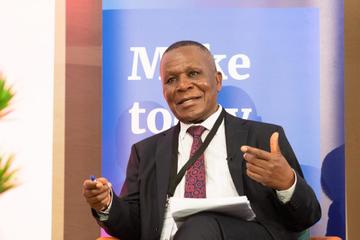
ArticleEditor's Note: Richard Mkandawire, AAP Africa DirectorDear AAP Members, Stakeholders, Partners and the Public I am pleased to present the second issue of AAP Connect, focusing on AAP’s strategic goal of research for impact. In this issue, we use the example of a critical theme that lies at the heart of sustainable agriculture and food security in Africa: soil health, fertilizer usage, and agri-food systems. Our inaugural AAP Connect issue published in April, focused on building sustainable networks in research. We wanted to highlight some of the unorthodox approaches to networking, not just the usual meet, and greet, and exchange contacts, but ones that take into account context and timing. If you missed it, please spare some time and browse through it. We have just returned from Nairobi, Kenya, where African governments led by their heads of state, global donor organizations, and global policy network organizations met at the Africa Fertilizer and Soil Health Summit, 7th to 9th May 2024. At the summit, stakeholders unveiled Africa’s Fertilizer and Soil Health Action Plan and shed light on the pressing need to invest in this plan’s implementation, emphasizing the crucial role of soil health and fertilizer in enhancing food security and nutrition across the continent. This AAP Connect issue, therefore, comes at a critical period where Africa has gone through a challenging period of fertilizer shortages, and governments and global agencies are poised to take action. This aligns perfectly with AAP’s priority area of Agri-food systems, emphasizing one of AAP’s primary Goal 3: Research for Impact, that targets deliver impactful research that transforms lives. I am also proud to announce to you that witnessing the summit unfolding was a surreal moment for us at AAP because we have played a pivotal role in its conceptualization. It has taken much effort and a lot of back-and-forth negotiations to make it a reality. We are proud to be the technical partner of this important process that will see transformations in Africa’s agri-food systems. The icing on the cake was that we at AAP, in partnership with ANAPRI and top experts in agriculture and soil health from across our consortium, convened a side event that focused on the role of science, research, and training institutions in the realization of Africa’s Fertilizer and Soil Health Action Plan. During this side event, we discussed at length the critical importance of knowledge creation, training, and collaborative research initiatives in driving sustainable soil health and fertilizer practices to improve food baskets in Africa. Further cementing our commitment to actionable outcomes, AAP collaborated with Catholic Relief Services and the Government of Malawi to host the Malawi Ready event. This event convened key stakeholders to chart a strategic implementation path for Malawi's adoption of the Africa Fertilizer and Soil Health Action Plan. We were honored to welcome the President of Malawi, Dr Lazarus McCarthy Chakwera and other distinguished government officials, signifying the collective resolve to tackle soil health and fertilizer challenges head-on. For this issue, as a way to spark your minds with innovative approaches to research for impact, we have enlisted top experts to unpack key issues and bring ideas that may be transformed into solutions for Africa. We hope that you will enjoy and be inspired to work on your next impactful research project in agri-food systems or any other field which has the potential to transform lives in Africa and beyond. Together, we can drive meaningful change and pave the way for a more sustainable and food-secure Africa. Warm regards, Richard Mkandawire AAP Africa Office DirectorBy: Baboki Gaolaolwe-MajorWednesday, Jul 10, 2024WATER, ENERGY, AND THE ENVIRONMENT+2

Leave a comment