

Feed
-
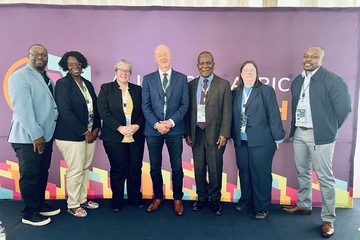
The Role of Science, Institutions of Learning, and Training on Africa’s Fertilizer and Soil Health.Summary: African soils are in danger, and this crisis threatens to disrupt food security and ecosystems, potentially leading to famine and nutritional challenges. Healthy soil is essential for human existence on earth. Healthy soils have biological, physical and chemical properties found in their top layer, or topsoil, that sustain plant and animal productivity, soil biodiversity and environmental quality. Healthy topsoil is a key factor in bolstering agriculture productivity in Africa. Yet it is known that African soils are in a crisis. Addressing this urgent issue requires a collaborative effort involving policy and regulation, funding, private and community interventions, and, crucially, the leadership of African research and training institutions. These entities are pivotal in restoring Africa’s soil health and ensuring the appropriate use of fertilizers. The Africa Fertilizer and Soil Health Summit (AFSHS), held in Nairobi, sought to address these pressing issues. The Summit’s primary goal was to establish an Africa Fertilizer and Soil Health Action Plan, a roadmap designed to tackle the challenges of declining soil health and low fertilizer efficacy across the continent. This plan, envisioned to guide efforts until 2030, aims to enhance agricultural productivity through sustainable practices and robust policy frameworks. During the Summit, the Alliance for African Partnership (AAP), in collaboration with Michigan State University (MSU) and the Africa Network of Agricultural Policy Research Institutes (ANAPRI), organized a critical side event. This event underscored the indispensable role that African research and training institutions play in shaping and implementing policy reforms for fertilizer and soil health programs. The Vital Role of African Research and Training Institutions African research and training institutions are custodians of knowledge and expertise, uniquely positioned to drive sustainable agricultural practices and to address ongoing soil degradation. Their role in promoting sustainable practices and conducting extensive research is central to the success of the Africa Fertilizer and Soil Health Action Plan. These institutions, including universities, scientific crop and livestock institutes, and policy research think tanks, are essential in providing thought leadership, policy engagement, and the development of key solutions and implementation strategies. Professor Thom S. Jayne of MSU highlighted this during his keynote presentation at the side event. He emphasized that effective implementation of soil health initiatives requires the involvement of trusted local institutions. “The message coming from established local actors will generate much greater trust and commitment than the same message from externally funded outside interests,” he noted. This sentiment reflects a broader recognition that African-led initiatives are crucial for achieving lasting impact and engagement with African governments. Challenges and Collaborative Efforts Implementing these initiatives is not without challenges. African food systems face pressures from climate change, population growth, conflict, and land degradation. Innovation is necessary to adapt to these conditions, and this innovation must be driven by robust agricultural research and extension systems. As Thomas Jayne stated, “Innovation is required for African founding populations to survive and remain competitive and productive in the face of all these changes.” However, the adoption of innovative soil fertility practices among smallholder farmers remains low. Many farmers struggle to consistently implement practices like crop rotations, intercropping legumes, and recycling organic matter. To address this according to Thom Jayne, there must be strong bi-directional learning systems where farmers benefit from new technologies, and scientists understand and address the barriers to adoption. Path Forward: Empowering Local Institutions The need for empowering local African institutions will be key to responding to the call implementation of the actions plans. However the local institutions will need to take into account challenges such as; the need for building national coalitions of stakeholders and defining local level coordination mechanisms as well as resources including human and financial These institutions must be supported to fulfill their mandates, drive research and innovation, and implement policies that reflect the realities and needs of African agriculture on the ground. Professor Titus Awokuse from MSU underscored the importance of these partnerships. “Stakeholders must collaborate and contribute to the success of the action plans, from providing leadership and coordination to investing resources and actively participating in the implementation process,” he said. This collaborative approach ensures that the action plans are not just theoretical but are translated into tangible outcomes that benefit farmers and communities across Africa. Conclusion The Africa Fertilizer and Soil Health Summit and its associated events highlighted the critical need for a concerted effort to address soil health and fertilizer use in Africa. By leveraging the expertise and leadership of African research and training institutions, supported by a collaborative network of stakeholders, there is a real opportunity to create a more sustainable and productive agricultural future for the continent. The success of these initiatives will not only restore soil health but also enhance food security and resilience, ensuring a prosperous future for Africa and its people. Inherently, this is not a small feat, given the diverse multistakeholder partnerships, alongside the complex nature of various governments, it requires careful navigation. Titus Awokuse reminded everyone that “even though our conversations may take many forms and go in different directions, we need to always remember it's about the people. It's about families, children and individuals that don't have a voice, therefore in our conversations we need to think carefully on how to leverage our positions of privilege to make their voices heard”By: Baboki Gaolaolwe-MajorWednesday, Jul 10, 2024HEALTH AND NUTRITION+2
-
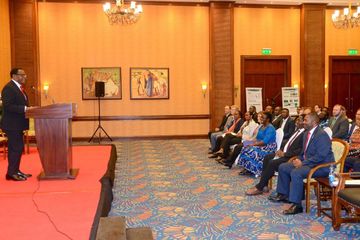
Malawi Ready: A Transformative Step Towards Soil Health and Agricultural ProsperityThe past month has been surreal for the Alliance for African Partnership (AAP). After years of meticulous planning, we finally witnessed the African Fertilizer and Soil Health Summit in Nairobi. It's been a journey filled with challenges and triumphs. To top it off, we concluded the summit with a post-event organized by AAP, MWAPATA, and Malawian agricultural policy and development institutions under the theme "Malawi Ready." This event served as a strong message of commitment and reinforcement by the Malawian Government to development partners, affirming that Malawi is fully prepared to implement the Africa Fertilizer and Soil Health Action Plan. His Excellency, Dr. Lazarus McCarthy Chakwera, graced the occasion as the guest of honor for "Malawi Ready." The Importance of Restoring Soils in Malawi Malawi, like many other African countries, faces significant challenges related to soil degradation. Soil health is fundamental to agricultural productivity, which in turn is crucial for food security, economic development, and poverty alleviation. Restoring soil fertility in Malawi is not merely an environmental imperative but a socio-economic necessity. Fertile soils lead to better crop yields, improved nutrition, and increased incomes for farmers. This sets off a positive ripple effect throughout communities, enhancing overall well-being and fostering sustainable development. Government Support and Donor Engagement Recognizing the critical importance of soil health, the Government of Malawi has taken decisive steps to champion this cause. President Chakwera's presence and endorsement at the "Malawi Ready" event underscore the high level of political will and commitment to this initiative. In his address, President Chakwera emphasized the government's unwavering support for the action plan, highlighting the collaborative efforts required to achieve lasting impact. The government's role extends beyond endorsement to active engagement with various stakeholders, including donor agencies, private sector partners, and local communities. This multi-faceted approach ensures that the action plan is comprehensive and inclusive, addressing the needs and challenges of all stakeholders involved. Securing Commitments and Investments "Malawi Ready" was pivotal in securing commitments and investments from major development partners such as USAID, AFAP, and Catholic Relief Services. These organizations bring financial resources, technical expertise and innovative solutions essential for the successful implementation of the action plan. Their involvement guarantees a robust support system that will drive the initiative forward, ensuring sustainability and scalability. We are thrilled to have played a central role in driving this initiative forward, led by AAP Director of the Africa Office, Prof. Richard Mkandawire, who also steered the proceedings of "Malawi Ready." The event was marked by fruitful discussions, strategic planning, and a shared vision for a sustainable agricultural future in Malawi. The Road Ahead The launch of "Malawi Ready" marks the beginning of a new chapter in Malawi's agricultural development. The focus now shifts to the implementation phase, where the collective efforts of all stakeholders will be crucial. Continuous monitoring, evaluation, and adaptive management will ensure that the initiatives remain aligned with the set goals and objectives. The commitment demonstrated by the Malawian Government, along with the support from international partners, sets a strong foundation for success. Together, we aim to transform Malawi's agricultural landscape, restore soil health, and create a resilient and prosperous future for its people. In conclusion, "Malawi Ready" is not just a campaign; it is a clarion call to action. It embodies the hope and determination of a nation ready to reclaim its soil health and agricultural productivity. As we move forward, let us remember that the journey to sustainable development is a collective one, and with unity and perseverance, we can achieve remarkable milestones for Malawi and beyond.By: Baboki Gaolaolwe-MajorWednesday, Jul 10, 2024WATER, ENERGY, AND THE ENVIRONMENT+1
-
Nourishing the Future: Reflections on the Follow-up to the African Fertilizer and Soil Health SummitSummary: In the wake of Africa's escalating food security crisis, marked by chronic undernourishment and stunted growth in children, a transformative approach to fertilizer use and soil health is paramount. Despite past efforts like the Abuja Declaration, fertilizer usage in Africa remains critically low, contributing to poor crop yields and persistent hunger. The recent African Fertilizer and Soil Health Summit has reignited hope with a comprehensive Action Plan aimed at integrating fertilizer use with sustainable soil health practices. This article delves into the necessity of deep and hyper-localization in policy and practice, advocating for tailored, evidence-based approaches to boost agricultural productivity. 12 is Professor in Michigan State University’s Department of Agricultural, Food, and Resource Economics (AFRE), Senior Co-Director of AFRE’s Food Security Group (FSG), and Director of the Feed the Future Innovation Lab for Food Security Policy Research, Capacity, and Influence (PRCI) funded by USAID A cursory glance at the latest data on “Africa’s food and nutrition” reveals a grim reality: hundreds of millions are undernourished. According to the Food and Agriculture Organization (FAO), over 282 million Africans are chronically undernourished—a number exacerbated by the back-to-back effects of the COVID-19 pandemic and the Russia-Ukraine war, which have added tens of millions to this tally. The continent’s food security crisis is further underscored by the fact that over a billion people cannot afford a healthy diet, with children disproportionately affected; approximately 30% of African children are stunted due to malnutrition. The fundamental driver of this crisis is the widespread poverty that makes so many unable to obtain the food they need, whether through their own production or through the market. Yet there is no question that the continent's inadequate food production capabilities, and the failure of these capacities to keep up with population growth, is a major contributor to the crisis. A significant factor in this inadequate and slowing growing production capacity is low use of fertilizers and the poor health of soils across Africa. Compared to other regions, African countries use minimal amounts of fertilizer, resulting in lower crop yields and perpetuating cycles of hunger and malnutrition. In recognition of this fact, and under the auspices of the African Union, the African continent just held a successful African Fertilizer and Soil Health Summit (AFSHS) in Nairobi. Featuring wide attendance of political and food systems leaders across the continent together with development partners, the Summit captured and fueled their commitment and enthusiasm to improve the lives of African farmers and consumers. A key contribution of the Summit was to harness this commitment to an Action Plan that provides a strong basis for addressing the continent’s longstanding agricultural productivity crisis. A major reason that Summit participants emerged optimistic of progress is the specificity of the continental Action Plan and its understanding that fertilizer, if it is to drive sustainable intensification, must be integrated into a broad package of reformed policies and programs focused on soil health. Yet we have been here before. The Abuja Declaration on Fertilizer for the African Green Revolution, signed by 14 African heads of state and released during the African Fertilizer Summit of 2006, set lofty goals for increased fertilizer use and productivity growth on the continent. Yet results have been disappointing at best. On the one hand, fertilizer use per hectare (ha) of arable land has grown 79% since 2006, nearly double the growth rate of South Asia, comparable to the rate in Latin America and the Caribbean, and vastly higher than East Asia’s growth of only 8%. Yet this growth cannot be considered surprising since it started from an extremely low base; the result is that levels of fertilizer use in Sub-Saharan Africa today remain a small fraction of those in any other region of the world – 23 kg/ha compared to 207 kg/ha, 187 kg/ha, and 312 kg/ha, respectively, in Latin America and the Caribbean, South Asia, and East Asia (World Bank Databank). And use today is less than half the target of 50 kg/ha that the Abuja Declaration set for 2015. Regarding productivity, while cereal yields nearly doubled from 2006 to now, this growth is less than half that achieved in every other region of the developing world during this time. This means that African agricultural productivity has fallen even further behind the rest of the world since Abuja. The message is clear – Africa needed a big push to do major catch-up growth in fertilizer use, soil management, and yields, and failed to achieve it. Partly as a result, after at least two decades of declining hunger and malnutrition, both have been on the rise on the continent in recent years. What needs to be different this time? A useful lesson in life and in work is that one should not expect different results while continuing to do what we’ve done in the past. This lesson can be hard to learn, especially for the large bureaucracies – governments, large bilateral and multilateral development partners, and even the international agricultural research community - that are central to generating a productive response to the 2024 AFSHS. So, what needs to change if we want, this time, to see the kind of transformational change that is needed in Africa’s agricultural production practices if the continent is to sustainably nourish its population and pull its people out of poverty? This note suggests that obtaining different results this time – achieving sustained and effective action for improved fertilizer use and soil health - requires a much more profound localization of approach, and that this localization requires important changes in how governments, their development partners, and other stakeholders behave. Specifically, we argue for two different but complementary approaches: deep localization in the process of policy and programmatic design and in how research to support that process is conceived and carried out; and what some call hyper localization in technical recommendations for farmer practices on their fields. These two ideas – deep localization and hyper localization - need to be brought together to reinforce each other and jointly drive the design and implementation of a new and much more effective generation of policies and programs to achieve rapid and sustained growth in African agricultural productivity The rest of this note explains what we mean by deep localization and hyper localization, why we believe that they need to go hand-in-hand in the follow-up to the AFSHS, and what they imply about how governments and development partners, including applied researchers in the global north and global south, need to change the attitudes and approach they bring to their work. Hyper Localization Hyper-localization is a popularized term that refers to the scientific concept of “4R” in soil nutrient management – right source, right rate, right time, and right place (Fixen, 2020; Reetz et al., 2015). The messages is that one needs to apply the right kind of nutrient in the right formulation and needs to apply it at the right rate and at the appropriate time, based on the specific field receiving the nutrient. Hyper-localization thus refers to the technical aspects of nutrient use and emphasizes customization to a farmer’s specific field. We offer four comments in this regard. First, localized fertilizer recommendations are important across the world, since soil characteristics can vary quite a lot across countries, across regions in a country, across fields, and even within a field. The rapid rise of “precision agriculture” in industrialized countries, in which a digital soil map of a farmer’s field linked to GPS technology that varies the blend applied by the machinery to match the soil map, is a clear indicator of the importance of highly localized fertilizer use to farmer profitability. Second, much more localized application may be especially important in Africa, since this continent seems to present substantially higher variability over space in soil characteristics than other regions of the world (Suri and Udry, 2022). Together with large variability over space in transport infrastructure, crop and fertilizer prices, and access to markets, this agroecological heterogeneity drives extremely large variation in returns to fertilizer (Suri, 2011). Third, fertilizer policy in Africa has failed to come to terms with this heterogeneity through its decades-long “one-size-fits-all” approach. Too often, a sharply limited set of fertilizer formulations is provided nationally, often through government programs at subsidized prices. Given the heterogeneity just discussed, this is a recipe for poor profitability and low farmer adoption despite very high programmatic expenditures. Fourth, implementing a 4R approach – enabling farmers to apply the fertilizer that their field needs, in the right amount and at the right time - requires that farmers have “access to knowledge, all needed fertilizers, and related services” (Reetz et al., 2015). In other words, farmers need to know what to apply, they need to be able to get it, and they need to be able to access knowledge and inputs for complementary practices such as improved seeds and organic practices crucial to sustainable use of chemical fertilizers. We see two key reasons why all but a tiny fraction of farmers in Africa do not have this kind of access. One is that, since at least the days of structural adjustment in the 1980s, African governments have dramatically under-invested in rural extension systems and in the soil testing and related agroecological profiling that would allow at least some evidence-based variation in fertilizer recommendations. New technologies promise to reduce the cost of generating improved and spatially disaggregated knowledge of soil characteristics, but these need to be linked to functioning research and extension systems to be put to use for African farmers. The second key reason that farmers don’t have this kind of access relates to fertilizer and broader agricultural input policy in much of Africa. Private sector fertilizer distribution through markets in principle holds the prospect of providing farmers with greater choice in what they use, but national fertilizer policies frequently undermine these channels (Jayne et al., 2018). Heavy reliance on imported formulations exacerbates this problem, though this is beginning to change due to a large increase in domestic blending of fertilizers. The bottom line is that moving towards more localized fertilizer recommendations and practice is crucial if Africa’s productivity crisis is to be reversed, and requires greater public investment in data and data systems linked to strengthened rural extension, together with policy and programmatic reform to facilitate a flexible private sector response to farmer input needs. Deep Localization and “nth-best solutions” A recurring problem in Africa and many developing countries is the promotion of “showpiece” legislation and programs that mimic what outside experts consider “best practice” but that are never implemented (Pritchett, Wilcock, and Andrews, 2013). Africa must avoid this in its follow-up to the AFSHS. Rather than passively following outside advice, African countries need to marshal their own capacities and use their own processes, as imperfect as they may be, to develop action plans that are put into action, are able to appropriately evolve over time, and are informed by strong, local empirical evidence. This can happen only through a deeply localized process in which stakeholders are engaged in an iterative process of analysis, design, dialogue, negotiation and bargaining, and redesign. This process – indeed, development of workable policies and program in any country anywhere in the world – is an unavoidably messy social and political process. Empirical scientific input is crucial to good outcomes but is not and cannot be the main driver of what emerges. Indeed, the outcomes that emerge, based on iterative dialogue and political compromise, are typically far from what a researcher would consider “best”. We refer to them as “nth-best solutions”, meaning they are the best available solution given the technical, social, and political dynamics and constraints of the system one is operating in. Far from failure, the development and implementation of such nth-best solutions is a sign of progress in a country’s ability to develop its own approaches that are feasible, “effective enough”, and can be maintained and improved over time. Attitudes and behavior need to change We have argued that the follow-up at country level to the AFSHS must involve deep localization, that is, a determination by local stakeholders simultaneously to seek out the best technical advice while subjecting it to the messy bargaining and “deal making” inherent in any authentic design of workable policies and programs that countries can own and take responsibility for. We have further argued that this follow-up must come to terms with Africa’s huge heterogeneity in agroecology, infrastructure, and market access, and generate an approach that allows for hyper localized solutions. These solutions will be possible only through recommendations that are more suitable to farmers’ particular fields combined with greater access by farmers to the knowledge, inputs, and services needed to pursue these recommendations while adapting them based on their own knowledge. Achieving this will require simultaneously increasing public investment and reforming policies and programs to allow greater private sector response to farmer needs through functioning markets. If African countries are able to do this, we believe they will generate policies and programs that, while far from what might be considered technically “best”, nonetheless stand a far greater chance of being implemented and adapted as needed, to impressive cumulative effect over time. We suggest that attitudes and behavior by all parties will have to change to make this approach possible. African governments will need to show keener interest in locally generated empirical information even as they promote a highly stakeholder-engaged process of policy and programmatic design that may generate outcomes far from what many consider technically best. Local analysts need to understand and accept the fundamental social and political nature of this process while figuring out how to engage with that process and make their research understandable and relevant to decision makers. The international research community must commit to working in equitable partnerships that involve giving up the right to drive the research agenda. And donors need to recognize that things may take longer working this way and that countable and reportable outputs may be fewer but that outcomes – the changes that matter to people’s lives – should be greater. Change is hard. Admitting that the way we as a global development community have approached empirically informed policy and programmatic change for many decades needs serious rethinking is especially hard. But by focusing on equitable partnerships and accepting what, on any reasonable reflection, is so obvious – that policies and programs simply must adapt to local political and social realities even while striving to be as effective and efficient and equitable as possible – this change is possible. We know how to proceed – let’s get on with it! References Liverpool-Tasie, LSO, B. Omonona, A. Sanou, W. Ogunleye, (2015). “Is Increasing Inorganic Fertilizer Use in Sub-Saharan Africa a Profitable Proposition? Evidence from Nigeria”. Food Policy, 67, 41-51. https://doi.org/10.1016/j.foodpol.2016.09.011. Burke, W., T.S. Jayne, J.R. Black (2017). “Factors explaining the low and variable profitability of fertilizer application to maize in Zambia”. Agricultural Economics, 48(1), 115-126. https://doi.org/10.1111/agec.12299. Laajaj, R., K. Macours, C. Masso, M. Thuita & B. Vanlauwe (2020). “Reconciling yield gains in agronomic trials with returns under African smallholder conditions”. Scientific Reports, 10, 14286. https://doi.org/10.1038/s41598-020-71155-y. Jayne, T.S., NM Mason, WJ Burke, J Ariga (2018). “Taking stock of Africa's second-generation agricultural input subsidy programs”. Food Policy, 75: 1-14. https://doi.org/10.1016/j.foodpol.2018.01.003. Fixen, P. (2020). “A brief account of the genesis of 4R nutrient stewardship.” Agronomy Journal, 112: 4511-4518. https://doi.org/10.1002/agj2.20315. Reetz, H., P. Heffer and T. Bruulsema (2015). “4R nutrient stewardship: A global framework for sustainable fertilizer management”, Chapter 4 in Dreschel et al., eds, “Managing Water and Fertilizer for Sustainable Agricultural Intensification”, International Fertilizer Industry Association (IFA), International Water Management Institute (IWMI), International Plant Nutrition Institute (IPNI), and International Potash Institute (IPI). Paris, France, January 2015. ISBN 979-10-92366-02-0. Pritchett, L., Woolcock, M., & Andrews, M. (2012). “Looking Like a State: Techniques of Persistent Failure in State Capability for Implementation”. The Journal of Development Studies, 49(1), 1–18. https://doi.org/10.1080/00220388.2012.709614.By: Baboki Gaolaolwe-MajorMonday, Jul 8, 2024AGRI-FOOD SYSTEMS+1

-
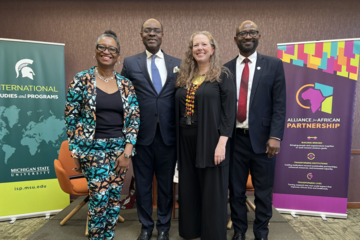
ADVANCED DEGREES COMMENCEMENT CEREMONY - SPEECH BY BOLAJI BALOGUN, CEO, CHAPEL HILL DENHAMLadies and gentlemen, distinguished faculty members, proud parents, spouses, friends, family, and most importantly, the 2024 Advanced Degrees graduating class of MSU, Good Afternoon. I am delighted to be here with you today and I am humbled to have this honour and privilege. Thanks to Dan Kelly, the Chair of the Board and the Trustees; President Kevin M. Guskiewicz; Congratulations and MSU is in thoughtful hands; Interim Provost & Executive Vice President Thomas D. Jeitschko; Senior Vice Presidents; Vice Presidents; Deans, and in particular, Vice Provost Steven D. Hanson, Dean of International Studies and Programs, who I met in Nigeria in September 2022. Thank you for your kind letter at the passing of my father, Michael Olasubomi Balogun, in May 2023. Dean Judith Whipple, Acting Dean, Eli Broad College of Business and Graduate School of Management, who have graciously hosted me during this visit – and other Senior Administrators of this great institution. I must acknowledge Soji Adelaja, John A. Hannah Distinguished Professor in Land Policy and Chairman of the Board, at Chapel Hill Denham. I commend the Professors and faculty who have dedicated themselves to producing the graduates seated in the hall today. To the parents, spouses, partners, children, family, friends and loved ones of today’s graduates, your support is truly commendable. As a father, I understand the commitment and sacrifice you have made financially and through advice and mentoring. My wife and biggest cheerleader, Kemi and 2 of our children, our daughters Michele & Marianne – are seated somewhere in the stands. Our other children, Michael, Michaela & Matthew, I wish they were here. I must mention my late Mum, Professor Wale Osisanya, Professor of English at the University of Lagos, where she was on the faculty for 35 years and gave everything for my educational foundation and values. She always hoped that after my Economics degree at the London School of Economics, I would do a Masters degree and then go get a Doctorate. Not quite the way you imagined, Mum, but nevertheless, I hope you are proud. To today’s graduates, I congratulate you heartily and you have worked very hard to earn your degrees from a leading research university with a stellar global reputation, especially in Africa. I commend your collective spirit, dedication, and perseverance, which we are celebrating today. For many when we think about MSU, we see an institution that epitomises the power of education to change lives. Given its rich tradition as a land grant university, academic excellence, innovative research, vibrant community spirit and commitment to global engagement, MSU is an impressive institution. It is also the US University most engaged with Africa, through the work of the Alliance for African Partnership. I have spent the last couple of days on the sprawling, East Lansing campus interacting with faculty and students here, what has made an impression on me, is the commitment to produce well-rounded individuals who are equipped to make meaningful contributions to society. Your time at MSU has equipped you with more than just knowledge and a Doctorate. It has provided you with a diverse set of perspectives, practical learning, innovation, all of which are invaluable as you embark on your next steps. You are in that less than 1% of people globally who have a Doctoral degree and you are both lucky and at the same time under pressure to provide the less well read 99% of us, some leadership. And so what right does this Nigerian and African, who did not get a Doctoral degree, have to share these thoughts with you? Some of you may be wondering “What next?”. Armed with your MSU PhD or Doctoral degree, please allow me to share today no more than 4 pieces of advice or life lessons, a potential pathway that might make the next few years and your actions, decisions, and investments have a real impact. First piece of advice - Work Hard and Enlarge your Influence. Second piece of advice - Work Smart and Live a Life of Significance. Third piece of advice - Spend Time with your Loved Ones and Travel a lot with them, as Travel is the Enemy of Ignorance. Final piece of advice, I want to speak to you about something that I truly believe will be a part of your future but only a few of us have it in our contemplation – We all need an Africa plan. Work Hard and Enlarge your Influence – You will find that you only have 25-35 years to work hard before you start getting old and tired. Do not waste those years of your prime and use these years to enlarge your influence or your coast by being the very best version of whatever you do. I believe that a few things make us truly influential – Knowledge, Success, Innovation, Entrepreneurship, Relationships and Charity. Work Smart and Live a Life of Significance – The quickest path to these things, I have just spoken about is to work not just hard but smart and live a life of meaning or purpose or significance. You need not be a wealthy entrepreneur or banker or tech entrepreneur or investor or property owner or farming business owner or politician or creative genius or sports star, to live a life of significance. It is a choice that you make whether in a long career in academia or in medicine or in charitable work or not for profit or in God’s work, or as a spouse, father, sibling, mentor that your life will be impactful in your community, state, country or the world and that when you finally bow out, it is said that you lived a life of significance. Spend time with your loved ones and travel a lot with them, as travel is the enemy of ignorance. This time is truly priceless, and you cannot make up for it or reinvent it at the end of your career or later in life. Travel together and see the world and not just visit New York, Washington DC, Los Angeles, Dallas, Boston, Nashville, and Atlanta. Latin America and the Caribbean are a short hop away from you. Europe and the UK offer something different history and culture wise, but you have only lived a well-rounded life, when you have travelled to or in Asia, the Middle East, Israel, and Africa, especially Nigeria. Now, when I speak of Africa, I am not referring to a singular country or big village, where everyone knows everyone as some believe. Rather, I am speaking about 54 countries with diverse cultures, languages, and governments. Let me also clear this up that stepping out of any African airport does not mean having to dodge lions, elephants, and the occasional cheetah. Yes, the wildlife in Africa is unmatched and impressive, but you are more likely to experience a traffic jam and lots of colour, on your daily commute. As a financier I am going to speak to you about Africa in numbers… Demography is destiny – Africa is 10% of the world’s population today but when you retire later this century, it will be 1/3rd of the world’s population. That population will not be isolated from you, and already, Africans have migrated across the world and will be integrated with every major economy globally. 1 in 4 babies are African … 1 in 10 babies are Nigerian … today. By 2100, the share of the world’s babies born in sub-Saharan Africa is forecast to reach 55% from 30% in 2021. This transition is inevitable. 401(k) - When you start accumulating your 401(k) you will find that you are immediately invested in Africa, as every major global company s already there. Coca-Cola and Pepsico are available throughout the continent, as are Visa and Mastercard, Microsoft, Amazon, Google, Meta are investing. The largest American REITs American Towers and Equinix (DC’s) are huge in Africa. All the major resource companies are in Africa. By the time you retire, I predict your 401(k) will have African home-grown brands like MTN, Dangote, Access, Flutterwave, behemoths. AfCFTA - The African freezone is the largest of its kind covering 54 countries and by the 2nd half of this century, a third of the world’s population. Goldman Sachs research estimates AfCFTA will be 50% larger than the EU by 2075 but that analysis excludes Africa’s diaspora or international GDP which, like Mexico, could easily represent 11 to 12x diaspora remittances; that is 40% of total African spending power today. Infrastructure multiplier – We are taught that infrastructure has a huge multiplier impact on GDP and in creating jobs and opportunities. But the impact of the first or early infrastructure investments in your community … electricity, mobile phones, internet access, roads … is much larger than simply upgrading your 4G coverage to 5G. Basic infrastructure is unleashing a continent and growth rates will reflect that. Climate - If Africa develops like the US, or the rest of the OECD and G20 has with the same carbon per capita, it will destroy the world’s climate targets. In order to build a low carbon development path, Africa requires capital and know-how along with its abundant renewable resources for the energy transition. We are taught that risks are balanced, like a bell curve. Positives and negatives. In hindsight, the development of China, India, or Indonesia, over the last 25 years has been inevitable. Population growth, low leverage, low dependency ratios, high growth, cheap valuations has made this an asymmetric bet. Africa is no different today. Africa can feed the world, resource, and power large parts of the world, support the world, entertain the world and, in NBA terms, beat the world! Africa’s narrative about Africa, is becoming more reflective of its truth, and the continent is rapidly emerging a global powerhouse. Africa has 65% of the world’s arable land and 60% of the world’s uncultivated land, as well as 10% of the world’s internal renewable fresh water. When one considers this alongside the increasing focus on sustainable agricultural practices, Africa can solve the food security challenges within the continent and globally with expertise in biotechnology, agricultural sciences, land policy and supply chain management. Africa is home to 30% of the world’s mineral reserves but accounts for just 10% of global mining exploration spend, there are significant, unverified additional reserves across the continent. The continent is home to around 65% of EV minerals lithium, cobalt, graphite, manganese etc. Africa's untapped potential for renewable energy sources, is compelling. Africa is home to 60% of the best solar resources globally, yet only 1% of installed solar PV capacity. A small part of the Sahara could power the EU or the world. Africa's wind resource potential is as high as 59,000GW and hydro- power potential is 1,750 GW. Over 60% of Africa’s population is under the age of 25 and is the driver of growth. The economic rise of China and India were the first great shocks of this century. Africa’s rising youthful tide will most likely drive the next seismic shift. Africa is changing so rapidly it is becoming hard to ignore. The world is becoming more African, said a recent New York Times headline. The world is changing, and we need to reimagine Africa’s place in it. As you start on this new journey, remember that with every change, there are always opportunities to explore. Be bold, resilient, embrace diversity, show empathy, stand strong, and always strive for a more equitable and prosperous future for all. There might be times you fail, or face challenges that seem insurmountable, but your indomitable Spartan spirit has been nurtured within these halls of learning and I hope that you will find the strength to keep moving and succeed. Today, you are not just advanced degree graduates of Michigan State University; you are global citizens, poised to make a difference in the world. Congratulations, Class of 2024. The world is yours to shape, and to improve. Never forget that the impossible is the untried, so please go out and make a difference. Thank you all and God speed.By: Baboki Gaolaolwe-MajorFriday, Jul 5, 2024CULTURE AND SOCIETY+1
-
Essential Competencies of Frontline Agricultural Extension ProfessionalsThis training manual was funded by Michigan State University through the Alliance for African Partnership (AAP) for the 2021 Partnerships for Innovative Research in Africa (PIRA) grant award at the scaling grant funding level titled ‘Strengthening Agricultural Extension Training in the MSU Alliance for African Partnership (AAP) Consortium Partners in Africa’.By: Justin RabineauMonday, Apr 15, 2024AGRI-FOOD SYSTEMS

-
Navigating the Complexities Building Bridges and Sustainable Impactful Networks in ResearchSummary: In a fast world where innovation and impact are critical slogans, researchers are required to build their partnerships and grow networks to advance research that transforms lives beyond academic papers. It is equally critical to know the intricacies of connecting with the right people and teams. This article unpacks some of the in ways around the complexities for researchers aiming to works across such environments. Farai Kapfudzaruwa is a Research and Strategic Partnerships Manager at Future Africa, University of Pretoria. People often say, “the world is becoming small”, when discussing meeting new friends and forming partnerships. This statement reflects the increased connectivity among people, facilitated by rapid transportation and advanced communication methods. However, does the idea of a shrinking world really make it a simple, smooth, and easy process to build sustainable and impactful networks? While the phrase "the world becomes small" suggests ease of navigation, it also brings to light increasingly intricate and complex environments. The kind of environments that are a compound of diverse cultures, trends, and knowledge systems, call for one to re-learn what they know. Neither research nor academia holds a special entry pass into this realm; they must navigate these intricate environments just like everyone else to advance research and societal knowledge. Only by doing so, we will manage to begin to tackle some of the most complex problems with strong bridges and networks. As the principal investigator of the Africa-Asia Business Partnership Forum, co-funded by the Alliance for African Partnership (AAP), we navigated a myriad of complexities to drive the project towards success. This project brought together South African, Japanese, and US partners, encompassing academics, young entrepreneurs, and their value chain stakeholders. Farai and his team faced the challenge of managing cultural differences, a task that proved to be intricate. For instance, during the project’s initial virtual workshops, Japanese entrepreneurs, known for their quiet and reserved nature, found it difficult to adapt to the interactive format, in contrast to the vocal and assertive South African entrepreneurs. This innocent disparity is something that is usually overlooked and often not considered to be a thing to account for when conceptualising projects, but it can cause and lead to serious imbalance in sharing ideas and creating a levelled environment where thoughts circulate with ease. In this instance, this disparity led to the Japanese feeling overwhelmed. To address these issues, the team acknowledged the significance of cultural sensitivities and redesigned the workshops to be more inclusive of Japanese participants. They also encountered diverse work cultures and problem-solving methods among the researchers, adding another layer of complexity to the project’s execution. The foundational principles of effective networking always revolve around two key tenets. The first principle emphasizes the importance of understanding context. This entails understanding and recognizing that every individual, partner, community, or organization operates within a unique socio-cultural, knowledge system, resource-based, and personality-driven context. The second principle highlights the value of being open-minded and receptive to learning. Therefore, when initiating engagements with new partners, it is crucial to approach with an open mind and actively seek to comprehend their specific context. Mutual respect amongst partners always ensures that diverse views and cultures are accounted for in a partnership. This entails understanding that each partner brings unique value to a project. Once everyone’s value is accounted for and appreciated it allows for equitable distribution of resources and tasks in the team. Often, Global South partners are portrayed as recipients of capacity-building support which then undermines their role in projects. This perception can arise from a lack of appreciation for their indigenous knowledge systems (IKS), which may be dismissed as insufficiently rigorous by Global North partners. By taking the time to understand and respect the value of IKS, Global North partners can find value in the contributions of Global South partners. Furthermore, it’s one thing to understand, respect, and value a different cultural context or way of doing things in a partnership and another to take a key interest and learn a different context. Language is a good example, it's one thing to appreciate a different language and another thing to take an interest and attempt to learn that language to enable you to communicate more effectively with local partners. Avoid the Misconceptions and Mix Things Up One of the most prevalent and biggest misconceptions about networking is the belief that relationships should naturally form among researchers or partners who share similar backgrounds and priorities and who are from the same discipline and/or have aligned interests. However, within the context of transdisciplinarity, such relationships often lack innovation and diversity and exhibit significant homogeneity, as they predominantly involve partners with similar interests. In one of the projects that I lead at Future Africa, this is the core of what we do. Supported by the International Science Council, the project explores the idea of a Science Technology and Innovation (STI), Leadership Forum. STI isn't solely about the natural sciences. The project has gained traction by engaging a diverse array of experts and leaders across disciplines, including the social sciences. These professionals contribute their insights on integrating natural sciences with policy to enhance the African STI landscape. The impact of valuing and integrating varied disciplines and expertise has enriched our research methodologies and outcomes. Therefore, it is highly recommended to seek out networks that challenge you and offer diversity, as this creates opportunities for transformative impact. Engineers, for instance, are encouraged to actively cultivate and nurture relationships with sociologists or artists, as they can leverage each other's expertise for mutual benefit. Similarly, academics should strive to engage with sectors beyond academia, such as the private sector or government, to foster relevance and impact of research and teaching, thus catalyzing innovation across diverse fields. Another common misconception revolves around the idea that networks are inherently self-serving. However, this is not the case. As an academic, you can actively participate in networks, such as community groups, where the focus is not on extracting value but on adding value and making a positive impact by transforming lives. I believe in the power of diverse networks to foster significant, transformative impacts, and I advocate for connections beyond traditional boundaries, such as those between engineers and sociologists or artists, to leverage unique expertise for mutual benefit. This strategy extends to academics engaging with sectors outside of academia, enhancing the relevance and impact of their work across different fields. For example, I am engaged in a network of Non-Profit Organizations (NPOs) addressing child labor and sustainability in the wine industry which illustrates this point. My interaction with stakeholders like human rights lawyers and community leaders enriches my understanding of the problem, while my academic contributions to grant proposal writing and transformative partnerships underscore the value of reciprocal, impactful networking. This experience not only broadens my perspective but also significantly enhances the collective efforts towards sustainable and ethical practices in the industry. In essence, this example reflects a broader principle: networks should not be self-serving but rather avenues for adding value and effecting positive change. My involvement in both academic and non-academic networks highlights the dual benefits of recognition and the opportunity to mentor and support others, ultimately leading to a more interconnected and transformative impact across disciplines and sectors. Attention to Newcomers in Academia Firstly, start building networks at an early stage in your graduate studies at conferences, social gatherings, and many other places. Find mentors who can introduce you to their networks for you to benefit and learn. Secondly, always make an effort to engage with partners outside your comfort zone or your area of expertise or sector. You are more likely to be impactful from a research and teaching perspective if you always have a transdisciplinary lens to your work. This is critically important in an academic environment that increasingly values societal impact. If you work with local communities – show respect and value them. Practical Techniques for Working Across Sectors and Cultural and knowledge Contexts Given the diverse expertise and capacities in such partnerships, the key to ensuring impact and sustainability is to ensure everyone has input in setting the agenda and goals. As such, communicating and engaging on the project management plan early and transparently is essential. Secondly, clearly defining the roles of each partner based on their expertise and capabilities (resources and time) is key. This ensures there is accountability in the partnership. Thirdly, it’s important to develop reflexive practices which enable all the partners to contribute to the project through learning from others’ expertise, competencies and disciplines. For example, if you want to learn the value of government or civil society, the best way is through regular knowledge sharing sessions where partners share their expertise, competencies, and lessons learned. This can be an opportunity for individuals and partners to learn new skills and expertise. In scenarios like these, it's crucial to give everyone a voice. Adopting the "world café" concept, where workshop participants are divided into small groups, ensures that each partner can contribute their insights. In 2022, we organized a transdisciplinary capacity development workshop for early career researchers. The aim was to collaboratively design projects addressing global challenges. To break the ice, we introduced games that facilitated socialization and mutual acquaintance among participants. This strategy helped build rapport and relationships, enabling productive engagement throughout the week. Such interactive approaches can foster communication and collaboration in workshop settings. Fourth, given the variety of backgrounds and competencies in these complex knowledge systems its always important to “speak the same language”. For example, simple tools such as documented communication guidelines, or glossary of terms can help data scientists and policy makers understand each other across disciplines. Fifth, use multidisciplinary approaches to ensure that everyone benefits. Generally, academics value “methods” whereas policymakers value results/practical outcomes. This means creating flexible design frameworks that can accommodate variable scope and unanticipated results. It is important to know that there is need for mutual benefit and there are several approaches to achieving a shared vison and outcome based on the nature of the stakeholder. Therefore, it is important to emphasize the preferred method of integrating multidisciplinary approaches to ensure that all partners benefit from the collaboration. Partners must therefore acknowledge the different priorities and perspectives of academic researchers and policymakers, highlighting the need for flexible design frameworks that can accommodate diverse goals and outcomes. For example, a partnership focused on environmental conservation and policy development might involve academic researchers specializing in ecological studies, policymakers from government agencies, and environmental advocacy groups. Each partner brings unique strengths and priorities to the table. The academic researchers may prioritize rigorous scientific methodologies, data collection, and analysis techniques to understand ecosystem dynamics, species diversity, and environmental impacts while policymakers may prioritize actionable insights, policy recommendations, and practical solutions to address environmental challenges such as deforestation, pollution, and habitat loss. When designing the project, a flexible research framework that integrates both academic methodologies and policy-oriented outcomes is key. For example, academic researchers can conduct in-depth ecological studies using advanced data collection techniques, while also focusing on translating their findings into policy-relevant recommendations. In that way it's a win-win for both the academic and policy stakeholders. Navigating ethical considerations across different cultural contexts poses a complex challenge. What may be deemed ethical in one region might not align with ethical standards elsewhere. Therefore, it is preferable to identify overarching principles that promote sustainable partnerships, such as steering clear of linguistic dominance and embracing epistemological flexibilities. Numerous global frameworks exist that outline these principles. However, the true challenge lies in integrating them into funding models, project frameworks, and institutional structures effectively. This requires a thoughtful approach that respects diverse perspectives and ensures ethical practices are embedded at every level of operation. Using DEI to Frame Your in Partnerships and Networks As the global landscape continues “to become smaller”, our interactions increasingly involve individuals from diverse backgrounds. It is imperative that we equip ourselves with the necessary skills to navigate the different cultural sensitivities. This includes understanding what makes people comfortable and acknowledging areas that may cause discomfort. It's crucial not only to consider our interactions with individuals but also to evaluate our treatment of marginalized groups such as women, youth, disabled individuals, LGBTQ+ communities, among others. How we treat these groups can significantly be seen as your institutional culture. Hence, it is vital to prioritize fairness, inclusivity, and a deep understanding at all levels of interaction. Attention to diversity and inclusion ensure there are different partners from different backgrounds with varying experiences and expertise. As a result, diverse networks offer broader perspectives as different people provide insights that others would never have considered or thought. Joining diverse and inclusive networks also brings new opportunities to partners – for example, new funding sources. A lot has also been written on the value of diversity and inclusion in promoting creativity and innovation. Emerging Trends that Alter the World of Partnerships and Networking The funding for higher education partnerships globally is diminishing. Therefore, networks that will be able to ensure impact and transformative impact with fewer resources will become more successful. This particularly, relates the movement to embrace artificial intelligence and machine learning in research and learning. AI is equipping students and communities with information processed faster (which has implications on how collaborative research is done), but also bridging access to quality knowledge. The COVID-19 pandemic has spurred the adoption of a new global work culture, characterized by widespread remote work practices. This shift has accelerated the use of virtual communication platforms, facilitating seamless connections and collaboration among individuals worldwide. This virtual communication culture presents a unique opportunity for the academia to build robust research and innovation networks. Virtual communication tools have broken down geographical barriers, allowing researchers, academics, and innovators from diverse backgrounds to connect effortlessly. This global connectivity fosters the exchange of ideas, knowledge sharing, and collaboration on a scale previously unattainable. enable real-time collaboration on research projects, facilitating joint efforts and interdisciplinary approaches. Researchers can collaborate across institutions, disciplines, and even continents, leveraging each other's expertise and resources to drive innovation and scientific progress.By: Abraham MamelaSaturday, Apr 6, 2024CULTURE AND SOCIETY+1

-
AAP Connect Issue 1 - Editor's NoteEditor's Note: Greetings to our esteemed AAP Consortium members and stakeholders, It is with immense pleasure and a sense of collective achievement that I introduce the first issue of AAP Connect - a beacon of our concerted efforts in fostering visibility, communication, and engagement across AAP and all stakeholders and partners. Born out of the pivotal Consortium meeting in Abuja, this newsletter is a testament to our shared vision and commitment to elevating AAP’s strategic goals and activities to new heights. The recent revision of the 2023 AAP Strategic Plan, enthusiastically endorsed by AAP’s consortium member leadership and Advisory Board, marks a significant milestone in our journey and reflects a profound trust and belief in our renewed vision. Among the noteworthy updates to our strategy is the introduction of Goal 6, emphasizing documentation, learning, and knowledge exchange. This is not merely an addition but a critical pivot towards enhancing our capacity for effective communication, engagement, and collaborative learning. It is a move that promises to strengthen our bonds and elevate our collective impact on research and innovation for Africa. As we launch this inaugural issue, our focus is on underscoring the importance of building bridges and networks. These networks are not just conduits for sharing information but are the very fabric that supports and propels research and innovation tailored to African needs and contexts. We are thrilled to share with you the updates and milestones within our consortium, showcasing the dynamic and impactful work being done across our network. This is more than a newsletter; it is a call to action, a platform for engagement, and a testament to the power of unity in driving sustainable development across Africa. Thank you for being an integral part of this journey. We look forward to continuing to work hand in hand, building on the solid foundation we have laid to realize transformative research and partnership in Africa. Warm regards, Amy JamisonEditor, AAP Connect AAP Co-DirectorBy: Justin RabineauFriday, Apr 5, 2024OTHER


Leave a comment