

Browse
Education
Nominations open for Essay Competition Awards (Nigeria)
Donor: Francis and Fidelia Ibhawoh Foundation
Grant Type: Awards, Prizes and Challenges
Grant Size: Less than $1000
Countries/Regions: Nigeria
Area: Literature, Capacity Building, Education, Learning, Students, Artificial Intelligence, Innovation, Technology
The Francis and Fidelia Ibhawoh Foundation is inviting full-time undergraduate students of Edo State origin studying in Edo State tertiary institutions to apply for the Francis Ibhawoh Essay Competition focused on AI, technology, education, innovation, development and the future of learning in Nigeria.
For more information, visit https://www.ibhawohfoundation.com/?utm_source=ScholarshipAir
Premium Link: https://grants.fundsforngospremium.com/opportunity/op/nominations-open-for-essay-competition-awards-nigeria
By:
Aaron Dorner
Thursday, May 21, 2026
CULTURE AND SOCIETY
+3
No Preview Available
Leave a comment
Ian Parry Photojournalism Grant Program for Young Photographers
Donor: Ian Parry Memorial Fund
Grant Type: Grant
Grant Size: $10,000 to $100,000
Countries/Regions: All Countries
Area: , Youth & Adolescents
The Ian Parry Photojournalism Grant Program is designed to support young and emerging photographers pursuing impactful work in photojournalism and documentary photography.
For more information, visit https://www.ianparry.org/the-grant
Premium Link: https://grants.fundsforngospremium.com/opportunity/op/ian-parry-photojournalism-grant-program-for-young-photographers
By:
Aaron Dorner
Thursday, May 21, 2026
CULTURE AND SOCIETY
+2
No Preview Available
Leave a comment
Request for Applications: Restoration Stewards Program
Donor: Global Landscapes Forum
Grant Type: Events
Grant Size: $1000 to $10,000
Countries/Regions: Algeria, American Samoa, Angola, Antigua and Barbuda, Argentina, Aruba, Australia, Bahamas, Bangladesh, Barbados, Benin, Bolivia, Botswana, Brazil, Brunei, Burkina Faso, Burundi, Cambodia, Cameroon, Cape Verde, Cayman Islands, Central African Republic, Chad, Chile, China, Colombia, Comoros, Congo (Brazzaville), Congo DR, Cook Islands, Costa Rica, Cote DIvoire (Ivory Coast), Cuba, Cuba, Djibouti, Dominica, Dominican Republic, Dominican Republic, Ecuador, Egypt, El Salvador, Equatorial Guinea, Eritrea, Ethiopia, Fiji, French Polynesia, Gabon, Gambia, Ghana, Grenada, Guadeloupe, Guam, Guatemala, Guinea, Guinea-Bissau, Haiti, Honduras, Hong Kong SAR, India, Indonesia, Jamaica, Japan, Kenya, Kiribati, South Korea, North Korea, Laos, Lesotho, Liberia, Libya, Macau, Madagascar, Malawi, Malaysia, Maldives, Mali, Marshall Islands, Martinique, Mauritania, Mauritius, Mayotte, Mexico, Micronesia Federated States Of, Mongolia, Morocco, Mozambique, Myanmar, Namibia, Nauru, Nepal, Netherlands Antilles, New Caledonia, New Zealand, Nicaragua, Niger, Nigeria, Niue, Northern Mariana Islands, Pakistan, Palau, Panama, Papua New Guinea, Paraguay, Peru, Philippines, Puerto Rico, Puerto Rico, Reunion, Russia, Rwanda, Saint Helena, Saint Kitts And Nevis, Saint Lucia, Saint Vincent And The Grenadines, Samoa, Sao Tome And Principe, Senegal, Seychelles, Sierra Leone, Singapore, Solomon Islands, Somalia, South Africa, Sri Lanka, Sudan, Eswatini, Taiwan, Tanzania, Thailand, Togo, Tokelau, Tonga, Trinidad And Tobago, Tunisia, Turks And Caicos Islands, Tuvalu, Uganda, Uruguay, Vanuatu, Venezuela, Vietnam, United States Virgin Islands, Wallis And Futuna, Western Sahara, Zambia, Zimbabwe, Saint Barthélemy, South Sudan , Saint Martin (French Part), Sint Maarten (Dutch Part)
Area: Community Engagement, Environment, Individuals, Youth & Adolescents
The Global Landscapes Forum is seeking applications for its Restoration Stewards Program to support young experts and practitioners restoring landscapes alongside their communities through holistic and community-centered approaches.
For more information, visit https://stewards.globallandscapesforum.org/2027-restoration-stewards-call-for-application/
Premium Link: https://grants.fundsforngospremium.com/opportunity/op/request-for-applications-restoration-stewards-program
By:
Aaron Dorner
Thursday, May 21, 2026
AGRI-FOOD SYSTEMS
+4
No Preview Available
Leave a comment
COIL Faculty Fellows Program-Africa (Cohort 4)
Collaborative Online International Learning (COIL) is an educational methodology focused on fostering online intercultural learning experiences within universities in different countries. Michigan State University’s Center for Global Learning and Innovation, Alliance for African Partnership (AAP), African Studies Center(ASC), and the Tanzania Partnership Program (TPP) are pleased to announce the launch of the fourth cohort of the COIL Faculty Fellows Program-Africa. Prior experience in COIL is not required; faculty from any discipline are welcome!
Team (pair) formed by one MSU faculty and one African university faculty (see list below)
Each team will be supported with US$2,000 (US$1,000/faculty).
Notes:
Faculty is being defined as "an individual who holds a higher-education teaching position – e.g., professor, lecturer, academic staff with teaching appointments, etc."
An individual's decision to take part in this fellowship program should be made in consultation with their department chair and/or work supervisor.
All applications will be evaluated on a case-by-case basis, and the selection committee is expecting to receive only submissions for bilateral COIL projects (one MSU faculty and one African university faculty - see list above).
At MSU: faculty/academic staff may need to complete an Outside Work for Pay form; honoraria are taxable.
Outside of MSU: please consult your own institutional regulations.
2. COIL Project
Each individual part of a team must already have an existing academic course in mind to be "COILed;" this means a course that they are teaching at their own institution in 2027 which can be slightly restructured or modified to incorporate the COIL project. The courses do not need to be in the same field of study, nor do the instructors need to be affiliated with similar academic colleges.Since the COIL project will connect two different classrooms, it's important that all academic courses are scheduled to run at their own institutions around the same time so students can collaborate with one another. Options of timeframes for this call for fellows are:
during Spring/27 (Jan 19 - May 7, 2027),
during Summer/27 (May 17 - Aug 20, 2027), or
during Fall/27 (Aug 30 - Dec 17, 2027).
While the COIL project will be defined by each team of faculty fellows during the fellowship program, applicants should plan for COIL projects (at least 3 weeks long) that focus on providing an intercultural exchange through collaborative activities across institutions, and that focus on one or more AAP priority areas.
3. Fellowship Program Activities
In addition to the honoraria mentioned above, faculty fellows will receive extensive COIL training, which is currently estimated to cost at least US$350 for similar training taken directly through external partners. The program also includes opportunities for further engagement through online communities of practice, connections with COIL campus coordinators, and a future COIL symposium.During the 5-week COIL training (October 23 to November 20, 2026), teams are expected to work on their COIL projects through a mix of asynchronous and synchronous activities.Notes:
Synchronous activities will always take place on Fridays starting at 8am or 9am (U.S. Eastern Time).
In total, all synchronous activities will take about 7-10 hours, but teams are expected to work together on their COIL projects outside of these meeting hours.
During the last synchronous session, each team will present their ideas/vision for their COIL project and receive feedback.
All required synchronous sessions will be recorded for participants' convenience.
Teams will be required to 1) submit a final report after their 2027 COIL project is implemented and 2) contribute to the 2028 COIL Symposium.
4. Application Process
We are expecting team applications to our program based on the following:- Team Application Form:
Due on Sunday September 20, 2026 (11:59pm Eastern Time)
Submit it via the link: https://msu.co1.qualtrics.com/jfe/form/SV_3QwPLsn5sqrCF0O
Only one application per team is required, and teams must submit information about themselves, the respective courses being "COILed", and a document containing their shared reasoning for the following:
Explain how their COIL project relates to one or more of the AAP priority areas.
Explain their initial overall shared vision for the COIL project, focusing on the intercultural and collaborative components.
Explain the benefits of their COIL project for their students, their institutions, and themselves as course instructors.
Note: specifics about the COIL project will be defined by each team during the fellowship program; this is merely an initial brainstorming idea.
Individuals in search of a teammate can submit an interest form (see details below).- Individual Interest Form:
Due on Sunday August 23, 2026 (11:59pm Eastern Time)
Submit it via the link: https://msu.co1.qualtrics.com/jfe/form/SV_0TxszCRqS6MBozA
After the deadline has passed, individuals will be notified about other individuals who are also looking for teammates.
Note: Submitting the individual interest form does not guarantee that you will find a teammate. We are merely the bridge: you are responsible for contacting potential teammates and collaborating with them in preparation for your team application submission.
By:
Justin Rabineau
Thursday, May 14, 2026
EDUCATION
+1
Leave a comment
Call for Proposals: Gender and Learning Evidence Fund
Donor: Brink Foundation
Grant Type: Grant
Grant Size: $100,000 to $500,000
Countries/Regions: Cote DIvoire (Ivory Coast), Ethiopia, Ghana, Kenya, Mozambique, Nigeria, Senegal, South Africa, Tanzania
Area: Education, Learning, Health, Individuals, Livelihood, Research, Gender Equality
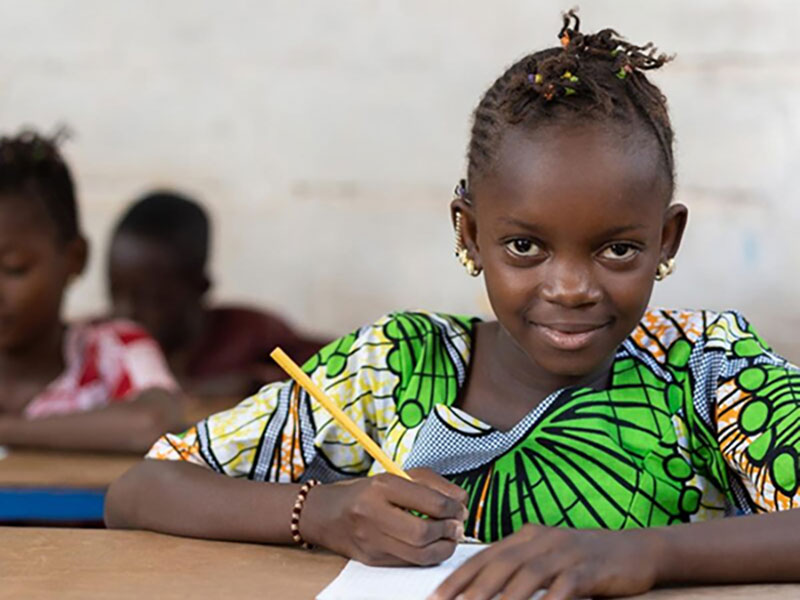
The Gender and Learning Evidence Fund has launched its first call for proposals to support implementation research that integrates gender and learning to improve long-term life outcomes.
For more information, visit https://www.brink-foundation.org/issues/gender-and-learning-evidence-fund
Premium Link: https://grants.fundsforngospremium.com/opportunity/op/call-for-proposals-gender-and-learning-evidence-fund
By:
Aaron Dorner
Tuesday, May 5, 2026
CULTURE AND SOCIETY
+2
No Preview Available
Leave a comment
Nominations open for Africa Sustainable Futures Awards
Donor: Financial Times Live
Grant Type: Awards, Prizes and Challenges
Grant Size: Not Available
Countries/Regions: Algeria, Angola, Benin, Botswana, Burkina Faso, Burundi, Cameroon, Cape Verde, Central African Republic, Chad, Comoros, Congo (Brazzaville), Congo DR, Cote DIvoire (Ivory Coast), Djibouti, Egypt, Equatorial Guinea, Eritrea, Ethiopia, Gabon, Gambia, Ghana, Guinea, Guinea-Bissau, Kenya, Lesotho, Liberia, Libya, Madagascar, Malawi, Mali, Mauritania, Mauritius, Mayotte, Morocco, Mozambique, Namibia, Niger, Nigeria, Reunion, Rwanda, Saint Helena, Sao Tome And Principe, Senegal, Seychelles, Sierra Leone, Somalia, South Africa, Sudan, Eswatini, Tanzania, Togo, Tunisia, Uganda, Western Sahara, Zambia, Zimbabwe, South Sudan
Area: Agriculture Food & Nutrition, Business & Industry, Infrastructure, Economic Development, Energy, Health care, Innovation, Logistics, Manufacturing, Technology, Tourism & Travel, Transportation, Water & Sanitation
The Africa Sustainable Futures Awards is offering to support innovative private sector-led solutions that address development challenges and promote sustainable economic growth across Africa.
For more information, visit https://africasustainablefuturesawards.live.ft.com/
Premium Link: https://grants.fundsforngospremium.com/opportunity/op/nominations-open-for-africa-sustainable-futures-awards
By:
Aaron Dorner
Tuesday, May 5, 2026
AGRI-FOOD SYSTEMS
+6
No Preview Available
Leave a comment
Apply Now: IMU-Simons Research Fellowship Program for Developing Countries
Donor: International Mathematical Union
Grant Type: Fellowship
Grant Size: $10,000 to $100,000
Countries/Regions: Afghanistan, Albania, Algeria, Angola, Argentina, Armenia, Azerbaijan, Bangladesh, Barbados, Belarus, Belize, Benin, Bhutan, Bolivia, Bosnia And Herzegovina, Botswana, Brazil, Bulgaria, Burkina Faso, Burundi, Cambodia, Cameroon, Cape Verde, Central African Republic, Chad, Chile, China, Colombia, Comoros, Congo (Brazzaville), Congo DR, Costa Rica, Cote DIvoire (Ivory Coast), Cuba, Djibouti, Dominica, Dominican Republic, Ecuador, Egypt, El Salvador, Equatorial Guinea, Eritrea, Ethiopia, Fiji, Gabon, Gambia, Georgia, Ghana, Grenada, Guatemala, Guinea, Guinea-Bissau, Guyana, Haiti, Honduras, India, Indonesia, Iran, Iraq, Jamaica, Jordan, Kazakhstan, Kenya, Kiribati, North Korea, Kyrgyzstan, Laos, Lebanon, Lesotho, Liberia, Libya, Macedonia, Madagascar, Malawi, Malaysia, Maldives, Mali, Marshall Islands, Mauritania, Mauritius, Mexico, Micronesia Federated States Of, Moldova Republic Of, Mongolia, Morocco, Mozambique, Myanmar, Namibia, Nauru, Nepal, Nicaragua, Niger, Nigeria, Pakistan, Palau, Palestinian Territories, Panama, Papua New Guinea, Paraguay, Peru, Philippines, Russia, Rwanda, Saint Lucia, Saint Vincent And The Grenadines, Samoa, Sao Tome And Principe, Senegal, Sierra Leone, Solomon Islands, Somalia, South Africa, Sri Lanka, Sudan, Suriname, Eswatini, Syria, Tajikistan, Tanzania, Thailand, East Timor (Timor-Leste), Togo, Tonga, Trinidad And Tobago, Tunisia, Turkey, Turkmenistan, Tuvalu, Uganda, Ukraine, Uruguay, Uzbekistan, Vanuatu, Venezuela, Vietnam, Yemen, Zambia, Zimbabwe, Montenegro, Serbia, Kosovo, South Sudan
Area: Research
The International Mathematical Union (IMU) invites applications for the IMU-Simons Research Fellowship to support mathematicians from developing countries in undertaking research visits abroad.
For more information, visit https://www.mathunion.org/cdc/grants/SRF
Premium Link: https://grants.fundsforngospremium.com/opportunity/op/apply-now-imusimons-research-fellowship-program-for-developing-countries
By:
Aaron Dorner
Tuesday, May 5, 2026
CULTURE AND SOCIETY
+2
No Preview Available
Leave a comment
Applications Open: 3rd Cohort of the Education Changemakers Program
Donor: Trevor Noah Foundation
Grant Type: Events
Grant Size: Not Available
Countries/Regions: Burundi, Central African Republic, Congo (Brazzaville), Congo DR, Djibouti, Eritrea, Ethiopia, Kenya, Rwanda, Somalia, Sudan, Tanzania, Uganda, South Sudan
Area: Education, Individuals, Leaders, Innovation, Leadership, Youth & Adolescents
The Education Changemakers Program (ECM) is now accepting applications for its third cohort in East and Central Africa, inviting passionate young leaders working in education to apply for a transformative leadership development experience.
For more information, visit https://trevornoahfoundation.org/applications-now-open-for-the-3rd-cohort-of-the-education-changemakers-program-in-east-and-central-africa/
Premium Link: https://grants.fundsforngospremium.com/opportunity/op/applications-open-3rd-cohort-of-the-education-changemakers-program
By:
Aaron Dorner
Tuesday, May 5, 2026
YOUTH EMPOWERMENT
+1

No Preview Available
Leave a comment
CFPs: Integrated Research in Subglacial Hydrology
Donor: Arête Glacier Initiative
Grant Type: Grant
Grant Size: $100,000 to $500,000
Countries/Regions: Afghanistan, Aland Islands, Albania, Algeria, American Samoa, Andorra, Angola, Anguilla, Antarctica, Antigua and Barbuda, Argentina, Armenia, Aruba, Australia, Austria, Azerbaijan, Bahamas, Bahrain, Bangladesh, Barbados, Belarus, Belgium, Belize, Benin, Bermuda, Bhutan, Bolivia, Bosnia And Herzegovina, Botswana, Bouvet Island, Brazil, British Indian Ocean Territory, Brunei, Bulgaria, Burkina Faso, Burundi, Cambodia, Cameroon, Canada, Cape Verde, Cayman Islands, Central African Republic, Chad, Chile, China, Christmas Island, Cocos (Keeling) Islands, Colombia, Comoros, Congo (Brazzaville), Congo DR, Cook Islands, Costa Rica, Cote DIvoire (Ivory Coast), Croatia, Cyprus, Czech Republic, Denmark, Djibouti, Dominica, Dominican Republic, Ecuador, Egypt, El Salvador, Equatorial Guinea, Eritrea, Estonia, Ethiopia, Falkland Islands (Malvinas), Faroe Islands, Fiji, Finland, France, French Guiana, French Polynesia, French Southern Territories, Gabon, Gambia, Georgia, Germany, Ghana, Gibraltar, Greece, Greenland, Grenada, Guadeloupe, Guam, Guatemala, Guernsey, Guinea, Guinea-Bissau, Guyana, Haiti, Heard Island And Mcdonald Islands, Holy See (Vatican City State), Honduras, Hong Kong SAR, Hungary, Iceland, India, Indonesia, Iraq, Ireland, Isle Of Man, Israel, Italy, Jamaica, Japan, Jersey, Jordan, Kazakhstan, Kenya, Kiribati, South Korea, Kuwait, Kyrgyzstan, Laos, Latvia, Lebanon, Lesotho, Liberia, Libya, Liechtenstein, Lithuania, Luxembourg, Macau, Macedonia, Madagascar, Malawi, Malaysia, Maldives, Mali, Malta, Marshall Islands, Martinique, Mauritania, Mauritius, Mayotte, Mexico, Micronesia Federated States Of, Moldova Republic Of, Monaco, Mongolia, Montserrat, Morocco, Mozambique, Myanmar, Namibia, Nauru, Nepal, Netherlands, Netherlands Antilles, New Caledonia, New Zealand, Nicaragua, Niger, Nigeria, Niue, Norfolk Island, Northern Mariana Islands, Norway, Oman, Pakistan, Palau, Palestinian Territories, Panama, Papua New Guinea, Paraguay, Peru, Philippines, Pitcairn, Poland, Portugal, Puerto Rico, Qatar, Reunion, Romania, Rwanda, Saint Helena, Saint Kitts And Nevis, Saint Lucia, Saint Pierre And Miquelon, Saint Vincent And The Grenadines, Samoa, San Marino, Sao Tome And Principe, Saudi Arabia, Senegal, Seychelles, Sierra Leone, Singapore, Slovak Republic, Slovenia, Solomon Islands, Somalia, South Africa, South Georgia And The South Sandwich Islands, Spain, Sri Lanka, Sudan, Suriname, Svalbard And Jan Mayen, Eswatini, Sweden, Switzerland, Syria, Taiwan, Tajikistan, Tanzania, Thailand, East Timor (Timor-Leste), Togo, Tokelau, Tonga, Trinidad And Tobago, Tunisia, Turkey, Turkmenistan, Turks And Caicos Islands, Tuvalu, Uganda, Ukraine, United Arab Emirates, United Kingdom, United States, United States Minor Outlying Islands, Uruguay, Uzbekistan, Vanuatu, Vietnam, British Virgin Islands, United States Virgin Islands, Wallis And Futuna, Western Sahara, Yemen, Zambia, Zimbabwe, Montenegro, Saint Barthélemy, Serbia, Kosovo, South Sudan , Curaçao, Bonaire Sint Eustatius and Saba, Saint Martin (French Part), Sint Maarten (Dutch Part)
Area: Individuals, Research
The Arête Glacier Initiative is offering applications to support proposals that aim to bridge gaps between field observations, laboratory experiments, and numerical modeling in subglacial hydrology.
For more information, visit https://www.areteglaciers.org/subglacial-hydrology-rfp
Premium Link: https://grants.fundsforngospremium.com/opportunity/op/cfps-integrated-research-in-subglacial-hydrology
By:
Aaron Dorner
Tuesday, May 5, 2026
WATER, ENERGY, AND THE ENVIRONMENT
+2
No Preview Available
Leave a comment
Miller Center Accelerator Program for Social Enterprises
Donor: Miller Center
Grant Type: Training
Grant Size: Not Available
Countries/Regions: All Countries
Area: Business & Industry, Businesses, Companies and Enterprises, Leadership, Poverty Alleviation, Women & Gender
The Miller Center Accelerator Program is designed to support social enterprise leaders in scaling their mission-driven organizations through mentorship, structured guidance, and strategic business development support.
For more information, visit https://millercenterglobal.org/accelerator/
Premium Link: https://grants.fundsforngospremium.com/opportunity/op/miller-center-accelerator-program-for-social-enterprises
By:
Aaron Dorner
Tuesday, May 5, 2026
CULTURE AND SOCIETY
+1
No Preview Available
Leave a comment
Call for Special Projects for Social and Economic Impact (South Africa)
Donor: Services Sector Education and Training Authority
Grant Type: Grant
Grant Size: Not Available
Countries/Regions: South Africa
Area: Rural Development, Disability, Economic Development, Employment & Labor, Livelihood, Women & Gender, Youth & Adolescents
The Services Sector Education and Training Authority invites proposals for Special Projects that deliver measurable social and economic impact.
For more information, visit https://servicesseta.org.za/services-seta-special-projects-2026-27/
Premium Link: https://grants.fundsforngospremium.com/opportunity/op/call-for-special-projects-for-social-and-economic-impact-south-africa
By:
Aaron Dorner
Tuesday, May 5, 2026
AGRI-FOOD SYSTEMS
+3
No Preview Available
Leave a comment
Apply for Eco Ambassadors Solutions Lab Program
Donor: SDGs Today
Grant Type: Events
Grant Size: Not Available
Countries/Regions: All Countries
Area: Education, Learning, Leadership, Sustainable Development
The Eco Ambassadors Solutions Lab Program is a global virtual initiative designed to equip high school students with the knowledge and skills to address sustainability challenges through practical and collaborative learning.
For more information, visit https://sdgstoday.org/eco-ambassadors-program
Premium Link: https://grants.fundsforngospremium.com/opportunity/op/apply-for-eco-ambassadors-solutions-lab-program
By:
Aaron Dorner
Tuesday, May 5, 2026
AGRI-FOOD SYSTEMS
+3

No Preview Available

Leave a comment