

Browse
Education
No Preview Available
Journal of Festive Studies Issue 8 Call for Papers
In addition to our guest-edited section described below, we always welcome submissions on a rolling basis, with no deadline for consideration. Please do think of us if your research or professional background touches on festive practices!
You can also view this announcement as a PDF.
International borders affect you every day. They play a role in determining whether you are a birthright citizen or an unauthorized migrant. They showcase a nation’s ability or inability to guarantee your wellbeing. They factor into immigration, asylum, and national security debates. Media and political analysts often portray borders as places where pathos, illegality, and poverty thrive innately. Yet, they are also places where ordinary citizens make historical claims, or defend, criticize, and even parody immigration and security policy.
While many of those border enactments are rightly serious or even melancholy in tone, some recurring rituals like border festivals foreground whimsical or celebratory narratives. This issue seeks submissions that critically engage with border festivals—recurring ritual enactments performed at, across, or in close proximity to an international boundary line that foster cross-border communication, create opportunities for practical governance, or occasion the memorialization of shared histories. It also provides a platform for scholarly and creative submissions that critically engage how borders and boundaries can be invoked metaphorically through music, literature, performance art, and/or the built environment.
Situated at the crossroads of de-centering the state and embracing the everyday-ness of borders, geographer Chris Rumford’s appeal to “vernacularize” border studies using concepts such as “borderwork” and “seeing like a border” provides an excellent starting point for this invitation to take the study of festive borders and boundaries seriously. His concept of “borderwork” emphasizes “bottom-up” activity and specifically the everyday meaning-making labor, or the bordering practices, of citizens and non-citizens (Rumford 2006, 2008, and 2013). “Seeing like a border” is premised on the idea that borders should be understood as the business of everyone, not just the business of the state. While considerations of state practices are still (and should remain) vital to the study of border festivals, it is safe to say that dominant, static, top-down approaches are incomplete.
Reflecting on anthropological theories that link festive practices to “expected” moments of life transitions (Van Gennep 1960; Turner 1987), David Picard draws attention to the ways in which festivals can also play a role in mediating unanticipated crises such as “the shock of migration” and “environmental disaster”—two global challenges that shape the contemporary study of borders. Indeed, existing studies of border festivals, traditions, commemorations, and enactments elaborate this point on a much larger scale. Methodologically diverse and ranging from festival traditions in the Senegambia and the trans-Volta (Ghana/Togo) that emphasize the “centrality of the margins” (Nugent 2019), to the meticulously choreographed Wagah ceremony that transpires at the India/Pakistan border (Menon 2013), to cultural performances that delineate the Kashmir conflict (Aggarwal 2004), to the long-standing celebration of George Washington’s Birthday on both sides of the U.S.-Mexico border (Peña 2020), to the religiously-inflected and festive revival of historical social groupings between China, Mongolia, and Russia (Billé and Humphrey 2021)—they have underlined how a range of actors make national and ethnic affiliation identity claims public, stage historical memory, recover from natural disasters, and even shape practical governance through stylized acts of crossing and gathering.
Moreover, borders may also be critically invoked in the design and production of “borderless” or “borderlands” celebrations (e.g., No Border Fest, Borderland Music Festival). What stands out across these theorizations (and what makes them the key to study of border festivals) is their inbuilt foundation in performance theory and especially performativity. This special issue invites us to think creatively about the idea that borders are always in the making both at and beyond international boundary lines. In both contexts, they are actualized festively through embodiment and stylized rituals that ffect change in the social world. As the first of its kind, this issue aims to create a generative space for the future study of border festivals. We are looking for a variety of submissions ranging from previously unpublished methodological reflections, artist statements, illustrations, documentaries and interactive media to research reports and evidence-based papers that engage festive border commemorations of any kind.
Some possible themes for exploration include:
conceptualizing borders and boundaries as festive
intangible heritage and cultural memory across borderlands
organization, logistics, and finance
cross-border cooperation and practical governance
global challenges: climate change, mass displacement, public health
participation, reception, conflict, and political efficacy
festive landscapes and built environments
embodiment, choreography, and evolving repertoires
pleasure through collaboration
In line with the interdisciplinary nature of the Journal of Festive Studies, we welcome submissions of original research and analysis rooted in a variety of fields including (but not limited to): social and cultural history, anthropology, archaeology, cultural geography, architecture, technology, musicology, museum studies, literary studies and performance studies. In addition to traditional academic essays, we invite short essays and creative contributions that incorporate digital media such as timelines and maps, photographic essays, digital exhibitions, interactive media, documentaries, illustrations, creative audio, and interviews that engage with festivity.
We invite you to submit an abstract and short bio by January 15, 2025. The submission deadline for completed article manuscripts is August 1, 2025. Please make sure to consult the journal submission guidelines.
If you have any further questions, please contact Elaine A. Peña at penae@wustl.edu.
H-Net: Humanities and Social Sciences Online, the publisher of the Journal of Festive Studies, is committed to open access. All H-Net content, including journals, monographs, and reviews, are freely available to both authors and readers. There are no charges to submit or publish in the Journal of Festive Studies.
Read more

By: Jayden Hewitt
Due Date: Aug, 1, 2025
Education
Leave a comment
No Preview Available
CFP: Africana Annual: A Journal of African and African Diaspora Studies [Announcement]
Africana Annual: A Journal of African and African Diaspora Studies
The Department of African & African American Studies at the University of Kansas and the Africana Annual and to invite the submission of full-length original articles and review essays. Africana Annual is a broadly conceived annual interdisciplinary peer-reviewed journal that provides an avenue for critical dialogues and analysis of the African, African American, and African Diasporic experiences.
Aims and Scope
Africana Annual is an interdisciplinary journal encompassing history, politics, sociology, performance arts, economics, literature, cultural studies, anthropology, Africana studies, gender studies, ethnic studies, religious studies, the fine arts, digital humanities, and other allied disciplines, Africana Annual embraces a variety of humanistic and social scientific methodologies for understanding the social, political, and cultural meanings and functions of the varied experiences of Africana.
Submissions to Africana Annual must reflect the intellectual and political connections between Africa and the African Diaspora and to serve as a critical space for scholarly explorations of their shared historical and contemporary realities. We invite authors to submit work that examines key issues deepen inter-disciplinary and global conversations on topics about African America, Africa (north and south of the Sahara), and the Diaspora.
Submission Policies
Submissions to Africana Annual must be original, unpublished work not submitted for publication elsewhere while under review by Africana Annual editors. The journal encourages authors to submit unsolicited articles and comprehensive review essays. All academic articles should be between 20 and 30 pages. Comprehensive review essays should be about 10 to 15 pages in length.
Please include an abstract of 150–200 words that clearly states the main arguments of your article. The abstract should contain 3-5 keywords, along with a biographical statement of 50–75 words with full contact information and e-mail address. to accompany your submission.
Authors should submit their manuscripts using the journal system. Please contact the editors at africana@ku.edu if there are any questions. All manuscripts must follow the current edition of the Chicago Manual of Style and should use endnotes. All submissions must be in 12 point Times New Roman, double spaced, with 1″margins. Again, please note that we only accept manuscripts in Word format. All manuscripts accepted are subject to editorial modification.
Peer Review
All research articles in Africana Annual undergo rigorous peer review. After an initial editor screening, submissions will be based on anonymous double-blind refereeing by two referees.
The deadline for submission is August 31, 2024
Read more
By: Jayden Hewitt
Due Date: Aug, 31, 2024
Education
Leave a comment
No Preview Available
IRELAND: SFI Sustainable Development Challenge (Over €1,000,000 Grant) 2025
Grant size: 1 million Euros
Donor: The Science Foundation Ireland
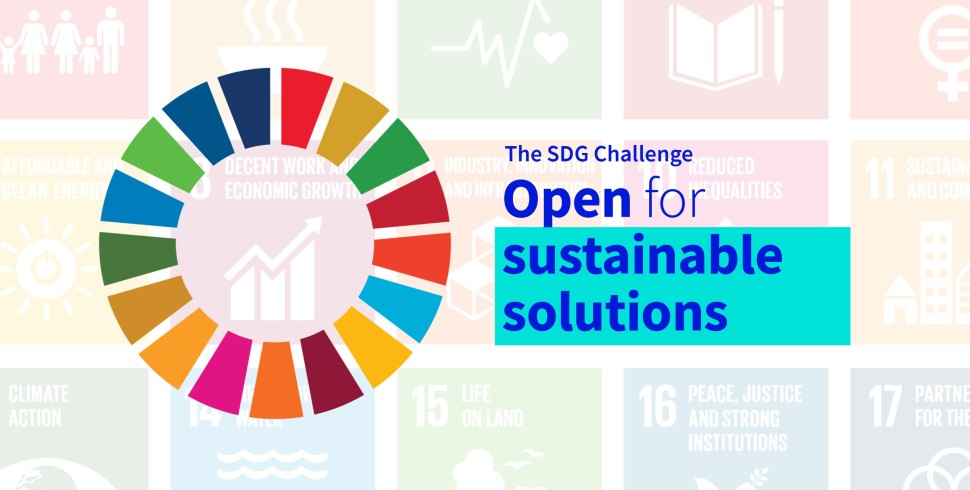
The SDG Challenge seeks to support diverse, transdisciplinary teams to develop transformative, sustainable solutions that will contribute to addressing development challenges under the UN SDGs in countries where Irish Aid works.
SFI and Irish Aid are seeking solutions that contribute to SDG 2: Zero Hunger, “End hunger, achieve food security and improved nutrition and promote sustainable agriculture”.
The SDG Challenge supports highly motivated, transdisciplinary teams developing transformative, sustainable solutions for UN SDGs in Irish Aid’s partner countries. Furthermore, interested applicants should take note of the following criteria:
Teams must be transdisciplinary and focused on developing sustainable solutions for UN SDGs in Irish Aid’s partner countries.
Teams should combine technical and non-technical skills and represent collaborative partnerships between researchers in Ireland and the partner country.
Expertise in a STEM research area is necessary ,along with knowledge or experience in complementary fields like international development, economics, or behavioral science.
Two academic researchers must be in the core team, with at least one from a relevant STEM discipline.
Funding should reflect the contributions of all team members.
https://www.afterschoolafrica.com/87048/science-foundation-ireland-sfi-2024-sustainable-development-challenge-over-e1000000-grant/
Read more
By: Tony Milanzi
Due Date: Oct, 8, 2024
Agri-food systems
+5
Leave a comment
No Preview Available
AREF Research Development Fellowship Programme (Africa)
Deadline: 4th October 2024
Grant size: Fellowship
Donor: AREF Research Development
The Africa Research Excellence Fund is pleased to launch the call for the 2024/25 AREF Research Development Fellowship Programme.
Programme Overview
Aim. To support researchers in Africa who are emerging leaders and working on important challenges for human health, to develop their skills as a researcher.
What we offer. A three to nine-month placement at a leading research institution in the UK, Europe or Africa, with additional support at your home institution before and after the placement. Up to £47,000 available
Who is eligible? Early career researchers. These are research active post-doctoral scientists and clinicians with higher qualifications who are nationals of and employed in Africa (see detailed eligibility criteria).
How to apply. Read the guidance documents carefully before developing your proposal and starting your application. Complete the application form via the portal at https://programmes.aref-africa.org.uk/
https://africaresearchexcellencefund.org.uk/funding-calls/open-funding-research-development-fellowship-2024-25/
Read more
By: Tony Milanzi
Due Date: Oct, 4, 2024
Culture and society
+4
Leave a comment
No Preview Available
Research-Practice Partnership Grants Program
Grant Size: $100,000 to $500,000
Donor: Spencer Foundation
The Spencer Foundation is pleased to announce the Research-Practice Partnership Grants Program to support education research projects that engage in collaborative and participatory partnerships. They view partnerships as an important approach to knowledge generation and the improvement of education, broadly construed. Rigorous partnership work is intentionally organized to engage diverse forms of expertise and perspectives, across practitioners, scholars, and organizations, as well as disciplines and methods, in knowledge generation around pressing problems of practice and/or policy. This grant program is open to existing partnerships between researchers and a broad array of practitioners. For example, practitioners might work in school districts, county offices of education, state educational organizations, universities, community-based organizations, and other social sectors that significantly impact learners’ lives.
https://www.spencer.org/grant_types/research-practice-partnerships
Read more
By: Tony Milanzi
Due Date: Sep, 13, 2024
Agri-food systems
+4
Leave a comment
No Preview Available
CFAs: FRIAS Early Career Fellowships Programme
Grant Size: Fellowship
The Freiburg Institute for Advanced Studies (FRIAS) is inviting applications for its Early Career Fellowships Programme to support academic exchange across existing boundaries between disciplines, between different cultures and countries, between established and younger researchers.
https://www.frias.uni-freiburg.de/en/news/call-for-applications/frias-early-career-fellowship-programme
Read more
By: Tony Milanzi
Due Date: Sep, 13, 2024
Culture and society
+1
Leave a comment
No Preview Available
FRIAS Sustainable Governance Senior Fellowships for Researchers
Grant Size: Fellowship
Donor: Freiburg Institute for Advanced Studies (FRIAS)
The Freiburg Institute for Advanced Studies (FRIAS) is seeking applications for the Sustainable Governance Senior Fellowships to support innovative research projects through individual and group fellowships.
The Freiburg Institute for Advanced Studies (FRIAS) is the University of Freiburg’s international research college. The Institute supports academic exchange across existing boundaries between disciplines, between different cultures and countries, between established and younger researchers.
FRIAS provides modern office spaces and an up-to-date infrastructure and makes every effort to provide tailor-made solutions with regard to suitable accommodation, child care and educational facilities.
https://www.frias.uni-freiburg.de/en/news/call-for-applications/frias-sustainable-governance-senior-fellowship-from-africa
Read more
By: Tony Milanzi
Due Date: Sep, 13, 2024
Culture and society
+1
Leave a comment
No Preview Available
CFAs: Carnegie African Diaspora Fellowship Program
Grant size: less than $1000
Donor: Institute of International Education (IIE)
The Institute of International Education's Carnegie African Diaspora Fellowship Program (CADFP) is a scholar fellowship program for educational projects at African higher education institutions.
The program is funded by a grant from Carnegie Corporation of New York (CCNY). A total of 705 African Diaspora Fellowships have been awarded for scholars to travel to Africa since the program’s inception in 2013. CADFP exemplifies CCNY’s enduring commitment to higher education in Africa. IIE manages and administers the program, including applications, project requests and fellowships.
https://www.iie.org/programs/carnegie-african-diaspora-fellowship-program/
Read more
By: Tony Milanzi
Due Date: Sep, 18, 2024
Culture and society
+1
Leave a comment
The Carnegie African Diaspora Fellowship Program (CADFP)
Now accepting Project Requests and Scholar Applications for theCarnegie African Diaspora Fellowship Program (CADFP)DEADLINE: September 18, 2024 at 11:59 PM ET
We are pleased to announce that the Carnegie African Diaspora Fellowship Program (CADFP) is accepting Project Requests from African host universities and Scholar Applications from qualified African academics in the diaspora in the United States and Canada.What is the CADFP?The CADFP is a scholar exchange program for African higher education institutions to host a diaspora scholar for 14-90 days for projects in curriculum co-development, collaborative research and graduate student teaching and mentoring. How do I apply?The CADFP is a two-sided application: a project request submitted by the African institution and a scholar application submitted by the diaspora scholar. Links and information about the African host institution project request, scholar application, types of fellowships, review guidelines, and FAQs are posted on the program website.Who is eligible?
Universities in Ghana, Kenya, Nigeria, South Africa, Tanzania, Uganda, member institutions of the African Research Universities Alliance (ARUA) and partner universities with the Consortium for Advanced Research Training in Africa (CARTA) can submit a project request to host a diaspora scholar. Potential host institutions can apply with a diaspora scholar in mind or request a match from IIE.
Diaspora scholars born in Africa, who live in the United States or Canada and work at an accredited college or university in either country, can apply online to be placed on a roster of candidates for a fellowship. Scholars must hold a terminal degree in their field and may hold any academic rank.
The lifetime maximum for CADFP Fellowships is two (2).
Interested parties are invited to register for one of our informational webinars:
Project Request Application Walk Through, Thursday July 18, 2024, 9:00 AM Eastern / 1:00 PM GMT / 4:00 PM EAT
Scholar Application Walk Through, Tuesday July 23, 2024, 2:00 PM Eastern
Webinars will be recorded and posted on YouTube.Watch our recent recordings discussing best practices for applying for the CADFP.
Project Request Best Practice Webinar
Diaspora Scholar Application Best Practices
TimelineThe deadline for Project Requests and Scholar Applications for diaspora scholars is September 18, 2024 at 11:59 pm ET. Selection decisions will be made late November; project visits can begin as early as January 6, 2025 and must be completed by November 30, 2025.Learn MoreVisit iie.org/AfricanDiaspora for more information about how to apply, program benefits, and details about previously funded Fellows and Projects.
Read more
By: Jayden Hewitt
Due Date: Sep, 18, 2024
Education
Leave a comment
African Futures Cohort 5 - Call for Scholars
The Alliance for African Partnership (AAP) is seeking applicants for the fifth cohort of the AAP African Futures Research Leadership Program. This competitive visiting scholar program supports early career researchers from the AAP consortium to work for one year under the mentorship of faculty members from MSU and their home institution, focusing on building skills in research for impact, writing scholarly and/or policy publications, disseminating of research results, and developing grant proposals for external support. Scholars will also participate in a structured professional development program while building bridges and lasting connections with MSU contacts and across their cohort.
The main objective of the African Futures program is to strengthen the capacity of a cadre of African researchers to return to their home institutions and become scientific leaders in their community, establish long-term partnerships with MSU faculty, co-create innovative solutions to Africa’s challenges, and in turn become trainers of the next generation of researchers. This program aims to address the gender gap in Africa, where only 30% of researchers are women, so scholars selected for the program will be women, or men who can demonstrate they are committed to support efforts towards gender equity in higher education institutions in Africa. The research areas that the scholars will engage in during the program should be aligned to AAP's research priority areas.
The AAP Management Team requests applications from early career researchers to participate in the next cohort, with work to begin virtually in February 2025. Scholars will spend September – December 2025 at MSU for the in-person portion of the program, followed by another period of virtual collaboration, ending in early 2026. The scholar and mentor team will receive a small grant for research and professional development activities including conference attendance and publication. Scholars will also receive a stipend during their time at MSU, visa application support, and round-trip travel from their home institution.
Potential Research Areas
Selected scholars will work in one of AAP’s seven priority areas:
Agri-food systems
Water, Energy, and Environment
Culture and Society
Youth Empowerment
Education
Health and Nutrition
Science, Technology, and Innovation
Selected scholars will be paired with an MSU mentor and commit to working with the MSU mentor and the home institution mentor for the duration of the program.
Program Benefits
Professional development activities – AAP will offer structured professional development workshops centered on topics such as building equitable partnerships, academic time management, proposal development and budgeting, research communication, etc. to establish professional trajectories, to build research, writing, and publishing skills, and to support scholars to move through various stages of review, promotion, and growth.
Leadership activities – this will center on a research leadership retreat to expose scholars to the key competencies of research leaders, the work that research leaders engage in, personal reflection on their characteristics and career goals to help determine the pathway to advancement to research leadership.
Collaboration networks – the early career researcher will be co-mentored by an MSU faculty member and a faculty member from their home institution. Mentors will have the opportunity to visit their counterpart for one week during the duration of the program. The scholar will also gain access to AAP’s broad network of researchers at MSU, across Africa, and beyond. Proposed activities should ultimately lead to potential long-term collaborations between MSU and the partner institution.
Expected Outcomes
Each scholar and mentors are expected to produce the following outputs, at minimum, by the end of the program:
Submission or evidence of publication of one to three joint manuscripts
At least one grant proposal application
At least one conference presentation
Collaborations with mentors are meant to be long-term and continue after the end of the program. Scholars are encouraged to network with MSU faculty beyond their mentor while at MSU. Scholars are expected to submit regular progress reports to AAP and their home institution focal point. Failure to meet program and mentor expectations can result in early dismissal.
Eligibility
Citizen of an African country
Completion of a PhD degree within the last 10 years
Employed as an Academic Staff member at one of the AAP African consortium universities including Egerton University, Makerere University, University of Dar es Salaam, Lilongwe University of Agriculture and Natural Resources, University of Botswana, University of Nigeria, Nsukka, University Cheikh Anta Diop, University of Arts and Humanities, Bamako, United States International University-Africa, and University of Pretoria
Have documented approval of leave or sabbatical to participate in the program for the in-person period
Have a mentor at their home institution that will serve as a collaborator and mentor
Research must be in one of the AAP priority areas
Applicants may only submit one proposal to AAP in this round of funding. Prior scholars are not eligible to apply.
Application Requirements
Applicants should provide the following documents as part of their application package:
An up-to-date curriculum vitae (CV) that provides a chronological review of their professional accomplishments
A letter of interest that demonstrates how their research interest and experience is aligned to the AAP research priority area and how they plan to implement long-term sustainable partnership (1 pages)
(for male applicants) include how they have supported efforts towards gender equity in higher education institutions in Africa
Names of potential mentors at MSU (applicants should browse relevant MSU department’s website to identify up to three faculty that are aligned with their research interests. Applicants should not contact MSU faculty directly - AAP will reach out on the applicant’s behalf)
Two publications in refereed journals related to their research area
Two professional references that detail the relationship to the applicant and provide specific examples of their assessment of the expertise of the applicant’s research area
A letter from the mentor at their home institution indicating willingness to serve as a collaborator during the program, travel to MSU for one week of collaboration discussions, and mentor the early career researcher when they return to their home institution (1 page)
A written endorsement from the applicants’ Head of Department approving leave (1 page)
A letter of support from the AAP Focal Point for the scholar’s application (1 page)
Selection Criteria:
Professional merit, scientific ability, potential career impact and future collaboration goals with MSU faculty (based on CV, letter of interest, publications, Head of dept and home mentor letters, and two reference letters)
Assurance and availability of resources from the home institution for a designated, funded position for the early career researcher upon completion of their fellowship (expressed in letter from head of Dept at the home institution)
Commitment to return to their home country following completion of training (expressed in a letter of interest)
The selection committee will ensure the best match of outstanding candidates and MSU mentors
Additional selection factors may include diversity in scientific research areas and geographic origin
Applications are due on August 18, 2024
Apply: https://msu.co1.qualtrics.com/jfe/form/SV_a60s40TOPXGO5sq
Additional program dates:
Program start date (virtual): February 2025
In-person program: Sept - Dec 2025
Program end date: February 2026
Questions
Please contact José Jackson-Malete at jacks184@msu.edu or +1 517-884-8587 with any questions.
Read more

By: Justin Rabineau
Due Date: Aug, 18, 2024
Agri-food systems
+6
Leave a comment
No Preview Available
Associate or Full Professor of International History and Politics
The Graduate Institute of International and Development StudiesGeneva, Switzerland
invites applications for a full-time position at the rank of
ASSOCIATE OR FULL PROFESSOR of INTERNATIONAL HISTORY AND POLITICS with a specialisation in European History – “Europe and the World”
starting on 1 September 2025 or on a mutually agreed-upon date.
The Graduate Institute of International and Development Studies is seeking to recruit an Associate or Full Professor of International History and Politics for the Pierre du Bois Chair “Europe and the World”. Candidates must hold a Ph.D. in history. They must have an outstanding teaching and research track record and be able to make a significant long-term contribution in the field “Europe and the World”.
The selected candidate will be appointed as the Pierre Du Bois Chair. They must show an openness to comparative analyses and an interest to innovate from a methodological point of view. We prioritise candidates whose expertise is linked to Europe’s historical relationships and interactions with the rest of the world. We are particularly interested in candidates who work on1) the history of European imperialisms, empires and colonialism2) aspects of transnational history connecting Europe and other parts of the world (including but not restricted to the circulation of ideas and the impact of migratory flows)3) the impact and interaction of developments in Europe (broadly understood) with global security
The successful candidate will teach postgraduate courses and supervise master’s theses and doctoral dissertations in the Department of International History and Politics. They will also be called upon to teach classes and supervise master’s theses in the Graduate Institute’s Interdisciplinary Programme. The ability to work with colleagues from the other disciplines researched and taught at the Institute – International Economics, International Relations & Political Science, Anthropology & Sociology, and International Law – is expected.
The teaching language is either English or French. Prior knowledge of French is not required, but the successful candidate is expected to acquire at least a passive knowledge of it within two years of being hired.
Candidates are required to submit a motivation letter, a CV and a list of publications. Long-listed candidates will be asked for additional documents, including three reference letters.
Application deadline: 12 August 2024
To apply: https://erecruit.graduateinstitute.ch/professeurs/
Please note that applications received by post will not be considered.
For more information, candidates are encouraged to consult the Institute’s website, as well as the site of the Department of International History and Politics:https://www.graduateinstitute.ch/https://www.graduateinstitute.ch/international-history-politics
The Institute is an equal opportunity employer and value diversity. We do not discriminate on the basis of age, marital status, disability status, race, national origin, colour, gender, sexual orientation or religion.
Contact:
https://erecruit.graduateinstitute.ch/professeurs/
Website:
https://erecruit.graduateinstitute.ch/professeurs/
Primary Category:
European History / Studies
Secondary Categories:
World History / Studies
Posting Date:
06/11/2024
Closing Date
08/11/2024
Read more
By: Jayden Hewitt
Due Date: Aug, 11, 2024
Education
Leave a comment
No Preview Available
University of Pennsylvania, Wolf Humanities Center Mellon Postdoctoral Fellowship in the Humanities
The Wolf Humanities Center awards five (5) one-year Andrew W. Mellon Postdoctoral Fellowships each academic year to scholars in the humanities who are no more than five years out of their doctorate. Preference will be given to candidates not yet in tenure track positions whose proposals are interdisciplinary, who have not previously enjoyed use of the resources of the University of Pennsylvania, and who would particularly benefit from and contribute to Penn's intellectual life. The programs of the Wolf Humanities Center are conceived through yearly topics that invite broad interdisciplinary collaboration. For the 2025–2026 academic year, our topic will be Truth.
During their appointment, Wolf Humanities Center's Postdoctoral Fellows are required to teach one course rostered in one or more of the humanities departments or programs in Penn's College of Arts & Sciences (not the Wolf Humanities Center) and must participate in the Center's weekly Mellon Research Seminar (Tuesdays, 12:00–1:30). Fellows also collaborate on the planning of a public symposium on the Center's annual topic, participate in professional development workshops, and are appointed a faculty mentor.
The 2025–2026 Fellowship appointment is twelve months (July 1, 2025—June 30, 2026) and carries a minimum stipend of $66,300, a $3000 research fund, and discounted health insurance.
The PhD (and its international equivalent, such as the DPhil) is the only eligible terminal degree, and applicants must be humanists or those in such allied fields as anthropology or history of science. Ineligible categories include an MFA or any other doctorate such as EdD, social scientists, scholars in educational curriculum building, and performing artists (note: scholars of performance are eligible).
Scholars who received or will receive their PhD (or DPhil) between May 2020 and September 2025 are eligible to apply.
Scholars who received or will receive their PhD from the University of Pennsylvania during our noted window of eligibility are welcome to apply.
The fellowship is open to all scholars, national and international, who meet eligibility requirements. International scholars outside of North America are appointed under a J-1 visa (Research Scholar status). The Wolf Humanities Center reserves the right to revoke the offer if the recipient is unable to meet this condition.
Upon receiving the award, finalists who have not received their PhD must provide a letter from their department confirming that they have completed, or will complete, all requirements (i.e. dissertation defense) by June 30, 2025. A finalist’s failure to meet this deadline will result in the offer being withdrawn.
Fellows are required to be in residence for the term of the fellowship.
Contact:
Sara Varney, Associate Director, Wolf Humanities Center
Website:
https://wolfhumanities.upenn.edu/postdoc
Primary Category:
Humanities
Secondary Categories:
Ancient HistoryArt / Art HistoryClassical StudiesHistory of Science, Medicine, and TechnologyLanguagesLiteratureMusic and Music HistoryPhilosophyReligious Studies and TheologyWomen, Gender, and SexualityWorld History / StudiesComparative Literature
Posting Date:
06/10/2024
Closing Date
11/03/2024
Read more
By: Jayden Hewitt
Due Date: Nov, 3, 2024
Education

Leave a comment